
A family member tells the nurse, "I overheard a caregiver threaten my uncle." The family member said the caregiver remarked, "If you don't learn to calm down, I will have to restrain you." Based on this information, which criminal offense does the nurse communicate to the nurse manager?
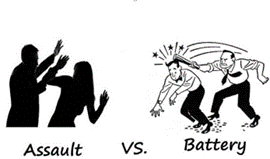
Assault
Battery
Malpractice
Negligence
The Correct Answer is A
Assault is an intentional act that causes another person to be in fear of immediate harm ¹. In this case, the caregiver's threat to restrain the uncle if he doesn't calm down can be considered an assault because it puts the uncle in fear of immediate harm.
The battery is defined as an intentional offensive or harmful touching of another person that is done without his or her consent ³. Malpractice refers to professional negligence by a healthcare provider that causes injury or harm to a patient. Negligence refers to a failure to exercise reasonable care that results in harm to another person. In this scenario, there is no evidence of batery, malpractice, or negligence.
Nursing Test Bank
Naxlex Comprehensive Predictor Exams
Related Questions
Correct Answer is ["A","C","F"]
Explanation
An increase in blood pressure (BP) from 112/68 mm Hg to 122/80 mm Hg indicates an improvement in hemodynamic status, as it shows that the client's blood vessels are constricting to maintain BP and tissue perfusion. f) An increase in urine output from 18 mL/hour to 45 mL/hour indicates an improvement in renal function and fluid balance, which is important for maintaining hemodynamic stability. c) An increase in serum potassium level from 5 mEq/L (5 mmol/L) to 5.4 mEq/L (5.4 mmol/L) indicates an improvement in electrolyte balance, which is important for maintaining proper cardiac function and hemodynamic stability.
Option b) Serum sodium decreased from 146 mEq/L (146 mmol/L) to 138 mEq/L (138 mmol/L) is not a finding that indicates improvement in hemodynamic status. Hyponatremia or low serum sodium levels can cause fluid shifts in the body leading to altered mental status, seizures, and cerebral edema, among other complications. However, the given information does not suggest that the client has hyponatremia or that their hyponatremia has improved.
Option d) Urine output averaging 18 mL/hour is not an improvement, and it may indicate renal insufficiency or failure, which can lead to fluid overload and hemodynamic instability.
Option e) Bowel sounds in all four quadrants indicate normal bowel motility, which is important for proper digestion and absorption of nutrients but does not directly indicate an improvement in hemodynamic status.

Correct Answer is D
Explanation
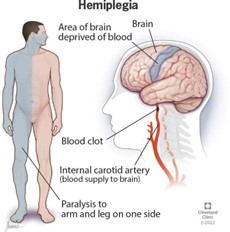
This is because the client has right-sided paralysis and will not be able to bear weight on their right leg. By standing on their left leg and pivoting to the chair, the client can safely transfer from the bed to the wheelchair with the assistance of the nurse.
Whether you are a student looking to ace your exams or a practicing nurse seeking to enhance your expertise , our nursing education contents will empower you with the confidence and competence to make a difference in the lives of patients and become a respected leader in the healthcare field.
Visit Naxlex, invest in your future and unlock endless possibilities with our unparalleled nursing education contents today