
A hormone that the adrenal medulla secretes is:
Mineralocorticoid.
Epinephrine.
Glucocorticoid.
Aldosterone.
The Correct Answer is B
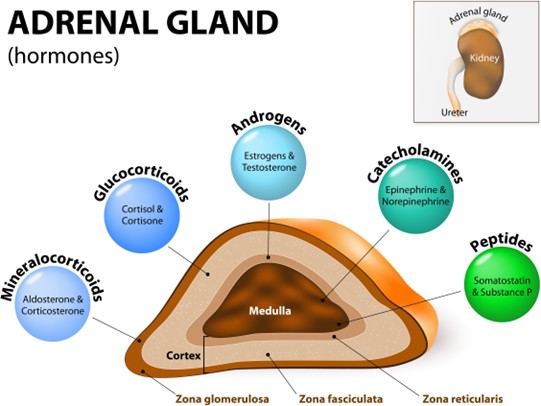
Epinephrine, also known as adrenaline, is a hormone that the adrenal medulla secretes in response to stress or low blood sugar levels.
It helps the body react to stress by increasing blood pressure, heart rate, oxygen delivery to muscles, and blood sugar levels.
Choice A is wrong because mineralocorticoids are hormones that the adrenal cortex secretes, not the adrenal medulla.
They help regulate the balance of sodium and potassium in the body.
Choice C is wrong because glucocorticoids are also hormones that the adrenal cortex secretes, not the adrenal medulla.
They help control the body’s use of fats, proteins, and carbohydrates, suppress inflammation, and regulate blood pressure and blood sugar.
Choice D is wrong because aldosterone is a specific type of mineralocorticoid that the adrenal cortex secretes, not the adrenal medulla.
It helps regulate the balance of sodium and water in the body.
Nursing Test Bank
Naxlex Comprehensive Predictor Exams
Related Questions
Correct Answer is B
Explanation
Veins are the type of blood vessel that holds the greatest volume of blood and serve as reservoirs for blood.
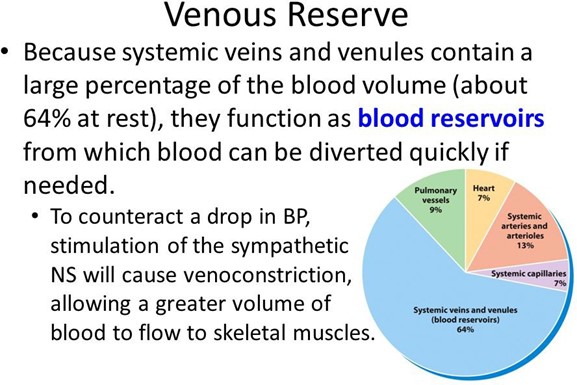
According to 1, veins contain about 70-80% of the blood volume in circulation.
Veins are also called capacitance vessels because they can expand and store more blood when needed.
Choice A. Capillary is wrong because capillaries are very thin and narrow vessels that allow the exchange of gases and nutrients between the blood and the tissues.
Capillaries have a very small volume compared to veins.
Choice C. Arteriole is wrong because arterioles are small branches of arteries that regulate blood pressure and blood flow to the capillaries.
Arterioles have a higher resistance and lower volume than veins.
Choice D. Artery is wrong because arteries are thick and muscular vessels that carry oxygen-rich blood away from the heart to the rest of the body.
Arteries have a higher pressure and lower volume than veins.
Normal ranges for blood volume vary depending on age, sex, weight, and health status, but generally range from 4 to 6 liters for adults.
Correct Answer is A
Explanation
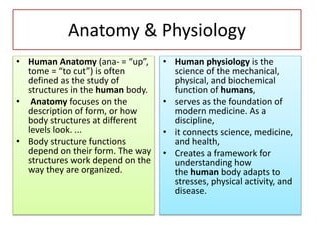
This is because anatomy and physiology are closely related branches of biology that study the structure and function of living organisms respectively.
Anatomy describes the shape, size, location, and relationships of body parts, while physiology explains how those parts work together to maintain life.
For example, the anatomy of the heart determines how it pumps blood, and the anatomy of the lungs determines how they exchange gases.
Choice B is wrong because our understanding of both anatomy and physiology is constantly changing as new discoveries are made in the field of biology.
Choice C is wrong because body parts take up space regardless of their physiological functions.
Choice D is wrong because physiological functions are not limited to an organism, but can also occur at the cellular, tissue, organ, and system levels.
Whether you are a student looking to ace your exams or a practicing nurse seeking to enhance your expertise , our nursing education contents will empower you with the confidence and competence to make a difference in the lives of patients and become a respected leader in the healthcare field.
Visit Naxlex, invest in your future and unlock endless possibilities with our unparalleled nursing education contents today