
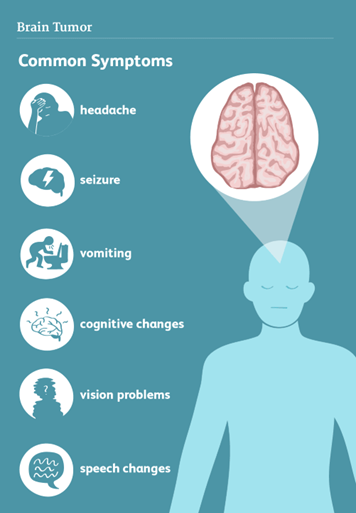
A male client with a brain tumor is scheduled for a biopsy in the morning. During the admission procedure, the client has a tonic-clonic seizure that lasts 50 seconds. Following the seizure, the client is lethargic and confused and his wife tells the nurse that her husband has never had a seizure before and has always been alert and communicative. Which action should the nurse take?
Notify the emergency response team of the client's seizure.
Keep orienting the client to time and place until he is less confused.
Explain the postictal state that usually follows seizures.
Ask the wife to wait outside the room until the nurse can talk with her.
The Correct Answer is B
Choice A: Notifying the emergency response team of the client's seizure is not a necessary action for the nurse, as the seizure has already stopped and there is no immediate threat to the client's life. This is a distractor choice.
Choice B: Keeping orienting the client to time and place until he is less confused is an appropriate action for the nurse, as this can help restore the client's cognitive function and reduce his anxiety after a seizure. Therefore, this is the correct choice.
Choice C: Explaining the postictal state that usually follows seizures is not a priority action for the nurse, as this can be done later when the client is more alert and receptive. This is another distractor choice.
Choice D: Asking the wife to wait outside the room until the nurse can talk with her is not a considerate action for the nurse, as this can increase her stress and worry about her husband's condition. This is a contraindicated choice.
Nursing Test Bank
Naxlex Comprehensive Predictor Exams
Related Questions
Correct Answer is C
Explanation
Choice A: Blood alcohol level of 0.09% (90 mmol/L) is not the most important finding for the nurse to report, as this is within the reference range and does not indicate alcohol intoxication or withdrawal, which can affect the client's mental status and mood stability. This is a distractor choice.
Choice B: Six hours of sleep in the past three days is not the most important finding for the nurse to report, as this is a common symptom of bipolar disorder during manic episodes and does not require immediate intervention by the health care provider. This is another distractor choice.
Choice C: Serum lithium level of 1.6 mEq/L (1.6 mmol/L) is the most important finding for the nurse to report, as this indicates lithium toxicity, which can cause neurological and renal impairment and potentially fatal complications such as seizures, coma, and cardiac dysrhythmias. Therefore, this is the correct choice.
Choice D: Weight loss of 10 pounds (4.5 kg) in past month is not the most important finding for the nurse to report, as this may be related to decreased appetite or increased activity during manic episodes and does not pose an immediate threat to the client's health or safety. This is another distractor choice.
Correct Answer is A
Explanation
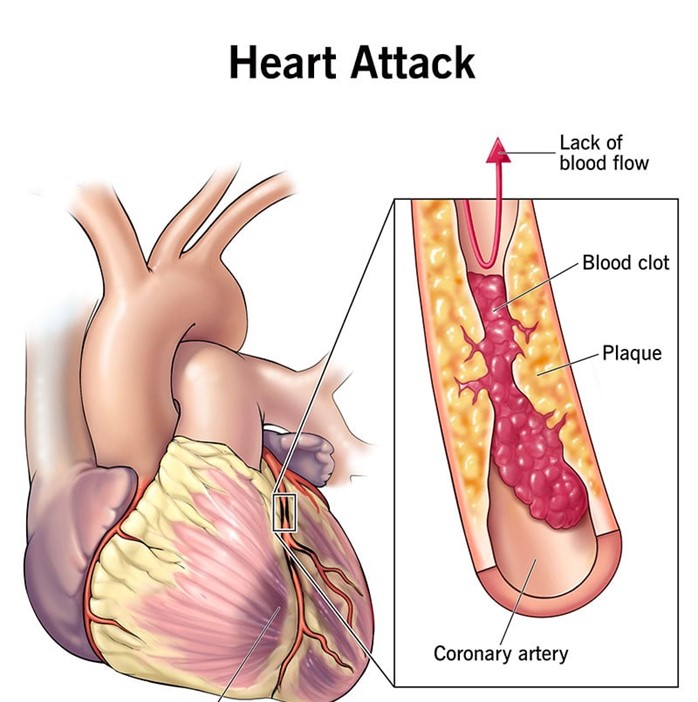
Choice B reason: Emotional conflict due to stress is not a specific problem for a client who had an MI 24 hours ago and wants to go home despite his condition. Emotional conflict is a state of having mixed or contradictory feelings about something or someone, such as family, work, or self. Stress is a response to any physical, psychological, or environmental demand that exceeds one's coping resources. The nurse should assess the client's sources of stress and conflict and help him manage them.
Choice C reason: Deficient knowledge of MI lifestyle changes is not a primary problem for a client who had an MI 24 hours ago and wants to go home despite his condition. Deficient knowledge is a state of lacking information or understanding about something, such as disease process, treatment options, or self-care measures. Lifestyle changes are modifications in one's habits or behaviors that promote health and well-being, such as diet, exercise, smoking cessation, or stress management. The nurse should assess the client's learning needs and readiness and provide appropriate education.
Choice D reason: Anxiety related to treatment plan is not an evident problem for a client who had an MI 24 hours ago and wants to go home despite his condition. Anxiety is a feeling of apprehension, worry, or fear that interferes with one's normal functioning or well-being. Treatment plan is a set of goals, interventions, and outcomes that guide the care of a client with a specific health problem, such as MI. The nurse should assess the client's level of anxiety and provide information and reassurance about his treatment plan.
Whether you are a student looking to ace your exams or a practicing nurse seeking to enhance your expertise , our nursing education contents will empower you with the confidence and competence to make a difference in the lives of patients and become a respected leader in the healthcare field.
Visit Naxlex, invest in your future and unlock endless possibilities with our unparalleled nursing education contents today