
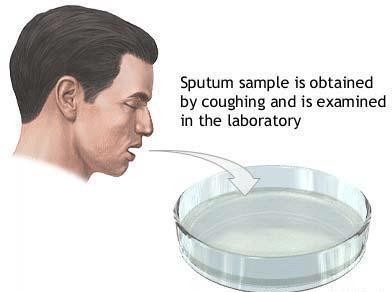
A newly hired unlicensed assistive personnel (UAP) expresses fear to the charge nurse about collecting a sputum specimen from a client who is HIV positive. Which action should the charge nurse take first?
Demonstrate the proper use of personal protective equipment.
Offer to assist the UAP with the collection of the specimen.
Provide the UAP with the infection control policy.
Determine the UAP's knowledge about HIV transmission.
The Correct Answer is D
Choice A reason: Demonstrating the proper use of personal protective equipment is important, but not the first action. The charge nurse should first assess the UAP's level of understanding and address any misconceptions or fears about HIV transmission.
Choice B reason: Offering to assist the UAP with the collection of the specimen may be helpful, but not the first action. The charge nurse should first educate the UAP about HIV transmission and infection control measures, and then evaluate the UAP's competence and confidence in performing the task.
Choice C reason: Providing the UAP with the infection control policy is relevant, but not the first action. The charge nurse should first explain the rationale and principles of infection control to the UAP, and then refer to the policy as a guideline and resource.
Choice D reason: Determining the UAP's knowledge about HIV transmission is the first and most appropriate action for the charge nurse to take, as it will help identify any gaps or misinformation that may cause fear or anxiety in the UAP. The charge nurse should then provide accurate and evidence-based information about HIV transmission, prevention, and treatment, and answer any questions or concerns that the UAP may have.
Nursing Test Bank
Naxlex Comprehensive Predictor Exams
Related Questions
Correct Answer is D
Explanation
Choice A Reason: Choosing to send another nurse who is more receptive is not a good option, as it may create
resentment and conflict among the staff. The older nurse may feel discriminated against or excluded, and the other nurse may feel burdened or pressured. The nurse manager should try to engage and motivate the older nurse to attend the in-service session, as it is important for her professional development and patient safety.
Choice B Reason: Asking the nurse why she thinks there is no need for an in-service program about these emergencies may sound confrontational or accusatory and may put the nurse on the defensive. The nurse manager should avoid making assumptions or judgments about the nurse's attitude or beliefs, and instead try to understand her perspective and address any barriers or misconceptions.
Choice C Reason: Informing the older nurse that inservice is not optional and her scheduled attendance is mandatory may be true, but it may also sound authoritarian or coercive, and may undermine the nurse's autonomy or dignity. The nurse-manager should avoid using threats or ultimatums, and instead try to explain the rationale and benefits of the inservice session, and solicit the nurse's input or feedback.
Choice D Reason: Encouraging the nurse to share her concerns and discuss ways to prepare for such emergencies is the best option, as it shows respect and empathy for the nurse, and fosters a collaborative and supportive
relationship. The nurse-manager should use active listening and open-ended questions, and provide relevant information and resources to help the nurse overcome her fears or doubts, and enhance her confidence and competence.
Correct Answer is B
Explanation
Choice A Reason: This is not the best action because it is a medication error that can be corrected and prevented by following the rights of medication administration. The nurse manager should counsel the staff nurse and provide education on safe medication practices.
Choice B Reason: This is the best action because it is a serious breach of professional ethics and standards. The nurse manager should report the staff nurse to the PRC for falsifying documentation and compromising client care.
Choice C Reason: This is not the best action because it is a mistake that can be rectified by removing the diet tray and notifying the healthcare provider. The nurse manager should reprimand the staff nurse and review the policy on NPO status.
Choice D Reason: This is not the best action because it is a minor issue that can be resolved by communicating with the charge nurse and other staff members. The nurse manager should remind the staff nurse of the importance of teamwork and collaboration.
Whether you are a student looking to ace your exams or a practicing nurse seeking to enhance your expertise , our nursing education contents will empower you with the confidence and competence to make a difference in the lives of patients and become a respected leader in the healthcare field.
Visit Naxlex, invest in your future and unlock endless possibilities with our unparalleled nursing education contents today