
A nurse in a provider's office is caring for a client who has total vision loss and is the handler of a service dog.
Which of the following actions should the nurse take to show consideration for the client and the service animal?
Pet the dog briefly to demonstrate acceptance.
Consult the client before approaching the dog.
Offer the dog a bowl of water to demonstrate caring.
Command the dog to sit while talking with the client.
The Correct Answer is B
The nurse should consult the client before approaching the dog.
Service dogs are working animals and it is important to respect their role and the handler’s wishes.
Choice A is wrong because petting the dog briefly to demonstrate acceptance could distract the dog from its duties.
Choice C is wrong because offering the dog a bowl of water without consulting the client first could interfere with the dog’s training or schedule.
Choice D is wrong because commanding the dog to sit while talking with the client could confuse the dog and disrupt its training.
Nursing Test Bank
Naxlex Comprehensive Predictor Exams
Related Questions
Correct Answer is B
Explanation
The glycosylated hemoglobin level (also known as HbA1c or A1C) is a laboratory test that reflects average levels of blood glucose over the previous two to three months.
It is the most widely used test to monitor chronic glycemic management.
Choice A is not the answer because fasting blood glucose level reflects only short-term glycemic control.
Choice C is not the answer because oral glucose tolerance test results reflect only short-term glycemic control.
Choice D is not the answer because postprandial blood glucose level reflects only short-term glycemic control.
Correct Answer is A
Explanation
The nurse should ensure that the client is discharged with antithrombotic pharmacologic therapy.
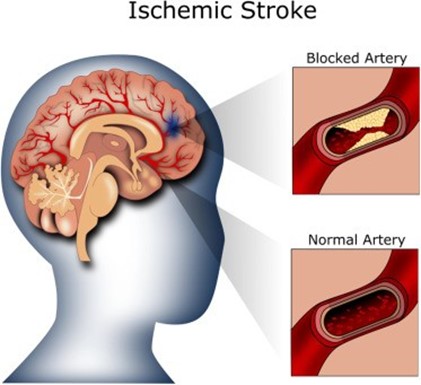
Antithrombotic medications help prevent blood clots from forming and can reduce the risk of another ischemic stroke.
Choice B is wrong because diuretics are used to treat fluid retention and high blood pressure and are not typically used for stroke prevention.
Choice C is wrong because anticonvulsants are used to prevent seizures and are not typically used for stroke prevention.
Choice D is wrong because opioid analgesics are used to treat pain and are not typically used for stroke prevention.
Whether you are a student looking to ace your exams or a practicing nurse seeking to enhance your expertise , our nursing education contents will empower you with the confidence and competence to make a difference in the lives of patients and become a respected leader in the healthcare field.
Visit Naxlex, invest in your future and unlock endless possibilities with our unparalleled nursing education contents today