
A nurse in a provider's office is reinforcing teaching about skin care with a client who has a new diagnosis of systemic lupus erythematosus. Which of the following statements by the client indicates an understanding of the teaching?
"I will use an astringent on my face."
"I will cleanse my skin using an antibacterial soap."
"I will dry my skin by patting it with a towel."
"I will limit my time in the tanning bed to 15 minutes."
The Correct Answer is C
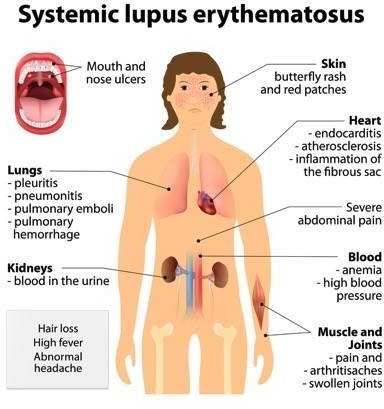
Systemic lupus erythematosus (SLE) is an autoimmune disease that can affect the skin. Proper skin care is important for individuals with SLE to minimize potential flare-ups or exacerbation of skin symptoms. The recommended approach to skin care in SLE includes gentle cleansing and moisturizing.
"I will use an astringent on my face." Astringents are typically not recommended for individuals with SLE as they can be harsh on the skin and may cause irritation or dryness.
"I will cleanse my skin using an antibacterial soap." While it is important to keep the skin clean, using an antibacterial soap is not specifically required for individuals with SLE. Gentle,
Non-irritating cleansers without antibacterial properties are generally recommended.
"I will limit my time in the tanning bed to 15 minutes." Exposure to ultraviolet (UV) radiation, such as from tanning beds, can be particularly harmful to individuals with SLE. UV radiation can trigger or worsen skin manifestations and may lead to disease flares. Therefore, it is generally advised for individuals with SLE to avoid tanning beds altogether.
In addition to gentle cleansing and moisturizing, individuals with SLE should also practice sun protection, including wearing sunscreen with a high sun protection factor (SPF) and using protective clothing and accessories (such as hats and sunglasses) when exposed to the sun. Regular check-ups with a healthcare provider and following their recommendations are important for managing SLE and its associated skin manifestations.
Nursing Test Bank
Naxlex Comprehensive Predictor Exams
Related Questions
Correct Answer is ["B","C"]
Explanation
The client received the prescribed antibiotic every 8 hours: This is important information as it relates to the client's medication administration and treatment plan. It allows the incoming nurse to be aware of the medication schedule and ensure continuity of care.
The client reports pain is reduced when positioned on his side: This is significant information as it informs the incoming nurse about the client's preferred position for pain management. It helps guide the nurse in providing comfort measures and appropriate positioning for the client.
The client's mother died 4 years ago from breast cancer: This information may not be considered vital for the change-of-shift report unless it directly impacts the client's current condition or ongoing care.
While it's important to document visitors and support persons, this information may not be considered crucial for the change-of-shift report unless it directly impacts the client's care or well-being.
In summary, the nurse should include information that is pertinent to the client's immediate care needs and current condition. This includes medication administration, pain management preferences, changes in condition, or any relevant information that may impact the client's care plan.
Correct Answer is ["C","D","F","H"]
Explanation
a. Heart rate: The heart rate of 98/min is within normal limits and does not indicate an immediate need for further evaluation based solely on this value.
b.The blood pressure of 112/88 mmHg is within normal limits and does not indicate an immediate need for further evaluation based solely on this value.
c.The client has a temperature of 38.1°C (100.5°F), which is indicative of a fever. Fever, especially when associated with other symptoms such as cough, fatigue, night sweats, and weight loss, suggests a systemic infection or inflammatory process requiring further investigation.
d.The client reports a cough that is often productive and blood-tinged sputum. Respiratory complaints with blood-tinged sputum can indicate potential serious conditions such as pneumonia, tuberculosis, or other respiratory infections that require prompt evaluation and treatment.
e.The pulse oximetry reading of 98% on room air is normal and does not indicate an immediate need for further evaluation based solely on this value.
f.The client reports a recent weight loss of 2.26 kg (5 lb) over the past week, along with decreased appetite. Unintentional weight loss, especially when associated with other symptoms like fever and cough, raises concerns about underlying systemic illness or malignancy that requires further investigation.
g.Blood in sputum can have various causes and needs investigation.
h.Recent travel can increase exposure to different illnesses, so it's relevant and needs further evaluation.
Whether you are a student looking to ace your exams or a practicing nurse seeking to enhance your expertise , our nursing education contents will empower you with the confidence and competence to make a difference in the lives of patients and become a respected leader in the healthcare field.
Visit Naxlex, invest in your future and unlock endless possibilities with our unparalleled nursing education contents today