
A nurse on a medical surgical unit is caring for a group of clients. Which of the following clients should the nurse see first?
A client who is scheduled for surgery in 2 hr
A client whose blood pressure is 160/90 mm Hg and reports a headache
A client who is postoperative and reports intermittent nausea
A client who is postoperative and has a Jackson Pratt drain
The Correct Answer is B
A. Incorrect. While a client scheduled for surgery is important, addressing the client with elevated blood pressure and a headache takes priority.
B. Correct. The client with elevated blood pressure and a headache requires immediate assessment, as these symptoms could indicate a hypertensive crisis or other serious complications.
C. Incorrect. While addressing postoperative nausea is important, the client with elevated blood pressure and headache requires more immediate attention.
D. Incorrect. A client with a Jackson Pratt drain may need care and assessment, but a client with elevated blood pressure and a headache has a more urgent need for evaluation.
Nursing Test Bank
Naxlex Comprehensive Predictor Exams
Related Questions
Correct Answer is C
Explanation
A. Incorrect. Countertransference refers to the nurse's emotional reaction to the client based on the nurse's personal feelings or past experiences.
B. Incorrect. Boundary crossing refers to the nurse's actions that blur the professional boundaries of the nurse-client relationship, and this action does not necessarily represent boundary-crossing.
C. Correct. The nurse's action of interrupting the bath to obtain a healthy meal for the client demonstrates an immediate response to the client's need and promotes trust and rapport between the nurse and the client.
D. Incorrect. Veracity refers to truthfulness and honesty, but it does not directly apply to the nurse obtaining a meal for the client who is hungry.
Correct Answer is C
Explanation
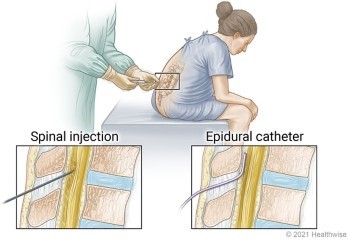
Restlessness can be a common manifestation of pain. When a client is experiencing unrelieved pain, they may exhibit restlessness, which can include fidgeting, pacing, or frequent position changes in an attempt to find relief. Restlessness may also be accompanied by increased heart rate, elevated blood pressure, and changes in respiratory rate.
Difficulty swallowing (dysphagia) is not a specific indicator of unrelieved pain in a client with a spinal epidural for a herniated disc. Difficulty swallowing can be caused by various factors, including anatomical abnormalities, neurological conditions, or muscle dysfunction.
Constipation is not a specific indicator of unrelieved pain in this scenario. Constipation can be a side effect of certain medications, including opioids that are commonly used to manage pain.
However, it is not an exclusive indicator of unrelieved pain and can be managed through interventions such as adequate hydration, fiber intake, and appropriate bowel regimen.
Urinary retention is not a specific indicator of unrelieved pain in this context. It can be associated with several factors, including the use of certain medications, urinary tract infections, or neurological conditions. Urinary retention may require assessment and management but does not necessarily indicate unrelieved pain.
Whether you are a student looking to ace your exams or a practicing nurse seeking to enhance your expertise , our nursing education contents will empower you with the confidence and competence to make a difference in the lives of patients and become a respected leader in the healthcare field.
Visit Naxlex, invest in your future and unlock endless possibilities with our unparalleled nursing education contents today