
A nurse in the emergency departments is caring for a toddler
Complete the following sentence by using the list of options.
The nurse should first
The Correct Answer is {"dropdown-group-1":"A","dropdown-group-2":"B"}
Options 1:
A. Keeping the child NPO is crucial to prevent further ingestion or aspiration of the battery, which could lead to serious complications.
B. Teaching the child's parents the importance of inspecting the child's play area is important for future prevention but is not the immediate priority in this acute situation.
C. Obtaining an informed consent is not the priority in this scenario. It should be done after keeping the child NPO.
Options 2:
A. Encouraging parents to inspect toys for easily removable parts is important for prevention but is not the immediate priority when dealing with a child who has already ingested a foreign object.
B. Preparing the child for flexible endoscopy is the second action to visualize and safely remove the battery from the esophagus.
C. Waiting for return of the gag reflex without taking immediate action could delay potentially life-saving interventions.
Nursing Test Bank
Naxlex Comprehensive Predictor Exams
Related Questions
Correct Answer is B
Explanation
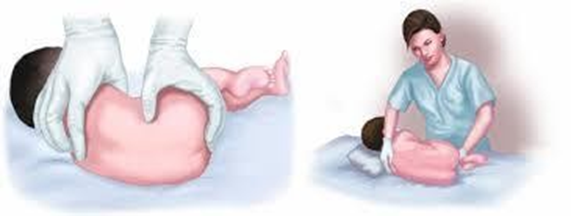
A. Placing the child prone (face-down) is not appropriate for a lumbar puncture as it would make access to the lumbar spine difficult.
B. Placing the child in a lateral position (lying on their side with knees drawn up towards the chest) allows for proper positioning of the spine for the lumbar puncture procedure.
C. Placing the child supine (lying on their back) is not appropriate for a lumbar puncture as it does not provide the necessary spinal alignment for the procedure.
D. Placing the child in a semi-Fowler's position (with the head of the bed elevated at a 45-degree angle) is not appropriate for a lumbar puncture as it does not facilitate access to the lumbar spine.
Correct Answer is C
Explanation
A. Allowing the infant to self-soothe by crying prior to feeding is not appropriate, as it may lead to increased stress and fatigue, which can worsen heart failure symptoms.
B. Placing the infant in an upright position during feeding helps to reduce the risk of aspiration and promotes effective swallowing.
C. Infants with heart failure have a weakened heart that struggles to pump blood efficiently. Feeding can be tiring for them, and they might not be able to consume large volumes at once. A smaller, more frequent feeding schedule allows them to take in enough calories without overexertion. This approach helps manage their energy expenditure and reduces stress on the heart.
D. While some infants might take longer to feed, heart failure can make feeding tiring. Offering smaller, more frequent feedings can help the infant consume enough calories without expending too much energy.
Whether you are a student looking to ace your exams or a practicing nurse seeking to enhance your expertise , our nursing education contents will empower you with the confidence and competence to make a difference in the lives of patients and become a respected leader in the healthcare field.
Visit Naxlex, invest in your future and unlock endless possibilities with our unparalleled nursing education contents today