
A nurse is admitting a client who is 1 week postpartum and reports excessive vaginal bleeding. The nurse speaks a different language than the client. The client's partner and 10- year-old child are accompanying her. Which of the following actions should the nurse take to gather the client's admission data?
Have the client's child translate.
Allow the client's partner to translate.
Request a female interpreter through the facility.
Ask a nursing student who speaks the same language as the client to translate.
The Correct Answer is C
A. Using a child as an interpreter can be inappropriate and may not ensure accurate communication, especially for sensitive topics such as medical history and symptoms.
B. While involving the client's partner may seem helpful, it may not ensure accurate translation, and the partner may not be proficient in medical terminology.
C. Requesting a female interpreter through the facility ensures accurate and confidential communication while respecting the client's cultural preferences and privacy.
D. While asking a nursing student who speaks the same language as the client may seem convenient, it may not ensure accurate translation, and the student may not have the necessary training in medical interpretation.
Nursing Test Bank
Naxlex Comprehensive Predictor Exams
Related Questions
Correct Answer is A
Explanation
A. Uneven shoulder and pelvic heights are classic signs of scoliosis, visible during a physical examination where one shoulder or hip may appear higher than the other.
B. Mild pain in the hip region is not a specific indicator of scoliosis.
C. Exaggerated curvature of the sacrum is not a specific indicator of scoliosis.
D. Limited range-of-motion of the hips is not a specific indicator of scoliosis
Correct Answer is {"dropdown-group-1":"C","dropdown-group-2":"C"}
Explanation
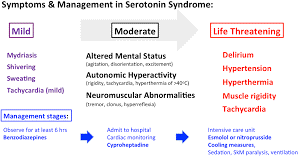
Serotonin syndrome is a serious drug reaction that results from having too much serotonin in the body. Serotonin is a chemical that plays a role in mood, sleep, appetite and other functions. Some medications, especially antidepressants, can increase serotonin levels and cause serotonin syndrome. The client is taking paroxetine, which is a type of antidepressant called a selective serotonin reuptake inhibitor (SSRI). SSRIs work by blocking the reabsorption of serotonin in the brain, making more serotonin available.
Paroxetine can cause serotonin syndrome if taken at high doses, in combination with
other serotonergic drugs, or if abruptly stopped. The client’s symptoms of restlessness, abdominal pain, disorientation and fever are consistent with serotonin syndrome. Other possible symptoms include agitation, confusion, rapid heart rate, high blood pressure, dilated pupils, muscle twitching, rigidity, sweating and shivering. Severe serotonin syndrome can lead to seizures, coma and death. The client should stop taking paroxetine and seek immediate medical attention. Serotonin syndrome can be treated with supportive care and medications that reduce serotonin levels or block its effects. The client may need to switch to a different antidepressant or adjust the dosage under the guidance of their provider.
Whether you are a student looking to ace your exams or a practicing nurse seeking to enhance your expertise , our nursing education contents will empower you with the confidence and competence to make a difference in the lives of patients and become a respected leader in the healthcare field.
Visit Naxlex, invest in your future and unlock endless possibilities with our unparalleled nursing education contents today