
A nurse is assessing a newborn who is 10 hr old. Which of the following findings should the nurse report to the provider?
Axillary temperature 36.5°C (97.7°F).
Nasal flaring.
Heart rate 158/min.
One void since birth.
The Correct Answer is B
Choice A rationale:
An axillary temperature of 36.5°C (97.7°F) is within the normal range for a newborn. Normal axillary temperature for a newborn is typically between 36.5°C to 37.5°C (97.7°F to 99.5°F).
Choice B rationale:
This is the correct choice. Nasal flaring in a newborn is a concerning sign and may indicate respiratory distress. It suggests that the baby is having difficulty breathing and should be reported to the provider for further evaluation.
Choice C rationale:
A heart rate of 158/min is within the normal range for a newborn. The normal heart rate for a newborn can range from 100 to 160 beats per minute.
Choice D rationale:
Having one void since birth is not a concerning finding for a 10-hour-old newborn. In the early hours of life, the frequency of voids may vary, but the baby should have an increasing number of wet diapers in the following days.
Nursing Test Bank
Naxlex Comprehensive Predictor Exams
Related Questions
Correct Answer is C
Explanation
Choice A rationale:
Raloxifene is not used to treat migraines. It is a selective estrogen receptor modulator (SERM) that primarily acts on bone tissues, estrogen receptors, and has anti-estrogenic effects in the breast, which may reduce the risk of breast cancer.
Choice B rationale:
Raloxifene is not used to treat hypertension (high blood pressure) It is primarily indicated for the prevention and treatment of osteoporosis in postmenopausal women.
Choice C rationale:
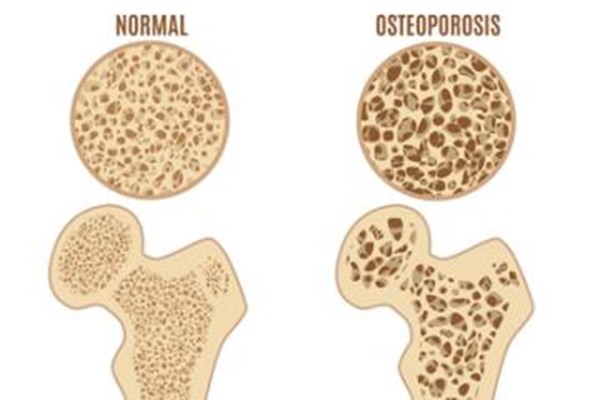
This is the correct choice. Raloxifene is indicated for the treatment and prevention of osteoporosis in postmenopausal women. It helps increase bone density and reduces the risk of fractures associated with osteoporosis.
Choice D rationale:
Raloxifene is not used to treat heart disease. While it may have some cardiovascular benefits due to its effects on cholesterol levels, it is not a primary medication for heart disease management.
Correct Answer is D
Explanation
Choice A rationale:
The clinical finding of 0 station does not provide information about the fetal head's position in the left occiput posterior position. Station refers to the level of the presenting part in relation to the ischial spines, not the position.
Choice B rationale:
The clinical finding of 0 station does not indicate that the largest fetal diameter has passed through the pelvic outlet. The station only tells us the level of the presenting part and does not provide information about the diameter passing through the pelvic outlet.
Choice C rationale:
The clinical finding of 0 station does not directly involve the palpability of the posterior fontanel. Station is determined based on the level of the presenting part in the birth canal.
Choice D rationale:
This is the correct interpretation of the clinical finding. 0 station means that the presenting part (usually the baby's head) is at the level of the ischial spines, which serves as a reference point during labor. As labor progresses and the baby moves further down the birth canal, the station becomes more negative (e.g., -1, -2) until delivery occurs.
Whether you are a student looking to ace your exams or a practicing nurse seeking to enhance your expertise , our nursing education contents will empower you with the confidence and competence to make a difference in the lives of patients and become a respected leader in the healthcare field.
Visit Naxlex, invest in your future and unlock endless possibilities with our unparalleled nursing education contents today