
A nurse is assessing for correct placement of a client's NG feeding tube prior to administering a bolus feeding. Which of the following actions should the nurse take?
Insert air in the tube and listen for gurgling sounds in the epigastric area.
Aspirate contents from the tube and verify the pH level.
Review the medical record for previous x-ray verification of placement.
Auscultate the lungs for adventitious breath sounds.
The Correct Answer is B
A. This is an incorrect action. Inserting air in the tube and listening for gurgling sounds in the epigastric area is not a reliable method to confirm NG tube placement, as it can produce false-positive results due to air entering the stomach or intestines.
B. This is a correct action. Aspirating contents from the tube and verifying the pH level is a valid method to confirm NG tube placement, as gastric contents typically have a pH of less than 5.5, while intestinal or respiratory contents have a higher pH.
C. This is an incorrect action. Reviewing the medical record for previous x-ray verification of placement is not sufficient to confirm NG tube placement, as the tube can migrate or become dislodged after insertion. X-ray verification should be done initially and whenever there is doubt about the tube's position.
D. This is an incorrect action. Auscultating the lungs for adventitious breath sounds is not a specific method to confirm NG tube placement, as it can indicate other conditions such as pneumonia or pulmonary edema. It can also miss signs of respiratory complications due to NG tube misplacement, such as pneumothorax or bronchial obstruction.
Nursing Test Bank
Naxlex Comprehensive Predictor Exams
Related Questions
Correct Answer is A
Explanation
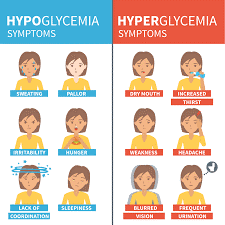
A. Irritability: Correct. Irritability is one of the signs of hypoglycemia, which occurs when blood glucose levels fall below 70 mg/dL (3.9 mmol/L). Other signs include shakiness, sweating, hunger, headache, confusion, and blurred vision.
B. Increased urination: Incorrect. Increased urination is one of the signs of hyperglycemia, which occurs when blood glucose levels rise above 180 mg/dL (10 mmol/L). Other signs include thirst, dry mouth, fatigue, nausea, and fruity breath odor.
C. Vomiting: Incorrect. Vomiting is not a specific sign of hypoglycemia or hyperglycemia, but it can occur as a complication of either condition if left untreated or poorly managed.
D.Facial flushing: Incorrect. Facial flushing is not a sign of hypoglycemia or hyperglycemia, but it can occur as a side effect of some medications used to treat diabetes, such as niacin or rosiglitazone.
Correct Answer is B
Explanation
A. Elevate the right leg above heart level. This is contraindicated for the adolescent because elevating the leg above heart level can increase blood pressure in the injured area and worsen bleeding and swelling.
B. Prepare the adolescent for surgery. This is anticipated for the adolescent because they have an open fracture with bone displacement, which requires surgical intervention to reduce the risk of infection and complications.
C. Remove the splint. This is contraindicated for the adolescent because removing the splint can cause further damage to the bone and soft tissues and increase pain and bleeding.
D. Apply ice to the affected extremity. This is contraindicated for the adolescent because applying ice can decrease blood flow to the injured area and impair healing and sensation.
Whether you are a student looking to ace your exams or a practicing nurse seeking to enhance your expertise , our nursing education contents will empower you with the confidence and competence to make a difference in the lives of patients and become a respected leader in the healthcare field.
Visit Naxlex, invest in your future and unlock endless possibilities with our unparalleled nursing education contents today