
The nurse is continuing to care for the adolescent.
Provider Prescriptions
1415:
X-ray of right leg shows open fracture of the right proximal tibia
Surgery consult
Morphine 4 mg IV every 2 hr as needed for pain.
The nurse is preparing the adolescent for the fasciotomy. Which of the following findings should the nurse report to the provider prior to surgery?
The adolescent's parents have concerns regarding the surgery.
The adolescent's blood pressure is 131/89 mm Hg.
The adolescent reports severe pain.
The adolescent has not voided in 4 hr.
The Correct Answer is A
A. Addressing parental concerns is crucial, especially for informed consent. If the parents are not comfortable or have unresolved questions, it could delay or prevent the surgery from proceeding.
B. While this blood pressure is slightly elevated, it is not an immediate concern that would typically prevent surgery.
C. Although severe pain is important to manage, it may not require immediate reporting unless it is unmanageable or indicates a serious problem.
D. While the lack of voiding in an immobile patient is a concern and could indicate urinary retention, it is not necessarily a finding that would prevent surgery.
Nursing Test Bank
Naxlex Comprehensive Predictor Exams
Related Questions
Correct Answer is B
Explanation
Choice A reason:
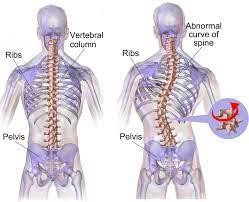
Mild pain in the hip region can be caused by various musculoskeletal issues, such as muscle strains, bursitis, or even referred pain from other areas. It is not a characteristic symptom of scoliosis.
Choice B reason
Scoliosis is characterized by an abnormal sideways curvature of the spine, which can cause uneven shoulders and pelvic heights. As the spine curves abnormally, it can lead to asymmetry in the shoulders and hips, which are noticeable during physical examination. This asymmetry is a key clinical sign that suggests the presence of scoliosis.
Choice C reason:
Limited range of motion (ROM) of the hips is more likely related to hip joint issues or musculoskeletal conditions affecting the hips, not specifically scoliosis.
Choice D reason:
Exaggerated curvature of the sacrum may indicate other spinal abnormalities or conditions affecting the lower back, but it is not typically associated with scoliosis, which primarily affects the curvature of the spine higher up in the thoracic or lumbar regions.
Correct Answer is C
Explanation
Choice A reason:
Arching should not be expected. Arching of the body is not a typical manifestation of bacterial pneumonia. It may be seen in infants with certain conditions such as abdominal pain or neurologic issues, but it is not specific to pneumonia.
Choice B reason:
Drooling should not be expected. Drooling is not a common manifestation of bacterial pneumonia. It may be seen in certain conditions affecting the throat or mouth, but it is not directly related to pneumonia.
Choice C reason:
Fever is the correct answer. Bacterial pneumonia is an infection in the lungs caused by bacteria. When a child has bacterial pneumonia, their body's immune system responds to the infection, leading to inflammation and fever.
Choice D reason:
Steatorrhea should not be expected. Steatorrhea refers to fatty, bulky, and foul-smelling stools and is not associated with bacterial pneumonia. Steatorrhea may be seen in conditions affecting the gastrointestinal system and fat absorption.
Choice E reason:
Tinnitus should not be expected. Tinnitus is the perception of noise or ringing in the ears and is not a typical manifestation of bacterial pneumonia. Tinnitus can be associated with various ear-related conditions or medication side effects, but it is not directly related to pneumonia.
Whether you are a student looking to ace your exams or a practicing nurse seeking to enhance your expertise , our nursing education contents will empower you with the confidence and competence to make a difference in the lives of patients and become a respected leader in the healthcare field.
Visit Naxlex, invest in your future and unlock endless possibilities with our unparalleled nursing education contents today