
A nurse is caring for a child who is suspected of having Legg-Calve-Perthes disease.
The nurse should prepare the child for which of the following diagnostic procedures?
Bone biopsy.
Radiographs.
MRI.
Genetic testing.
The Correct Answer is B
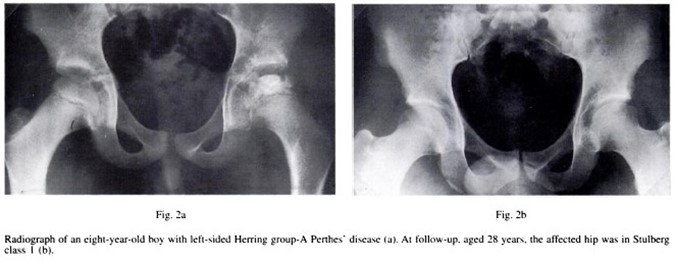
Radiographs are vital to the diagnosis of Legg-Calve-Perthes disease.
Initial X-rays might look normal because it can take one to two months after symptoms begin for the changes associated with Legg-Calve-Perthes disease to become evident on X-rays.
The doctor will likely recommend several X-rays over time, to track the progression of the disease.
Bone biopsy is not a diagnostic procedure for Legg-Calve-Perthes disease.
MRI can visualize bone damage caused by Legg-Calve-Perthes disease more clearly than X-rays can but are not always necessary.
Genetic testing is not a diagnostic procedure for Legg-Calve-Perthes disease.
Nursing Test Bank
Naxlex Comprehensive Predictor Exams
Related Questions
Correct Answer is B
Explanation
A nurse would recommend having crackers handy at the bedside and eating a few before getting out of bed to alleviate nausea in the early morning for a pregnant woman 1.
Eating foods that don’t aggravate your stomach, such as crackers, can help limit morning sickness.
Choice A is not an answer because eating three well-balanced meals per day and limiting snacks may not help alleviate nausea.
Eating small meals can help limit morning sickness.
Choice C is not an answer because drinking a full glass of fluid at the beginning of each meal may not help alleviate nausea.
Drinking throughout the day, not just when you are thirsty, can help limit morning sickness.
Choice D is not an answer because eating a bland diet and avoiding concentrated sweets may not help alleviate nausea.
Eating foods that don’t aggravate your stomach can help limit morning sickness.
Correct Answer is A
Explanation
Staphylococcus aureus is the most common cause of acute osteomyelitis.
Osteomyelitis is an infection of the bone that can be caused by a variety of microorganisms, including bacteria, fungi, and mycobacteria.
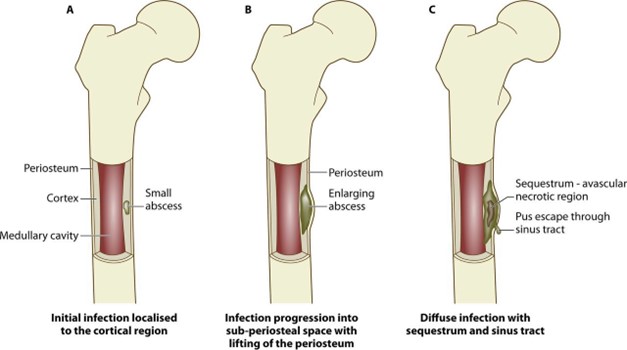
Staphylococcus aureus is present in more than 50% of patients with osteomyelitis that results from contiguous spread from adjacent infected tissue or open wounds.
Choice B is not an answer because Pseudomonas aeruginosa is a less common cause of osteomyelitis and is more commonly seen in injection drug users.
Choice C is not an answer because Streptococcus B is not a common cause of osteomyelitis.
Choice D is not an answer because Escherichia coli is not a common cause of osteomyelitis.
Whether you are a student looking to ace your exams or a practicing nurse seeking to enhance your expertise , our nursing education contents will empower you with the confidence and competence to make a difference in the lives of patients and become a respected leader in the healthcare field.
Visit Naxlex, invest in your future and unlock endless possibilities with our unparalleled nursing education contents today