
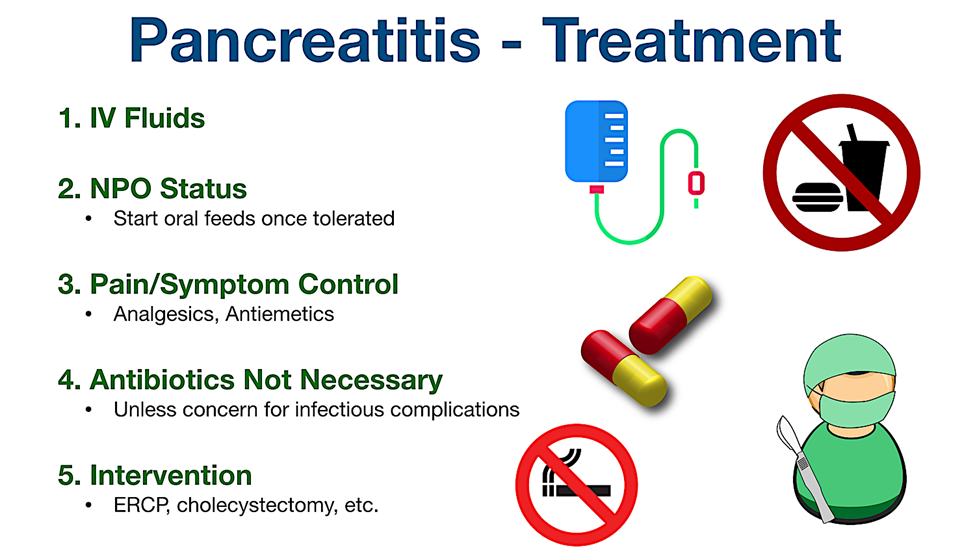
A nurse is caring for a client diagnosed with acute pancreatitis. After treating the client's pain, which of the following should the nurse address as the priority intervention?
Provide oral hygiene.
Assist the client to a side-lying position.
Auscultate the client's lungs.
Withhold oral fluids and food.
The Correct Answer is D
A. Provide oral hygiene.
Providing oral hygiene is important for the client's comfort and overall well-being. However, in the context of acute pancreatitis, the immediate priority is to address the gastrointestinal symptoms and prevent further pancreatic stimulation.
B. Assist the client to a side-lying position.
Assisting the client to a side-lying position can be beneficial for comfort and may help prevent complications such as aspiration. However, it is not the immediate priority after treating the pain. Withholding oral fluids and food takes precedence in the initial management of acute pancreatitis.
C. Auscultate the client's lungs.
Auscultating the client's lungs is a routine nursing assessment and is important for respiratory monitoring. However, in the context of acute pancreatitis, the primary focus is on addressing gastrointestinal symptoms, and respiratory assessment becomes more critical if respiratory distress is suspected.
D. Withhold oral fluids and food.
Withholding oral fluids and food is the priority intervention after treating the pain in acute pancreatitis. This is done to reduce pancreatic stimulation, allowing the pancreas to rest and recover. NPO (nothing by mouth) status is often initiated in the early management of acute pancreatitis.
Nursing Test Bank
Naxlex Comprehensive Predictor Exams
Related Questions
Correct Answer is A
Explanation
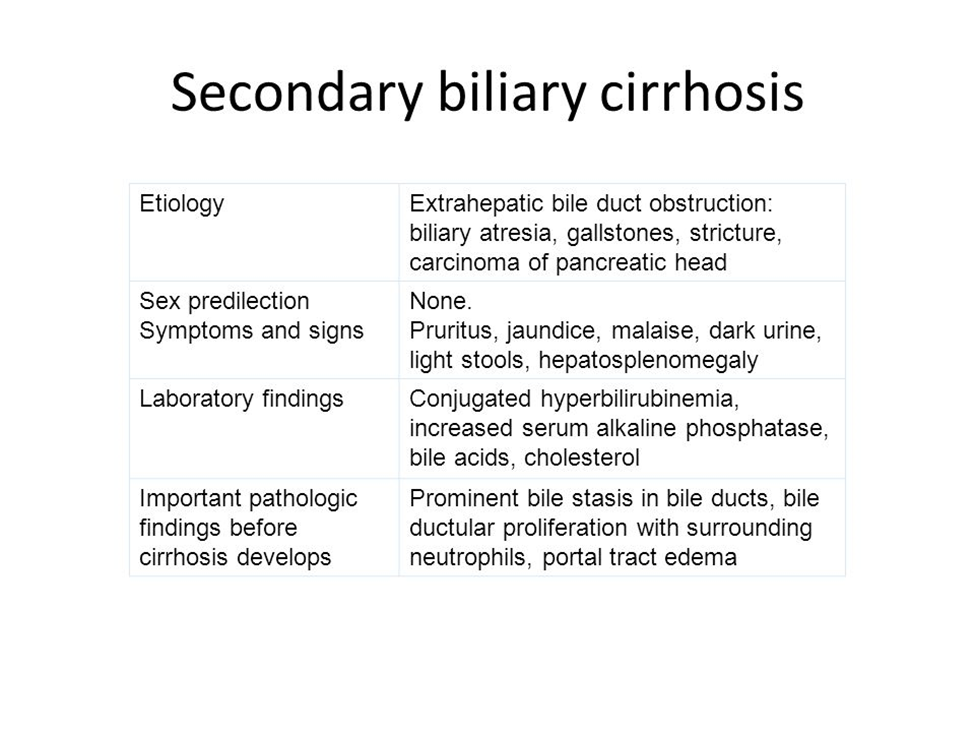
A. Obstruction of the bile duct:
Biliary cirrhosis can result from chronic obstruction of the bile ducts, leading to damage to the liver tissue. This obstruction can be due to various causes, such as gallstones or strictures.
B. Hepatotoxic medications:
While certain medications can contribute to liver damage, biliary cirrhosis specifically refers to conditions affecting the bile ducts. Hepatotoxic medications may contribute to cirrhosis but not necessarily biliary cirrhosis.
C. Hepatitis C:
Hepatitis C is a viral infection that primarily affects the liver. While chronic hepatitis C infection can lead to cirrhosis, it is not synonymous with biliary cirrhosis.
D. Excessive alcohol consumption:
Excessive alcohol consumption is a common cause of cirrhosis, but biliary cirrhosis specifically refers to cirrhosis resulting from chronic obstruction of the bile ducts.
Correct Answer is A
Explanation
Correct answer: A
A. Bear down:
Bear down: Asking the clientto bear down gently (as if to void) helps to expose urethral meatus.Bearing down simulates the act of urination and helps open the urethra.
B. Exhale slowly:
While exhaling slowly might help the client relax, it does not specifically assist with the insertion of the catheter as effectively as bearing down.
C. Contract the pelvic muscles:
Contracting the pelvic muscles (such as squeezing or tightening) might make catheter insertion more challenging by tensing the area where the catheter needs to pass through.
D. Take a sip of water:
Drinking water is not typically instructed during urinary catheter insertion, as it's unrelated to the process and might increase discomfort.
Whether you are a student looking to ace your exams or a practicing nurse seeking to enhance your expertise , our nursing education contents will empower you with the confidence and competence to make a difference in the lives of patients and become a respected leader in the healthcare field.
Visit Naxlex, invest in your future and unlock endless possibilities with our unparalleled nursing education contents today