
A nurse is caring for a client in the ICU. The client's ECG monitor tracing reveals sinus bradycardia and ST-segment elevation. The client reports shortness of breath and feeling dizzy and faint. Which of the following medications should the nurse administer?
Digoxin
Sotalol
Atropine
Lidocaine
The Correct Answer is C
Choice A reason: Digoxin is primarily used to treat atrial fibrillation and heart failure. It is not the first-line medication for sinus bradycardia with ST-segment elevation, as it can further slow down the heart rate.
Choice B reason: Sotalol is a beta-blocker and an antiarrhythmic medication that can be used to treat ventricular arrhythmias and maintain sinus rhythm in atrial fibrillation. However, it is not indicated for sinus bradycardia and could exacerbate the condition.
Choice C reason: Atropine is the medication of choice for symptomatic sinus bradycardia. It works by blocking the action of the vagus nerve on the heart, leading to an increased heart rate. Atropine can quickly reverse the symptoms of bradycardia, such as dizziness and shortness of breath.
Choice D reason: Lidocaine is an antiarrhythmic medication used to treat ventricular arrhythmias. While it can be used in acute settings, it is not the first choice for sinus bradycardia with ST-segment elevation.
Nursing Test Bank
Naxlex Comprehensive Predictor Exams
Related Questions
Correct Answer is B
Explanation
Choice A reason: Glucose Dextrose Oral (GDO) is not typically used in the immediate management of anaphylactic shock. Anaphylaxis requires rapid treatment to address severe allergic reactions and GDO does not play a role in this emergency situation.
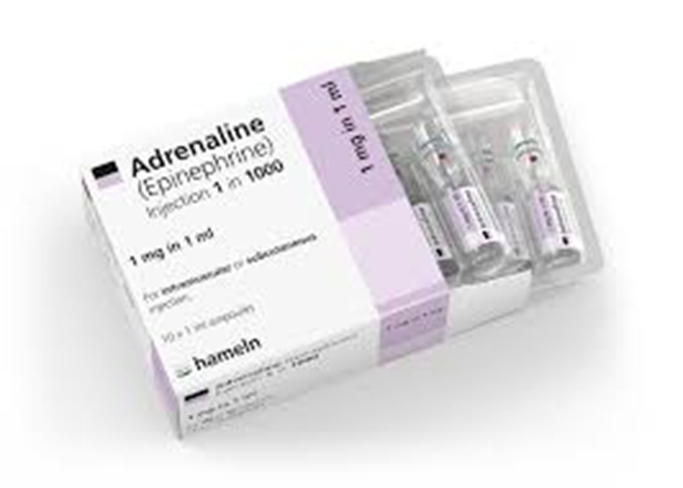
Choice B reason: Epinephrine (Adrenaline) is the first-line treatment for anaphylactic shock. It works quickly to improve breathing, stimulate the heart, raise a dropping blood pressure, reverse hives, and reduce swelling of the face, lips, and throat.
Choice C reason: Dexamethasone (Decadron) is a corticosteroid that may be used in the treatment of anaphylaxis to reduce inflammation. However, it is not the first medication administered due to its slower onset of action compared to epinephrine.
Choice D reason: 0.9% Normal Saline is used for intravenous fluid resuscitation in anaphylactic shock but is secondary to the administration of epinephrine. It helps to maintain blood pressure and is important in the overall management but not the first medication given.
Correct Answer is D
Explanation
Choice A reason: Advising the client to avoid carbohydrates after exercise is not appropriate. Carbohydrates are necessary to replenish glycogen stores after exercise, and individuals with diabetes need to monitor their blood sugar levels to manage carbohydrate intake accordingly.
Choice B reason: Saying it is normal to feel exhausted after a morning run does not address the client's symptoms of diaphoresis, increased heart rate, and palpitations, which could be signs of hypoglycemia, a common risk for individuals with type 1 diabetes after exercise.
Choice C reason: While it's true that exercise can become easier with routine, this statement does not address the client's immediate concerns about their symptoms following exercise.
Choice D reason: Asking if the client decreased their insulin intake before exercising is an appropriate response. Individuals with type 1 diabetes need to adjust their insulin dosage to account for physical activity, which can significantly lower blood glucose levels.
Whether you are a student looking to ace your exams or a practicing nurse seeking to enhance your expertise , our nursing education contents will empower you with the confidence and competence to make a difference in the lives of patients and become a respected leader in the healthcare field.
Visit Naxlex, invest in your future and unlock endless possibilities with our unparalleled nursing education contents today