
A nurse is caring for a client who arrives at the emergency department and reports vomiting and diarrhea for the past 3 days. The client's serum potassium level is 2.8 mEq/L. Which of the following interventions should the nurse implement first?
Listen to the client's bowel sounds.
Initiate cardiac monitoring for the client.
Check the client's hand grasps.
Administer an IV potassium drip.
The Correct Answer is B
Choice A reason:
Listening to the client's bowel sounds should not be implemented. It is important for assessing the gastrointestinal status, but the priority in this situation is to address the potential cardiac complications of hypokalaemia.
Choice B reason:
Initiating cardiac monitoring for the client should be implemented. A serum potassium level of 2.8 mEq/L is significantly low (normal range is typically around 3.5-5.0 mEq/L). Low potassium levels, known as hypokalaemia, can lead to serious cardiac arrhythmias and other complications. Therefore, the nurse should prioritize cardiac monitoring to assess for any potential changes or abnormalities in the client's heart rhythm due to the low potassium levels.
Choice C reason:
Checking the client's hand grasps should not be implemented. It is a test for muscle strength and can be indicative of hypokalaemia, but initiating cardiac monitoring is more critical at this point.
Choice D reason:
Administering an IV potassium drip may be necessary, but initiating cardiac monitoring takes precedence as the first action to ensure the client's heart rhythm is stable before addressing the potassium imbalance.
Nursing Test Bank
Naxlex Comprehensive Predictor Exams
Related Questions
Correct Answer is A
Explanation
Choice A reason:
A calcium level of 11.5 mg/dL is elevated. Normal calcium levels typically range from 8.5 to 10.5 mg/dL. Hypercalcemia can lead to various complications, including cardiac arrhythmias and neurological symptoms. The nurse should notify the provider of this finding for further evaluation and management.Choice B reason
Serum albumin level 3.9 g/dL is not appropriate. This level is within a reasonable range for serum albumin. It might be an indicator of nutritional status, but it's not an urgent concern.
Choice C reason:
Output exceeding intake over a 12-hour period may indicate fluid imbalance or inadequate intake compared to output. However, without further context, such as the client's overall fluid status, this finding alone may not be alarming. The nurse should assess the client's hydration status, consider potential causes of increased output, and address any concerns accordingly. While the nurse may need to monitor closely and address any potential issues, immediate notification of the provider may not be necessary based solely on this finding.Choice D reason:
Fasting blood glucose level 105 mg/dL is not appropriate: A fasting blood glucose level of 105 mg/dL is slightly elevated, but it's not a critically high value. The nurse should monitor blood glucose levels and collaborate with the healthcare team to manage blood glucose appropriately.
However, if the client has a history of diabetes or if there are other concerning factors, such as consistent high glucose levels or symptoms of hyperglycemia, the nurse may need to monitor closely and notify the provider for further evaluation and management. Otherwise, this finding alone may not warrant immediate notification.Correct Answer is B
Explanation
Choice A reason:
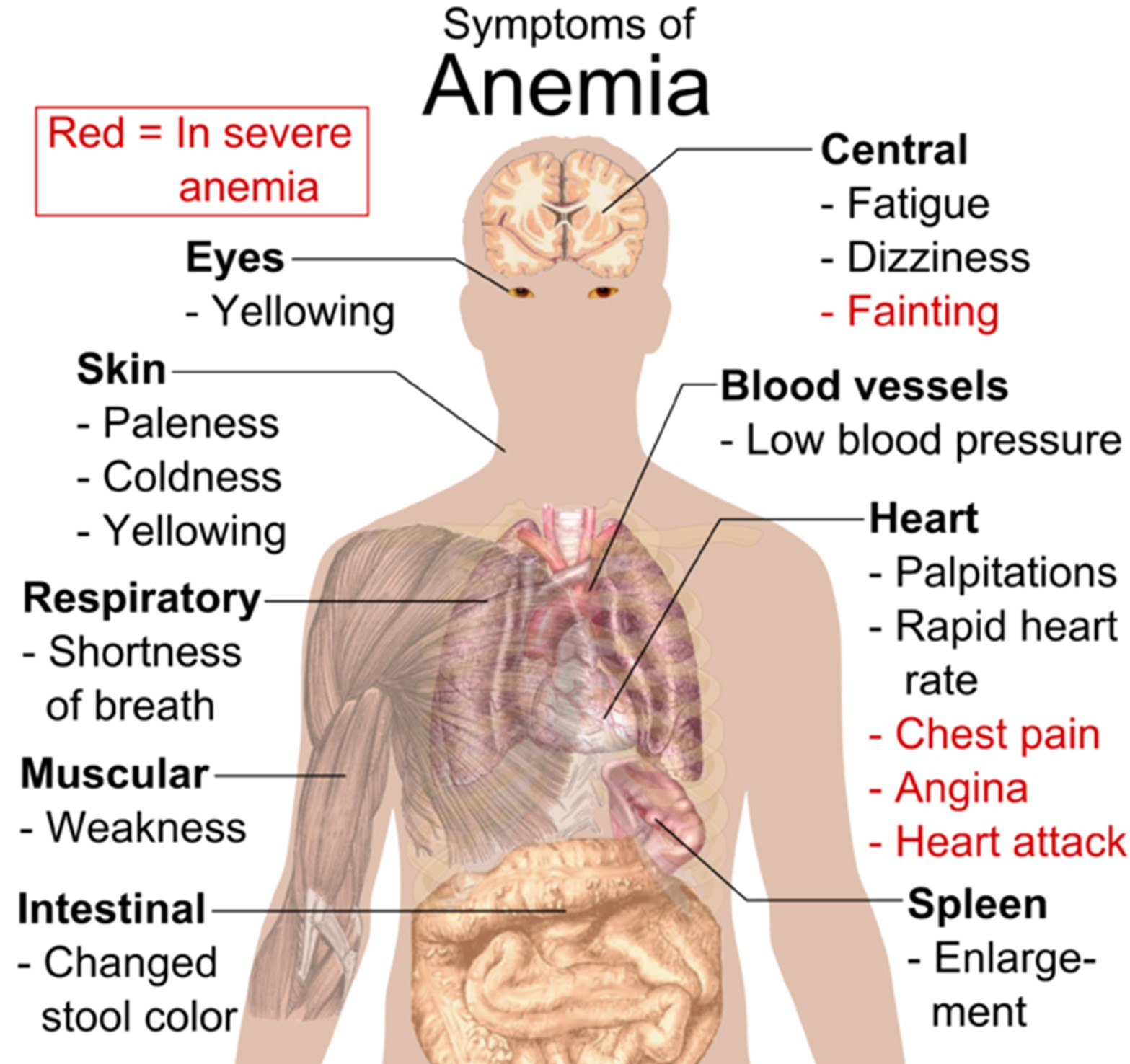
Bradycardia is incorrect. Bradycardia refers to a slow heart rate, and while anaemia can lead to an increased heart rate (tachycardia) as the body tries to compensate for the decreased oxygen levels, it is not typically associated with bradycardia.
Choice B reason:
Headache Anaemia is a condition characterized by a decreased number of red blood cells or a decrease in the amount of haemoglobin in the blood, leading to reduced oxygen-carrying capacity. This can result in decreased oxygen delivery to various tissues and organs, including the brain. As a result, clients with anaemia often experience symptoms such as fatigue, weakness, and headaches.
Choice C reason:
Flushed skin colour - Anaemia is more likely to cause paleness of the skin (pallor) due to the decreased haemoglobin levels, rather than flushed skin colour.
Choice D reason:
Heat intolerance - Heat intolerance is not a typical symptom of anaemia. It might be seen in conditions affecting the thyroid or related to hormonal imbalances, but it is not directly related to anaemia.
Whether you are a student looking to ace your exams or a practicing nurse seeking to enhance your expertise , our nursing education contents will empower you with the confidence and competence to make a difference in the lives of patients and become a respected leader in the healthcare field.
Visit Naxlex, invest in your future and unlock endless possibilities with our unparalleled nursing education contents today