
A nurse is caring for a client who has a new prescription for a medication that she thinks may be harmful to the client. After seeking clarification from the provider, the nurse still feels that it is unsafe. Which of the following actions should the nurse take?
Contact another provider.
Withhold the treatment.
Carry out the prescription.
Notify the ethics committee.
The Correct Answer is A
A. If the nurse still has concerns after seeking clarification, the appropriate action is to contact another provider for a second opinion to ensure the safety and well-being of the client.
B. Withholding the treatment without further consultation may not be the best course of action.
Seeking additional input is important.
C. Carrying out the prescription despite concerns about its safety may pose risks to the client.
D. Notifying the ethics committee should be considered if there are ongoing ethical concerns or if the issue cannot be resolved through collaboration with other providers.
Nursing Test Bank
Naxlex Comprehensive Predictor Exams
Related Questions
Correct Answer is B
Explanation
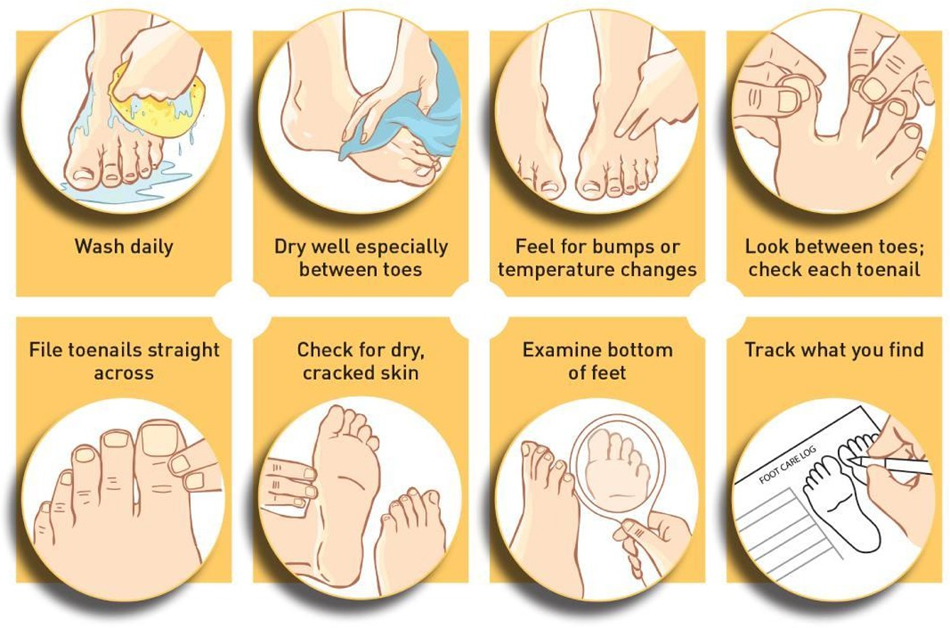
A. Wearing cotton socks is appropriate as they allow for better air circulation.
B. Cutting nails rounded at the corners can lead to ingrown toenails, which is not recommended for individuals with diabetes.
C. Using a mirror for daily foot inspection is a good practice to identify any issues early.
D. Buying shoes late in the afternoon accounts for any swelling that may occur during the day, which is a suitable practice for individuals with diabetes.
Correct Answer is C
Explanation
A. Opening the first flap of the sterile kit away from the body helps maintain the sterility of the contents.
B. The sterile field should be above waist level to avoid contamination.
C. Placing dry, sterile supplies 1/2 inch from the edge of the sterile field helps prevent contamination of the items.
D. Sterile gloves should be donned before preparing the sterile field to avoid contamination.
Whether you are a student looking to ace your exams or a practicing nurse seeking to enhance your expertise , our nursing education contents will empower you with the confidence and competence to make a difference in the lives of patients and become a respected leader in the healthcare field.
Visit Naxlex, invest in your future and unlock endless possibilities with our unparalleled nursing education contents today