
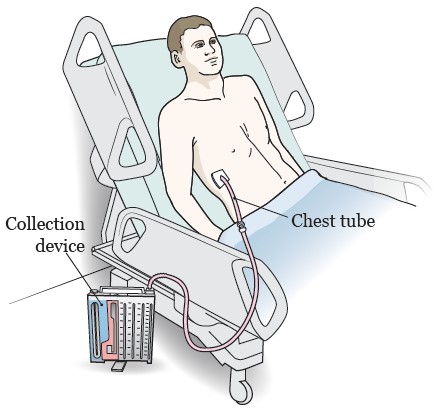
A nurse is caring for a client who has a newly inserted chest tube. The nurse should clarify which of the following prescriptions with the provider?
Vigorously strip the chest tube twice daily.
Assist the client out of bed three times daily.
Notify the provider when tiddling ceases.
Administer morphine 2 mg IV bolus every 3 hr. PRN for pain.
The Correct Answer is A
Choice A Reason:
Vigorously strip the chest tube twice daily. The nurse should clarify the prescription to "vigorously strip the chest tube twice daily" with the provider. Stripping or milking a chest tube is generally not recommended, as it can cause damage to the tube and lead to complications. The movement of fluid and air in the chest tube should be allowed to occur naturally based on the patient's own respiratory effort.
Choice B Reason:
Assist the client out of bed three times daily - This is a reasonable activity for a client with a chest tube, as mobility and deep breathing can help prevent complications.
Choice C Reason:
Notify the provider when tiddling ceases - Monitoring for tiddling (fluctuations in the water seal chamber with respiration) and notifying the provider when tiddling stops is important, as it might indicate a potential issue with the chest tube placement or functioning.
Choice D Reason:
Administer morphine 2 mg IV bolus every 3 hr PRN for pain - Administering pain relief for the client is appropriate and helps manage their comfort. Pain control is important to encourage deep breathing and prevent complications related to shallow breathing due to pain.
Nursing Test Bank
Naxlex Comprehensive Predictor Exams
Related Questions
Correct Answer is B
Explanation
Choice A Reason:
A raised lesion with a rolled border - This description might be more indicative of basal cell carcinoma, a different type of skin cancer.
Choice B Reason:
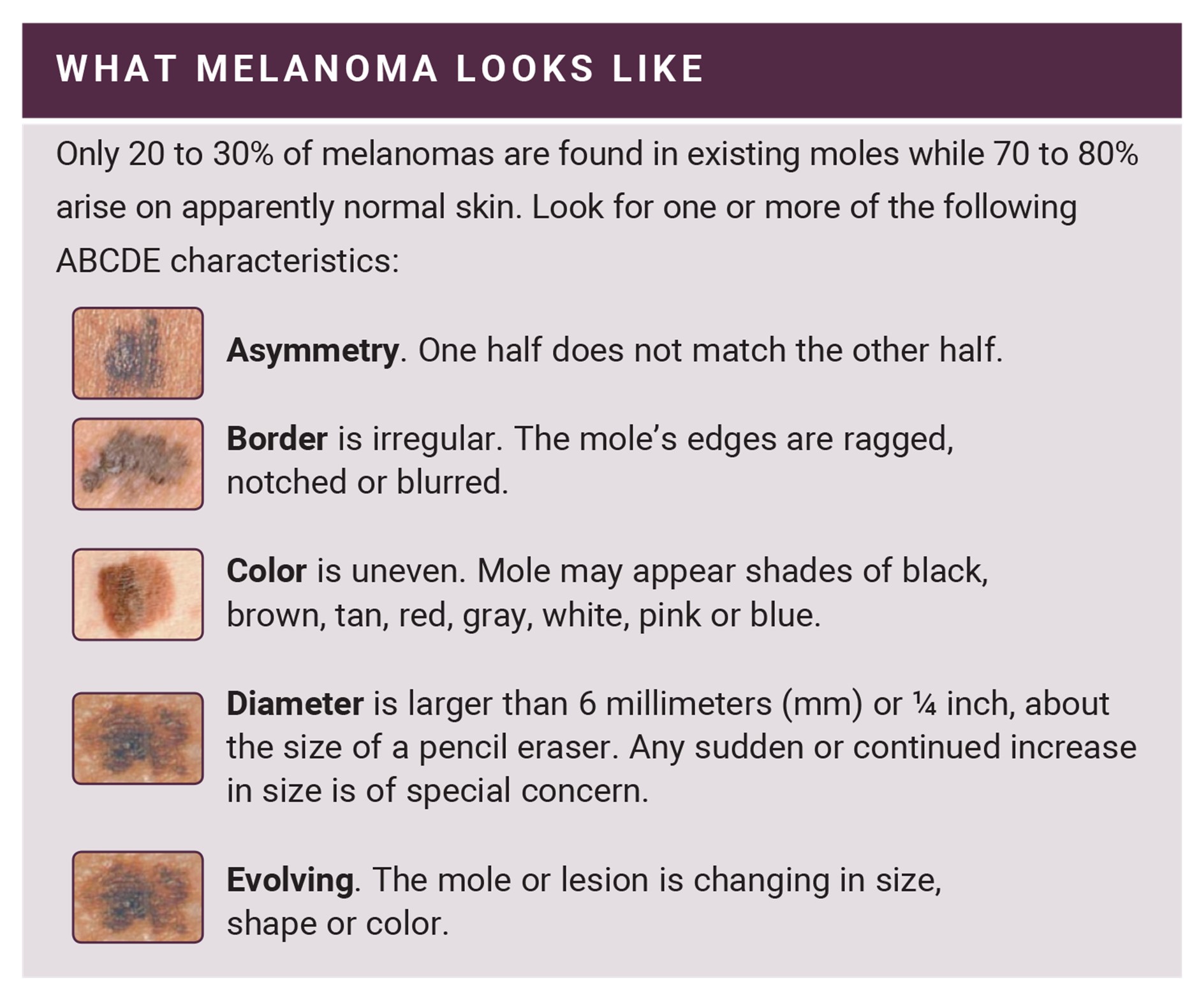
An irregular lesion with irregular borders. Melanoma is a type of skin cancer that originates from melanocytes, the cells responsible for producing the pigment melanin. One of the key characteristics of melanoma is the presence of an irregularly shaped lesion with irregular borders. Melanomas often have uneven, jagged, or notched edges that distinguish them from benign moles or lesions.
Choice C Reason:
A reddened lesion with dilated blood vessels - This description might be more indicative of a vascular lesion or hemangioma, which is not a melanoma.
Choice D Reason:
A scaly lesion with a crusted appearance - This description might be more indicative of squamous cell carcinoma, another type of skin cancer.
Correct Answer is A
Explanation
Choice A reason:
Palpating the dorsalis pedis pulse is the appropriate option. Checking the dorsalis pedis pulse is crucial to assess the perfusion and circulation to the affected extremity. This is an important nursing action to monitor the patient's vascular status and ensure that there is adequate blood flow to the extremity distal to the fixator. A decrease or absence of the dorsalis pedis pulse could indicate potential circulation issues and require immediate attention.
Choice B reason:
Adjusting the clamps on the fixator frame is incorrect. The nurse should not adjust the clamps without specific orders from the healthcare provider. The external fixator is typically secured according to the surgeon's specifications, and any adjustments should be made under the guidance of the surgical team.
Choice C reason:
Wrapping sterile gauze on the sharp point of the pins is incorrect. The sharp pins used in an external fixator are an integral part of the device and are placed to stabilize the fracture. They should not be covered with sterile gauze, as this could interfere with their function and increase the risk of infection.
Choice D reason:
Maintaining the affected extremity in a dependent position is incorrect. Keeping the affected extremity in a dependent position (lower than the heart) can increase swelling and impair circulation. After surgery and fixation, it's often recommended to elevate the extremity to reduce swelling and promote proper circulation.

Whether you are a student looking to ace your exams or a practicing nurse seeking to enhance your expertise , our nursing education contents will empower you with the confidence and competence to make a difference in the lives of patients and become a respected leader in the healthcare field.
Visit Naxlex, invest in your future and unlock endless possibilities with our unparalleled nursing education contents today