
A nurse is caring for a client who has a stage 3 pressure ulcer. The nurse should recognize that which of the following laboratory findings will affect wound healing?
Hemoglobin 16g/dL
INR 0.9
Serum albumin 3.2 g/dL
WBC count 8,000/mm
The Correct Answer is C
Choice A rationale: Hemoglobin level reflects the oxygen-carrying capacity of the blood but is not a direct indicator of nutritional status.
Choice B rationale: International Normalized Ratio (INR) is a measure of blood clotting, and a normal value does not directly impact wound healing.
Choice C rationale: Serum albumin is a marker of nutritional status, and a low level (hypoalbuminemia) can adversely affect wound healing. Adequate protein intake is essential for collagen synthesis and overall tissue repair.
Choice D rationale: White blood cell count is an indicator of immune response and infection but does not directly affect wound healing in the absence of infection.
Nursing Test Bank
Naxlex Comprehensive Predictor Exams
Related Questions
Correct Answer is D
Explanation
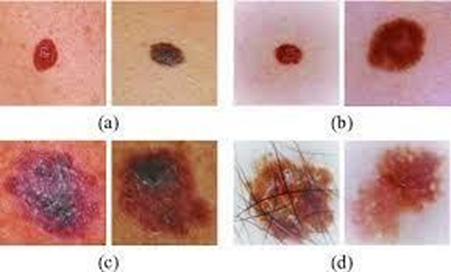
Choice A rationale: pruritus is one of the symptoms of malignant melanoma, as well as changes in the shape, size, color, or texture of a mole or other skin lesion. However, pruritus is not specific to the disease and should always serve as a clue prompting further examination.
Choice B rationale: pain is a very rare symptom in malignant melanoma especially during the early stages of the disease. However, pain may occur in advanced stages of the disease when deeper tissues have been invaded and in cases of metastasis to distant sites.
Choice C rationale: purulent discharge is an indication of an underlying infection rather than malignant melanoma.
Choice D rationale: purplish skin discoloration is common in Kaposi’s sarcoma which manifests as purplish skin nodules rather than malignant melanoma. Furthermore, it may suggest bruising or bleeding under the skin. Malignant melanoma can have various colors, such as black, brown, red, blue, or white, depending on the type and amount of melanin produced by the tumor cells.
Correct Answer is ["2"]
Explanation
Volume = dose/concentration
= 250/ (1000/8)
=2 mL
Whether you are a student looking to ace your exams or a practicing nurse seeking to enhance your expertise , our nursing education contents will empower you with the confidence and competence to make a difference in the lives of patients and become a respected leader in the healthcare field.
Visit Naxlex, invest in your future and unlock endless possibilities with our unparalleled nursing education contents today