
A nurse is caring for a client who has acute osteomyelitis.
The client asks the nurse to explain how she developed the infection.
The nurse should respond that which of the following organisms is the most common cause?
Staphylococcus aureus.
Pseudomonas aeruginosa.
Streptococcus
Escherichia coli.
The Correct Answer is A
Staphylococcus aureus is the most common cause of acute osteomyelitis.
Osteomyelitis is an infection of the bone that can be caused by a variety of microorganisms, including bacteria, fungi, and mycobacteria.
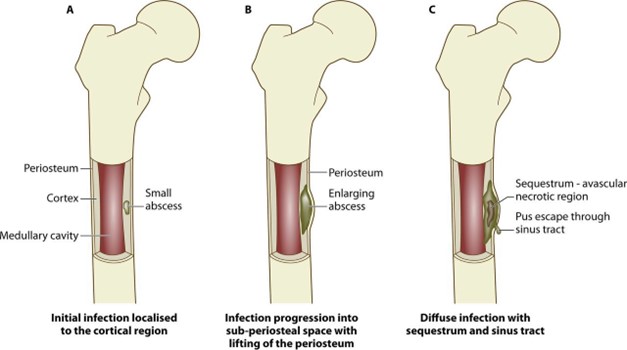
Staphylococcus aureus is present in more than 50% of patients with osteomyelitis that results from contiguous spread from adjacent infected tissue or open wounds.
Choice B is not an answer because Pseudomonas aeruginosa is a less common cause of osteomyelitis and is more commonly seen in injection drug users.
Choice C is not an answer because Streptococcus B is not a common cause of osteomyelitis.
Choice D is not an answer because Escherichia coli is not a common cause of osteomyelitis.
Nursing Test Bank
Naxlex Comprehensive Predictor Exams
Related Questions
Correct Answer is C
Explanation
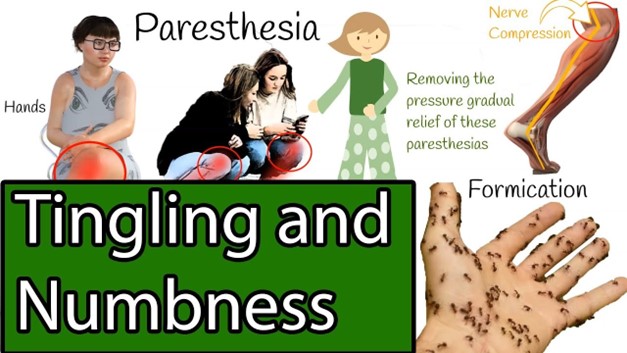
Paresthesia refers to an abnormal sensation of the skin, such as numbness, tingling, or burning.
When the nurse observes for diminished or absent sensation and numbness or tingling, they are monitoring for paresthesia.
Choice A is not correct because pain is not the symptom being monitored in this case.
Choice B is not correct because paralysis is not the symptom being monitored in this case.
Choice D is not correct because pallor refers to the paleness of the skin and is not the symptom being monitored in this case.
Correct Answer is D
Explanation
“Implantation occurs between two and three weeks after conception.” This statement is incorrect because implantation usually occurs about 6 to 10 days after conception.
Choice A is correct because bleeding or spotting can accompany implantation.
Choice B is correct because sperm can remain viable in the woman’s reproductive tract for 2 to 3 days.
Choice C is correct because fertilization typically takes place in the outer third of the fallopian tube.
Whether you are a student looking to ace your exams or a practicing nurse seeking to enhance your expertise , our nursing education contents will empower you with the confidence and competence to make a difference in the lives of patients and become a respected leader in the healthcare field.
Visit Naxlex, invest in your future and unlock endless possibilities with our unparalleled nursing education contents today