
The nursing instructor is illustrating the circulatory flow between the mother and fetus.
The instructor determines the session is successful when the class correctly chooses which structure with which route.
The one umbilical vein carries oxygen-rich blood to the fetus from the placenta.
The two umbilical arteries carry waste products from the placenta to the fetus.
The two umbilical veins carry waste products from the fetus to the placenta.
The one umbilical artery carries oxygen-rich blood to the fetus from the placenta.
The Correct Answer is A
The umbilical vein carries oxygen-rich blood to the fetus from the placenta.
The umbilical vein is an important part of fetal circulation and carries oxygenated blood from the placenta into the growing fetus.
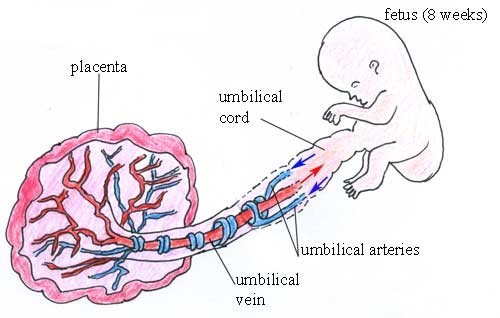
Choice B is incorrect because the two umbilical arteries carry deoxygenated blood from the fetus to the placenta23.
Choice C is incorrect because there are not two umbilical veins, but only one12.
Choice D is incorrect because it is not the one umbilical artery that carries oxygen-rich blood to the fetus from the placenta, but rather the one umbilical vein14.
Nursing Test Bank
Naxlex Comprehensive Predictor Exams
Related Questions
Correct Answer is B
Explanation
A nurse would recommend having crackers handy at the bedside and eating a few before getting out of bed to alleviate nausea in the early morning for a pregnant woman 1.
Eating foods that don’t aggravate your stomach, such as crackers, can help limit morning sickness.
Choice A is not an answer because eating three well-balanced meals per day and limiting snacks may not help alleviate nausea.
Eating small meals can help limit morning sickness.
Choice C is not an answer because drinking a full glass of fluid at the beginning of each meal may not help alleviate nausea.
Drinking throughout the day, not just when you are thirsty, can help limit morning sickness.
Choice D is not an answer because eating a bland diet and avoiding concentrated sweets may not help alleviate nausea.
Eating foods that don’t aggravate your stomach can help limit morning sickness.
Correct Answer is A
Explanation
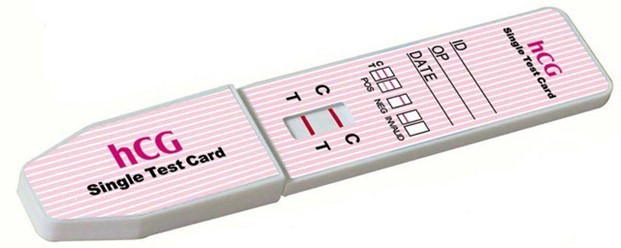
A positive urine hCG test is a priority assessment to assess for a possible pregnancy.
The human chorionic gonadotropin (hCG) hormone is produced by the placenta after implantation and can be detected in the urine of pregnant women.
A urine hCG test is a common method used to confirm pregnancy.
Choice B is not an answer because changes in uterine size and shape occur later in pregnancy and are not a priority assessment for early pregnancy detection.
Choice C is not an answer because a fetal heartbeat can usually be detected at around 6-7 weeks of pregnancy and is not a priority assessment for early pregnancy detection.
Choice D is not an answer because Chadwick’s sign, which refers to the bluish discoloration of the cervix, vagina, and vulva due to increased blood flow, occurs later in pregnancy and is not a priority assessment for early pregnancy detection.
Whether you are a student looking to ace your exams or a practicing nurse seeking to enhance your expertise , our nursing education contents will empower you with the confidence and competence to make a difference in the lives of patients and become a respected leader in the healthcare field.
Visit Naxlex, invest in your future and unlock endless possibilities with our unparalleled nursing education contents today