
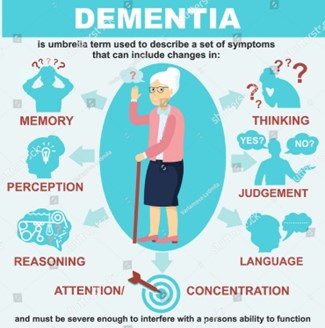
A nurse is caring for a client who has dementia. Which of the following findings should the nurse expect?
Memory loss that disrupts ADLs
Catatonia
Illusions
Pressured speech
The Correct Answer is A
Dementia is a condition characterized by a decline in cognitive function that affects a person's ability to perform activities of daily living (ADLs). Memory loss is a common symptom of dementia, particularly in the early stages. Memory loss can disrupt a person's ability to carry out tasks they were previously able to do independently, such as dressing, bathing, and eating. Therefore, option A is the correct answer.
Option b, catatonia, is a condition characterized by a lack of movement or activity, which is not typically associated with dementia.
Option c, illusions, involve a misinterpretation of sensory information and may occur in some forms of dementia but are not a defining feature.
Option d, pressured speech, is a symptom commonly associated with mania or bipolar disorder but is not typically seen in dementia.
Nursing Test Bank
Naxlex Comprehensive Predictor Exams
Related Questions
Correct Answer is A
Explanation
a. Support the client's decision to stop the treatment.
As a nurse, it is important to respect the client's autonomy and right to make decisions about their own care. The decision to stop dialysis treatment is a personal one and should be respected by the healthcare team. The nurse should support the client's decision and provide information and resources to help the client manage symptoms and maintain comfort during the end-of-life process.
It is not appropriate for the nurse to suggest that the client discuss the decision with her family or to discuss alternative treatment methods, as these decisions should be made by the client in conjunction with their healthcare provider.
It may be appropriate to offer spiritual or emotional support to the client, but this should be based on the client's preferences and not imposed upon them by the healthcare team.
Correct Answer is B
Explanation
This response allows the nurse to actively listen to the client, gain a better understanding of their concerns and reasons behind wanting to stop treatment, and open the door for a more in-depth conversation. It demonstrates a non-judgmental approach and creates an opportunity for the client to express their fears, concerns, or any other factors influencing their decision.
"I would feel the same way if I were you." This response reflects the nurse's personal opinion and may not accurately represent the client's thoughts or feelings. It does not encourage the client to explore their own feelings or provide an opportunity for open communication.
"Why do you think that would be a good choice?" This response may come across as confrontational and judgmental, potentially making the client defensive or shutting down communication. It does not facilitate a therapeutic conversation or encourage the client to express their emotions and concerns openly.
"You'll be cancer-free after you complete your treatments." This response may oversimplify the client's situation or offer false reassurance. It is important to acknowledge the client's feelings and concerns while providing accurate information and support, rather than making unrealistic promises about treatment outcomes.
The nurse should approach the client's expression of wanting to stop treatment with empathy, active listening, and an open mind to provide the necessary support, education, and resources to help the client make informed decisions about their healthcare.
Whether you are a student looking to ace your exams or a practicing nurse seeking to enhance your expertise , our nursing education contents will empower you with the confidence and competence to make a difference in the lives of patients and become a respected leader in the healthcare field.
Visit Naxlex, invest in your future and unlock endless possibilities with our unparalleled nursing education contents today