
A nurse is reinforcing teaching with a new parent about bathing her newborn.
Which of the following statements should the nurse include?
Apply talcum powder daily after bathing in order to prevent diaper rash.
Use an alkaline soap to bathe the baby.
Perform sponge baths until the baby's umbilical cord falls off.
Ensure the bath water is at least 96 degrees Fahrenheit.
The Correct Answer is C
Explanation:
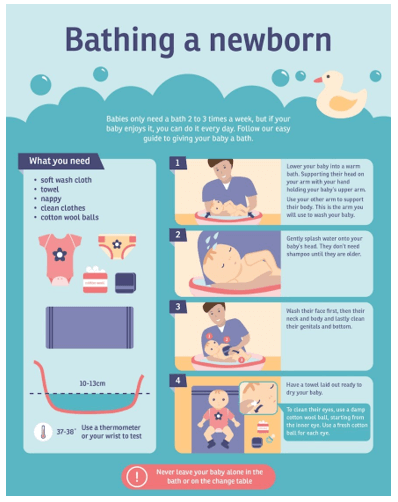
Sponge baths are recommended until the umbilical cord stump falls off, which typically occurs within the first two weeks of life. After that, the baby can be immersed in water for a regular bath.
Using talcum powder is not recommended as it can be harmful to the baby's respiratory system if inhaled. Mild, pH-balanced soap should be used instead of alkaline soap to avoid irritating the baby's delicate skin.
The bathwater temperature should be around 98 degrees Fahrenheit and not hoter than 100 degrees Fahrenheit to prevent burns.
Nursing Test Bank
Naxlex Comprehensive Predictor Exams
Related Questions
Correct Answer is D
Explanation
A.Maintain low-level lights in common areas.Inadequate lighting can contribute to disorientation and falls. Well-lit areas with natural or soft lighting are preferable.
B.Give the client several meal options at lunchtime.Too many choices can be overwhelming and increase confusion. Instead, limiting choices (e.g., offering just two meal options) is a better approach.
C.Confront the client regarding inappropriate behavior.Confrontation can increase agitation and distress. Instead, redirection and gentle guidance are more effective strategies.
D. Use symbols in the communal room signage.Clients experiencing confusion and memory loss benefit from visual cues and simple, clear communication. Using symbols (such as pictures of a toilet for the restroom or a plate for the dining area) can help them navigate the environment more easily and reduce frustration.
Correct Answer is B
Explanation
b. Increased urinary output.
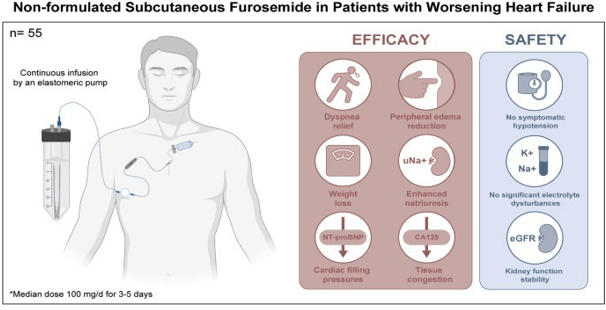
Furosemide is a diuretic medication that helps remove excess fluid from the body by increasing urine production and output. In a client with heart failure, one of the indicators that the medication is effective is an increase in urinary output. This can help reduce fluid buildup in the body, which can improve symptoms of heart failure.
Whether you are a student looking to ace your exams or a practicing nurse seeking to enhance your expertise , our nursing education contents will empower you with the confidence and competence to make a difference in the lives of patients and become a respected leader in the healthcare field.
Visit Naxlex, invest in your future and unlock endless possibilities with our unparalleled nursing education contents today