
A nurse is reinforcing teaching about palliative care to a client who has cancer. Which of the following statements should the nurse make?
"It is for clients who are given 6 months or less to live."
"It includes restriction of nutritional support."
"It enhances quality of life by promoting comfort."
"It is for clients who have a terminal illness."
The Correct Answer is C
Palliative care is an approach to care that focuses on improving the quality of life for individuals with serious or life-threatening illnesses. It aims to provide relief from pain, symptoms, and stress, rather than focusing solely on curing the underlying disease. Palliative care can be provided alongside curative treatments and is not limited to clients with a specific life expectancy.
It does not involve the restriction of nutritional support but rather aims to address the overall physical, emotional, and spiritual needs of the client.
While palliative care may be provided to clients with terminal illnesses, it is not exclusive to them, as it can be initiated at any stage of a serious illness.
Nursing Test Bank
Naxlex Comprehensive Predictor Exams
Related Questions
Correct Answer is A
Explanation
Wash hands with soap and water for 20 seconds: Washing hands with soap and water is the preferred method for hand hygiene in most situations, especially when hands are visibly soiled or contaminated with body fluids. The CDC recommends washing hands for at least 20 seconds, ensuring that all surfaces of the hands, including the back of the hands, between the fingers, and under the nails, are thoroughly cleaned.
Artificial nails should not be worn when performing direct client care: Artificial nails, including nail extensions and overlays, should be avoided when providing direct client care. The wearing of
artificial nails can increase the risk of bacterial colonization and make proper hand hygiene more challenging. Short, natural nails without nail polish are recommended for healthcare workers to ensure effective hand hygiene and reduce the risk of infection transmission.
Wear sterile gloves when in contact with body fluids: Sterile gloves are indicated when there is a need for an aseptic technique or when in contact with sterile body sites or invasive procedures.
However, for routine patient care and non-sterile procedures, non-sterile disposable gloves are typically sufficient. The use of gloves does not replace the need for proper hand hygiene before and after glove use.
Use alcohol-based cleanser when hands are visibly soiled: Alcohol-based hand sanitizers are effective in killing many types of germs when used correctly. However, they are not as effective when hands are visibly soiled or contaminated with body fluids. In such cases, washing hands with soap and water is recommended to ensure proper cleansing and removal of visible dirt or contaminants.
Correct Answer is A
Explanation
Pain in the calf can be a potential symptom of deep vein thrombosis (DVT), which is a serious complication after surgery. Monitoring the client's pulse oximetry can help assess for signs of decreased oxygenation, which may indicate a possible clot or compromised circulation. A decrease in oxygen saturation can be an early indicator of a potential DVT-related complication, such as a pulmonary embolism. Monitoring the pulse oximetry can provide valuable information for timely intervention and management.
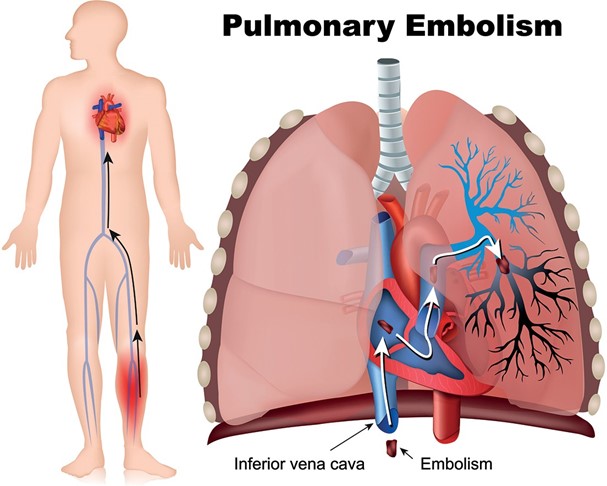
Instructing the client to massage the calf gently is not advisable without further assessment and evaluation. Massaging the calf can potentially dislodge a clot if one is present, leading to further complications. It is important to rule out DVT through appropriate diagnostic measures before providing specific instructions for calf massage.
Maintaining the leg in a dependent position while in bed can potentially worsen the symptoms and increase the risk of venous stasis. Elevating the affected leg, rather than maintaining it in a dependent position, can help improve venous return and reduce pain or swelling.
Applying a cold compress to the client's calf is not recommended without further assessment. Heat or cold therapy should be applied based on the underlying cause of the pain. In the case of potential DVT, applying a cold compress can increase vasoconstriction and potentially worsen the condition. It is essential to investigate the cause of the pain first and consult with the healthcare provider before initiating any specific therapies or interventions.
Whether you are a student looking to ace your exams or a practicing nurse seeking to enhance your expertise , our nursing education contents will empower you with the confidence and competence to make a difference in the lives of patients and become a respected leader in the healthcare field.
Visit Naxlex, invest in your future and unlock endless possibilities with our unparalleled nursing education contents today