
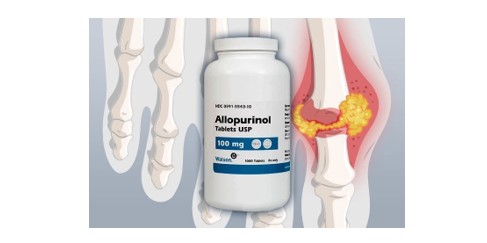
A nurse is caring for a client who has developed gout. Which of the following medications should the nurse prepare to administer?
Alprazolam
Spironolactone
Zolpidem
Allopurinol
The Correct Answer is D
Gout is a type of arthritis caused by a build-up of uric acid crystals in the joints, leading to inflammation, pain, and swelling. Allopurinol is a medication used to treat gout by reducing the production of uric acid in the body. It works by inhibiting the enzyme xanthine oxidase, which is responsible for producing uric acid.
Option a, Alprazolam, is a medication used to treat anxiety and panic disorders. It is not used in the treatment of gout.
Option b, Spironolactone, is a medication used to treat high blood pressure, edema, and certain types of hormonal imbalances. It is not used in the treatment of gout.
Option c, Zolpidem, is a medication used to treat insomnia. It is not used in the treatment of gout.
Nursing Test Bank
Naxlex Comprehensive Predictor Exams
Related Questions
Correct Answer is C
Explanation
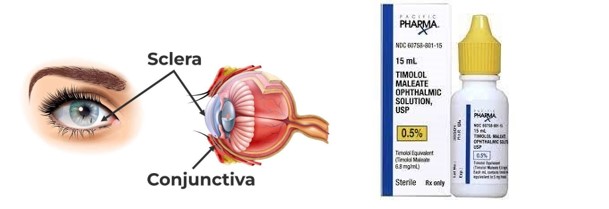
According to Mayo Clinic, if you are using more than one eye product, you should apply these medicines at least 5 minutes apart1. None of the other options are listed as instructions for administering timolol and pilocarpine eye drops.
Correct Answer is B
Explanation
The correct answer is choice b. Constipation.
Choice A rationale:
While headaches can occur with some medications, they are not a common adverse effect of diphenhydramine. Diphenhydramine's typical side effects are more related to its anticholinergic properties.
Choice B rationale:
Diphenhydramine is an antihistamine with anticholinergic effects, which can lead to dry mouth, urinary retention, and constipation as common adverse effects.
Choice C rationale:
Diphenhydramine typically does not cause bradycardia. In some cases, it may cause tachycardia (increased heart rate) rather than a slower heart rate.
Choice D rationale:
Hypertension is not typically associated with diphenhydramine. In fact, it can sometimes cause hypotension (low blood pressure) rather than high blood pressure.
Whether you are a student looking to ace your exams or a practicing nurse seeking to enhance your expertise , our nursing education contents will empower you with the confidence and competence to make a difference in the lives of patients and become a respected leader in the healthcare field.
Visit Naxlex, invest in your future and unlock endless possibilities with our unparalleled nursing education contents today