
A nurse is caring for a client who is 1 day postoperative following a total thyroidectomy.
Complete the following sentence by using the lists of options.
The client is at highest risk for developing
The Correct Answer is {"dropdown-group-1":"B","dropdown-group-2":"D"}
The client is at highest risk for developing hypocalcemia as evidenced by the total calcium level of 8.0 mg/dL (normal range 9.0 to 10.5 mg/dL).
Explanation:
After a total thyroidectomy, there is a risk of hypocalcemia due to potential damage or removal of the parathyroid glands, which regulate calcium levels in the body. The laboratory result indicating a total calcium level of 8.0 mg/dL, which is below the normal range, supports this risk. Hypocalcemia can lead to symptoms such as tingling, muscle cramps, or more severe complications like cardiac arrhythmias if not addressed promptly.
Nursing Test Bank
Naxlex Comprehensive Predictor Exams
Related Questions
Correct Answer is B
Explanation
Choice A reason:
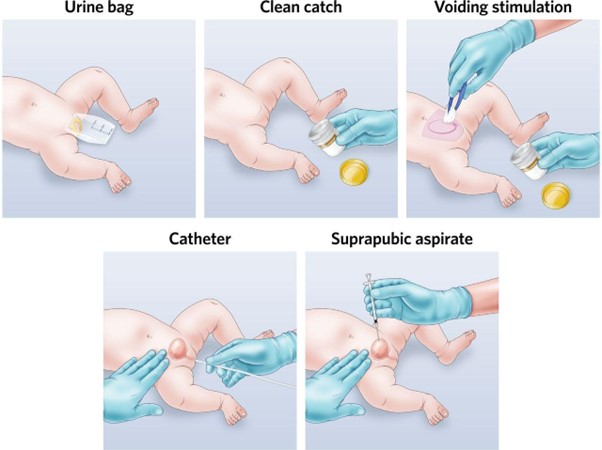
Discarding the first 10 mL of urine is a common practice for obtaining a urine sample for certain tests, but it is not specifically necessary for a urine culture. In a urine culture, the goal is to obtain a sample directly from the bladder to identify any bacteria present, so discarding the initial urine is not necessary.
Choice B reason
Donning sterile gloves prior to the procedure is the appropriate action for the nurse to take. When catheterizing a toddler for a urine culture, it is essential to maintain a sterile procedure to reduce the risk of infection and ensure the safety of the child. Using sterile gloves is a crucial step in preventing contamination during the catheterization process.
Choice C reason
The size of the catheter (12-French) mentioned in option C may not be appropriate for a toddler. The size of the catheter used for a toddler would generally be smaller, depending on the age and size of the child. The appropriate catheter size should be determined based on the child's age and condition.
Choice D reason
EMLA cream is a topical anaesthetic cream used to numb the skin before certain procedures. While it might be appropriate in some cases, it is not typically used for catheterization procedures in toddlers. Catheterization is a quick procedure, and using EMLA cream may not be necessary or practical in this situation.
Correct Answer is A
Explanation
- A mastectomy is a surgical procedure that involves the removal of all or part of the breast, usually to treat breast cancer. A mastectomy can have a significant impact on a woman's physical, emotional, and psychological well-being, as it may affect her body image, self-esteem, sexuality, and identity.
- A mastectomy incision is the wound that results from the surgery, which may vary in size, shape, and location depending on the type and extent of the mastectomy. The incision may be closed with stitches, staples, or glue, and covered with a dressing or bandage.
- The first dressing change is usually done within 24 to 48 hours after the surgery, and it involves removing the old dressing, inspecting the incision for any signs of infection or complications, cleaning the wound, applying a new dressing, and educating the client about wound care .
- When the practical nurse (PN) tells the client that her mastectomy incision is healing well, but the client refuses to look at the incision and refuses to talk about it, this may indicate that the client is experiencing denial, fear, anger, grief, or depression due to the loss of her breast. These are normal and common reactions that may occur at different stages of the recovery process .
- The best response by the PN to the client's silence is to acknowledge and respect the client's feelings, provide support and reassurance, and offer assistance when needed. This will help to establish trust and rapport with the client, as well as promote her coping and adjustment .
- Therefore, option A is the best answer, as it shows empathy and respect for the client's feelings, while also informing the client that the PN will be available when she is ready to look or talk about the mastectomy. Option A also implies that the PN will not pressure or force the client to do something that she is not comfortable with.
- Options B, C, and D are incorrect answers, as they do not show empathy or respect for the client's
feelings, and they may cause more harm than good.
Option B is incorrect because asking another nurse to be present may not address the client's reluctance or
anxiety about looking at her incision.
Option C is incorrect because telling the client that part of recovery is accepting her new body image may
sound insensitive or judgmental, and it may not reflect the client's readiness or willingness to do so.
Option D is incorrect because telling the client that she will feel beter when she sees that the incision is not as bad as she may think may minimize or invalidate the client's feelings, and it may not be true or helpful.
Whether you are a student looking to ace your exams or a practicing nurse seeking to enhance your expertise , our nursing education contents will empower you with the confidence and competence to make a difference in the lives of patients and become a respected leader in the healthcare field.
Visit Naxlex, invest in your future and unlock endless possibilities with our unparalleled nursing education contents today