
A nurse is caring for a client who is 6 hr postoperative following abdominal surgery and is having difficulty voiding. Which of the following actions should the nurse take?
Allow the client to hear running water while attempting to void.
Provide the client a bedpan while lying supine.
Encourage fluid intake up to 1,000 mL daily.
Insert an indwelling urinary catheter and connect it to gravity drainage.
The Correct Answer is A
A. At 6 hours postoperative, difficulty voiding is common due to anesthesia effects and pain. The nurse should begin with noninvasive measures to stimulate urination. Hearing running water can help trigger the micturition reflex and promote voiding safely.
B. Lying supine may make it more difficult for the client to void. Sitting upright or ambulating to the bathroom may be more effective.
C. This is inadequate fluid intake; normal intake is usually 2,000–3,000 mL/day unless restricted. Furthermore, this does not directly address the immediate difficulty voiding.
D. Catheterization should be considered only after other interventions to promote voiding have been attempted and failed, as it carries the risk of infection and discomfort.
Nursing Test Bank
Naxlex Comprehensive Predictor Exams
Related Questions
Correct Answer is D
Explanation
A. Securing electrical wires reduces tripping hazards and promotes safety.
B. Rubber-sole shoes provide better traction and reduce the risk of slips and falls.
C. Reduced visual acuity increases the risk of falls but not as much as taking antihypertensives do.
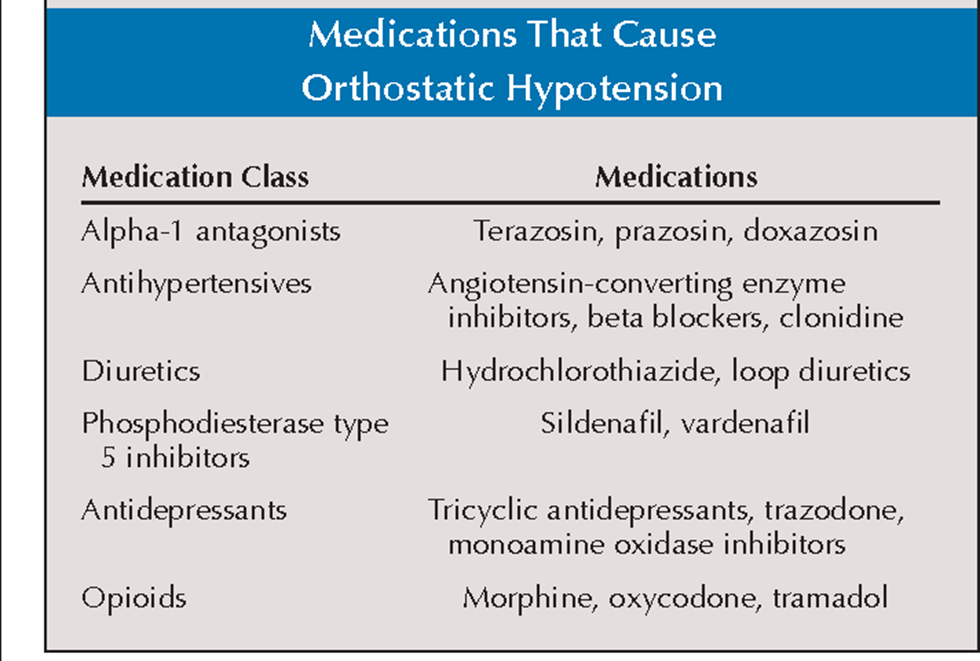
D. Taking an antihypertensive medication can be a potential fall risk, because it can cause hypotension and dizziness.
Correct Answer is D
Explanation
A. This action may increase the risk of injury to both the nurse and the client.
B. This action does not effectively prevent the fall or minimize injury.
C. Moving quickly to a position in front of the client can cause imbalance and increase the risk for falling.
D. Allowing the client to slide down their outstretched leg can help prevent injury to both the client and the nurse.
Whether you are a student looking to ace your exams or a practicing nurse seeking to enhance your expertise , our nursing education contents will empower you with the confidence and competence to make a difference in the lives of patients and become a respected leader in the healthcare field.
Visit Naxlex, invest in your future and unlock endless possibilities with our unparalleled nursing education contents today