
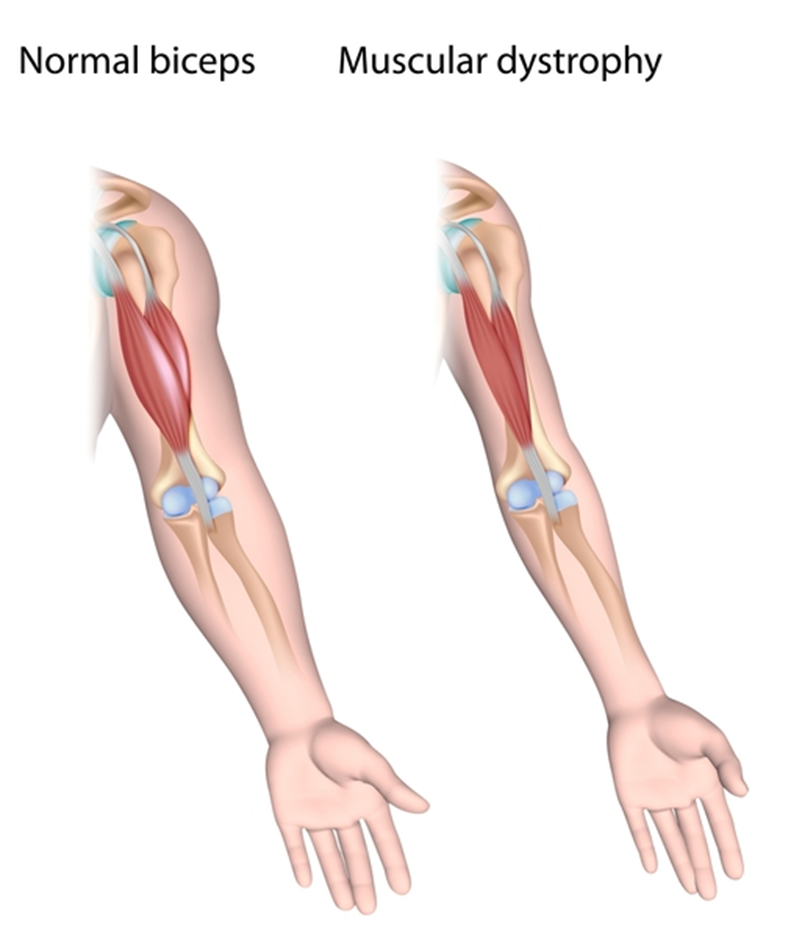
During a home health visit, a school-age child who has muscular dystrophy confides in the nurse that he was struck by his parents. Which of the following actions should the nurse take first?
Report the incident to local authorities
Check the child for injuries
Refer the parent to a social service agency
Enroll the parent in anger management classes
The Correct Answer is B
Choice A reason: Reporting the incident to local authorities is an important action, but it is not the first priority. The nurse should first assess the child's physical condition and provide any necessary care.
Choice B reason: Checking the child for injuries is the first action the nurse should take, as the child may have sustained physical harm from the abuse. The nurse should document any findings and report them to the appropriate authorities.
Choice C reason: Referring the parent to a social service agency is a helpful action, but it is not the first priority. The nurse should first ensure the child's safety and well-being.
Choice D reason: Enrolling the parent in anger management classes is a potential intervention, but it is not the first priority. The nurse should first address the immediate needs of the child and the family.
Nursing Test Bank
Naxlex Comprehensive Predictor Exams
Related Questions
Correct Answer is C
Explanation
Choice A reason: Helping the client apply for Medicare is not the best action by the nurse, as Medicare is a federal health insurance program for people who are 65 or older, disabled, or have end-stage renal disease. The client does not meet any of these criteria and may not be eligible for Medicare.
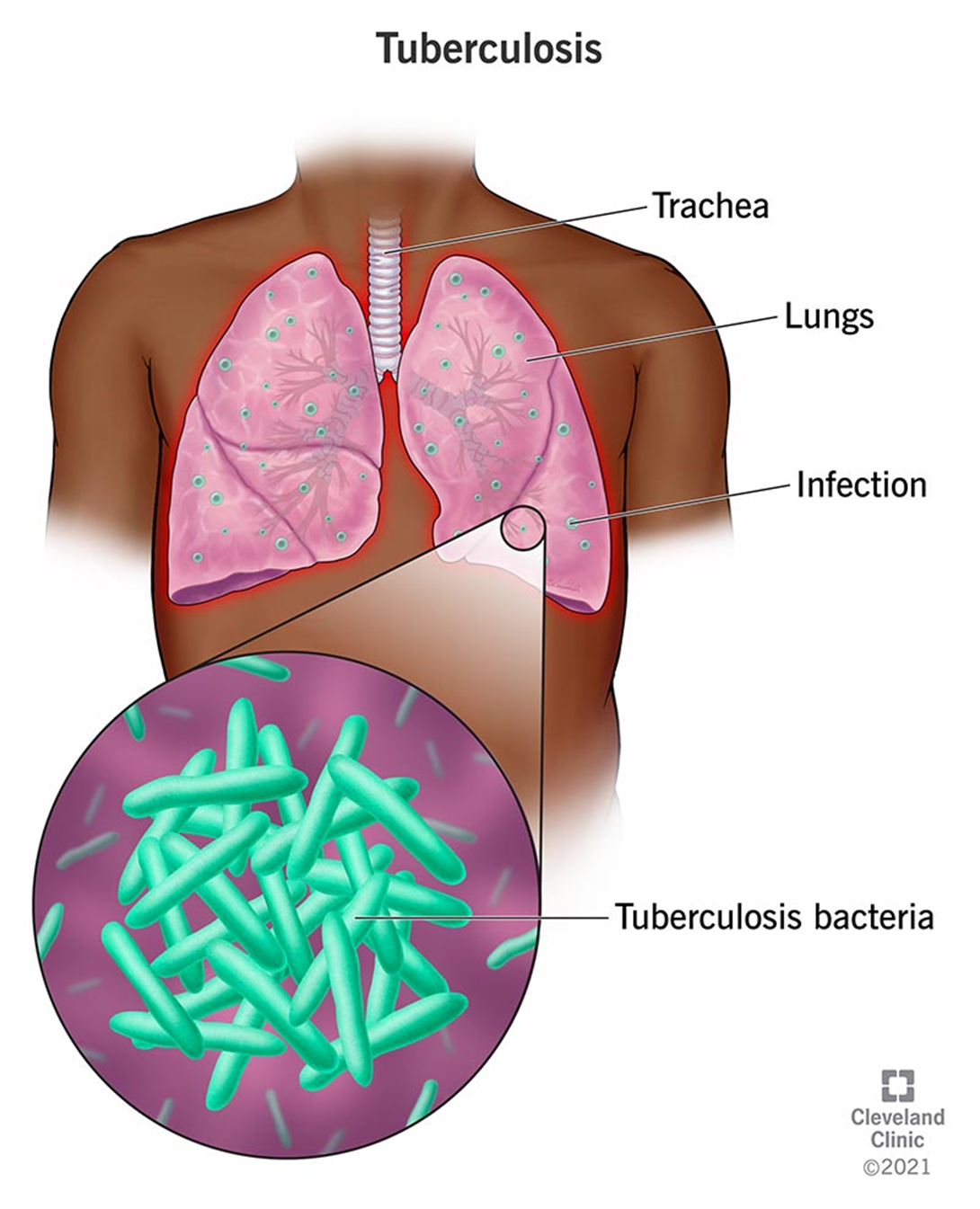
Choice B reason: Exploring options for alternative therapies is not the best action by the nurse, as alternative therapies may not be effective or safe for treating tuberculosis. Tuberculosis is a serious bacterial infection that requires specific antibiotics to cure. Alternative therapies may also interfere with the prescribed medication or cause adverse effects.
Choice C reason: Arranging for medication through local agencies is the best action by the nurse, as it ensures that the client receives the appropriate treatment for tuberculosis. Local agencies may have programs or resources that can help the client access free or low-cost medication. The nurse should also educate the client about the importance of adhering to the medication regimen and completing the course of treatment.
Choice D reason: Sending the client to the nearest facility for further evaluation is not the best action by the nurse, as it may delay the initiation of treatment and increase the risk of transmission of tuberculosis to others. The client already has a diagnosis of tuberculosis and needs to start the treatment as soon as possible. The nurse should also advise the client to wear a mask and avoid close contact with others until the infection is no longer contagious.
Correct Answer is D
Explanation
The correct answer is D.
Caffeinated beverages should be replaced with caffeine-free beverages. High levels of caffeine can cause low birth weight and may increase the chance of miscarriage. Pregnant women metabolize caffeine more slowly, which can affect the fetus.
Choice A reason: The need for supplemental folic acid is greatest during the first trimester to prevent neural tube defects. The recommended daily dose is 600 mcg.
Choice B reason: Adolescent pregnancy is associated with a higher risk of low birth weight infants, not high birth weight.
Choice C reason: Pregnant adolescents generally need to gain an appropriate amount of weight, similar to adult mothers, to support the growth and development of the fetus. The weight gain recommendations during pregnancy are based on the mother's pre-pregnancy BMI.
Whether you are a student looking to ace your exams or a practicing nurse seeking to enhance your expertise , our nursing education contents will empower you with the confidence and competence to make a difference in the lives of patients and become a respected leader in the healthcare field.
Visit Naxlex, invest in your future and unlock endless possibilities with our unparalleled nursing education contents today