
A nurse is assessing an outbreak of mumps among school-age children. Using the epidemiological triangle, the nurse should recognize that which of the following is the host?
The vaccine.
The virus.
The school.
The children.
The Correct Answer is D
Choice A reason: The vaccine is not the host, as it is not a living organism that can be infected by the virus. The vaccine is a preventive measure that can reduce the risk of contracting mumps by stimulating the immune system to produce antibodies against the virus.
Choice B reason: The virus is not the host, as it is the agent that causes the disease. The virus is a microscopic particle that can only replicate inside the cells of a living host.
Choice C reason: The school is not the host, as it is the environment that facilitates the transmission of the virus. The school is a place where many children gather and interact, which increases the exposure and contact with the virus.
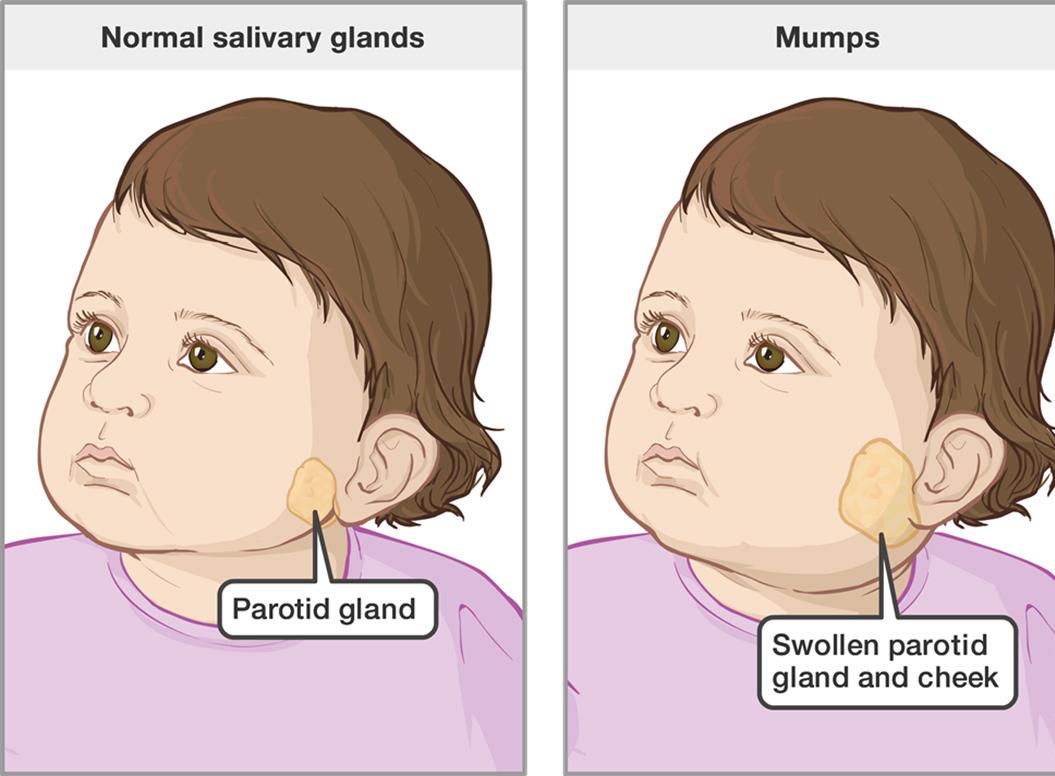
Choice D reason: The children are the host, as they are the living organisms that can be infected by the virus. The children are susceptible to the virus because they may not have been vaccinated or have not developed immunity from previous exposure. The children can also spread the virus to others through respiratory droplets or saliva.
Nursing Test Bank
Naxlex Comprehensive Predictor Exams
Related Questions
Correct Answer is B
Explanation
Choice A reason: This comment does not indicate rationalization, but rather a recognition of the consequences of obesity. The client may be expressing a need for help or motivation to change their lifestyle.
Choice B reason: This comment indicates rationalization, which is a defense mechanism that involves making excuses or justifying one's behavior or situation. The client may be avoiding personal responsibility or denying the possibility of change by blaming their obesity on their genes.
Choice C reason: This comment does not indicate rationalization, but rather a challenge or barrier that the client faces in achieving their health goals. The client may be acknowledging their weakness or seeking support to overcome their temptation.
Choice D reason: This comment does not indicate rationalization, but rather a projection or displacement of the client's negative feelings onto others. The client may be feeling insecure or rejected because of their obesity, and assuming that others share the same opinion.
Correct Answer is D
Explanation
Choice A reason: Bradycardia is not a manifestation of alcohol withdrawal, but rather a sign of low heart rate. Alcohol withdrawal typically causes tachycardia, or high heart rate, as the body tries to compensate for the sudden absence of alcohol.
Choice B reason: Hypothermia is not a manifestation of alcohol withdrawal, but rather a sign of low body temperature. Alcohol withdrawal typically causes hyperthermia, or high body temperature, as the body reacts to the withdrawal symptoms.
Choice C reason: Increased appetite is not a manifestation of alcohol withdrawal, but rather a sign of hunger or craving. Alcohol withdrawal typically causes decreased appetite, or anorexia, as the body loses interest in food and suffers from nausea and vomiting.
Choice D reason: Insomnia is a manifestation of alcohol withdrawal, and one of the most common and distressing symptoms. Alcohol withdrawal causes insomnia, or difficulty falling or staying asleep, as the body experiences anxiety, agitation, and nightmares.
Whether you are a student looking to ace your exams or a practicing nurse seeking to enhance your expertise , our nursing education contents will empower you with the confidence and competence to make a difference in the lives of patients and become a respected leader in the healthcare field.
Visit Naxlex, invest in your future and unlock endless possibilities with our unparalleled nursing education contents today