
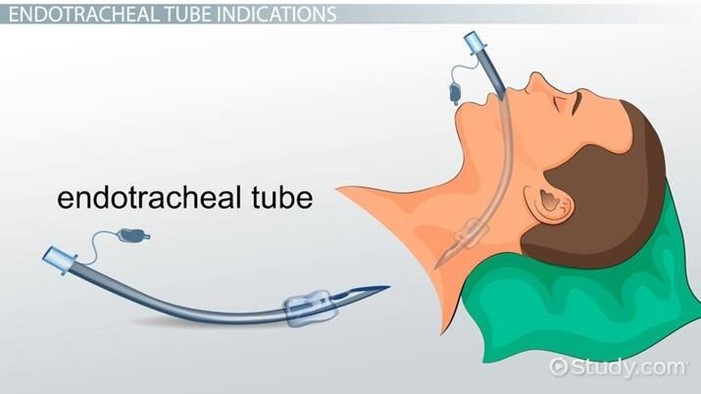
A nurse is caring for a client who is receiving mechanical ventilation via an endotracheal tube. Which of the following actions should the nurse take?
Monitor the client's vital signs every 8 hours
Reposition the endotracheal tube every 12 hours.
Place the client in a supine position.
Perform oral care every 2 hours
The Correct Answer is D
Performing oral care every 2 hours is an important nursing intervention for a client receiving mechanical ventilation via an endotracheal tube. This helps to reduce the risk of ventilator-associated pneumonia.
a) Monitoring the client's vital signs is important, but it should be done more frequently than every 8 hours.
b) Repositioning the endotracheal tube is not necessary unless there is a specific indication.
c) Placing the client in a supine position is not recommended as it increases the risk of aspiration.
Nursing Test Bank
Naxlex Comprehensive Predictor Exams
Related Questions
Correct Answer is C
Explanation
To elicit the Moro reflex, the nurse should clap hands after laying the newborn on a flat surface. The Moro reflex, also known as the startle reflex, is an involuntary motor response that infants develop shortly after birth. Loud noises and sudden movements can trigger a baby’s Moro reflex.
Option a is incorrect because turning the newborn's head quickly to one side while they are sleeping may not elicit the Moro reflex.
Option b is incorrect because placing a finger in the newborn's palm may elicit the grasp reflex, not the Moro reflex.
Option d is incorrect because holding the newborn upright with one foot touching the crib surface may not elicit the Moro reflex.

Correct Answer is D
Explanation
A client with heart failure should limit their sodium intake. Bottled salad dressings can be high in sodium, so replacing them with homemade vinegar and oil dressing can help reduce sodium intake.
The other options are not recommended for a client with heart failure who needs to limit their sodium intake.
a) Prepared frozen dinners are often high in sodium.
b) Adding salt when preparing a meal would increase sodium intake.
c) Imitation crab and lobster products (option can also be high in sodium.
Whether you are a student looking to ace your exams or a practicing nurse seeking to enhance your expertise , our nursing education contents will empower you with the confidence and competence to make a difference in the lives of patients and become a respected leader in the healthcare field.
Visit Naxlex, invest in your future and unlock endless possibilities with our unparalleled nursing education contents today