
A nurse is reviewing client care assignments prior to the beginning of a shift. Which of the following client assignments should the nurse identify as being outside the scope of practice for an LPN?
A client who has a new onset of chest pain
A client who has a tracheostomy
A client who is receiving enteral feedings
A client who has urinary retention
The Correct Answer is A
The nurse should identify that caring for a client who has a new onset of chest pain is outside the scope of practice for an LPN. This is a complex and potentially life-threatening situation that requires the assessment and intervention of a registered nurse (RN) or other advanced practice provider.
b) Caring for a client who has a tracheostomy is within the scope of practice for an LPN.
c) Caring for a client who is receiving enteral feedings is within the scope of practice for an LPN.
d) Caring for a client who has urinary retention is within the scope of practice for an LPN.
Nursing Test Bank
Naxlex Comprehensive Predictor Exams
Related Questions
Correct Answer is C
Explanation
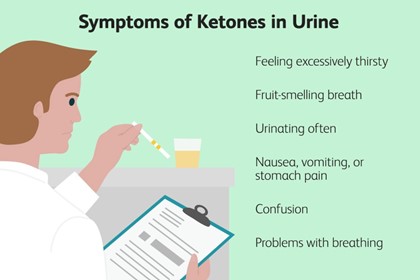
c. Ketones positive.
Explanation:
Ketones in the urine can be an indication of diabetic ketoacidosis (DKA) or other metabolic disorders. It is abnormal and should be reported to the healthcare provider for further evaluation and management. Positive ketones suggest that the body is breaking down fats for energy instead of using glucose, which can be a sign of inadequate insulin levels or utilization.
Options a, b, and d are within normal ranges or do not indicate an immediate concern. A specific gravity of 1.020 is within the normal range and indicates appropriate urine concentration. Uric acid levels of 475 mg/24 hr are not mentioned as abnormal or concerning in the context provided. Nitrites negative indicates the absence of nitrites in the urine, which is a normal finding and indicates the absence of a urinary tract infection.
However, it's important to note that clinical judgment should always be exercised, and the nurse should consider the patient's overall clinical presentation and history when interpreting laboratory results and making decisions regarding reporting to the provider.
Correct Answer is B
Explanation
b. Give directions using simple phrases.
The correct answer is b. Give directions using simple phrases.
Explanation:
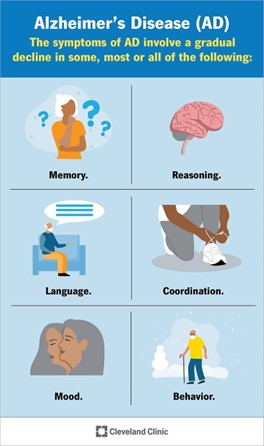
When assisting with the plan of care for a client with Alzheimer's disease, it is important to consider their cognitive impairments and provide appropriate interventions. Giving directions using simple phrases is recommended because it helps the client beter understand and follow instructions. Complex or lengthy directions can be confusing and overwhelming for individuals with Alzheimer's disease. Using clear and concise language can enhance communication and facilitate the client's ability to engage in activities of daily living.
Explanation for the other options:
a. Encourage the client to talk about current events: While social interaction and engagement are beneficial for clients with Alzheimer's disease, their ability to comprehend and discuss current events may be limited due to cognitive impairments. It is important to adapt communication to the client's cognitive abilities and interests.
c. Orient the client to time and place twice per day: Frequent orientation to time and place can be helpful for clients with Alzheimer's disease, but the specific frequency should be based on the individual's needs and preferences. Some individuals may require more frequent orientation, while others may find it overwhelming. The plan of care should be individualized to address the client's specific needs.
d. Rotate assistive personnel to help the client with ADLs: Consistency and familiarity are important for individuals with Alzheimer's disease. Rotating assistive personnel frequently may disrupt the client's routine and cause increased confusion and agitation. Whenever possible, it is best to maintain a consistent caregiving team to provide familiarity and establish a therapeutic relationship with the client.
In summary, giving directions using simple phrases is an appropriate action when assisting with the plan of care for a client with Alzheimer's disease. This approach promotes effective communication and enhances the client's ability to understand and follow instructions.
Whether you are a student looking to ace your exams or a practicing nurse seeking to enhance your expertise , our nursing education contents will empower you with the confidence and competence to make a difference in the lives of patients and become a respected leader in the healthcare field.
Visit Naxlex, invest in your future and unlock endless possibilities with our unparalleled nursing education contents today