
A nurse is caring for a client who is scheduled to have his alanine aminotransferase (ALT) level checked. The client asks the nurse to explain the laboratory test. Which of the following is an appropriate response by the nurse?
"This test is used to check how your kidneys are working."
"This test will indicate if you are at risk for developing blood clots."
"This test will provide information about the function of your liver."
"This test will determine if your heart is performing properly."
The Correct Answer is C
Choice A reason:
ALT is not primarily used to check kidney function. Kidney function is typically assessed through other tests, such as blood urea nitrogen (BUN) and creatinine levels.
Choice B reason:
ALT is not used to assess the risk of blood clots. It is specifically related to liver function.
Choice C reason:
Alanine aminotransferase (ALT) is an enzyme found primarily in the liver. An elevated ALT level in the blood can indicate potential liver damage or disease, so the ALT test is used to assess the function of the liver.
Choice D reason:
ALT is not a test to determine heart performance. Heart function is evaluated using tests such as electrocardiograms (ECGs) or cardiac enzymes.
Nursing Test Bank
Naxlex Comprehensive Predictor Exams
Related Questions
Correct Answer is C
Explanation
Choice A reason:
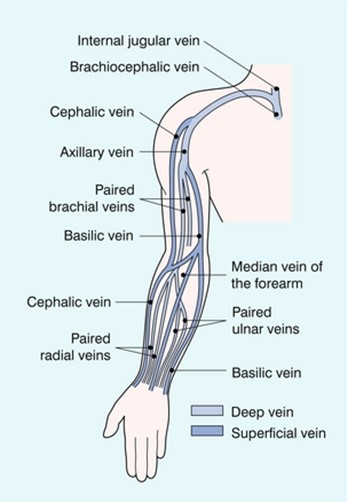
The cephalic vein on the back of the right hand is incorrect because it might still involve the same arm as the mastectomy site, and it is important to avoid this side.
Choice B reason:
The radial vein on the left wrist is incorrect because it is not on the opposite side of the mastectomy and could increase the risk of lymphedema.
Choice C reason:
The basilic vein in the right antecubital fossa is the appropriate answer. When inserting an IV catheter for a client who has undergone a right mastectomy, it is generally advisable to avoid the arm on the same side as the mastectomy due to the risk of lymphedema and impaired lymphatic drainage. The basilic vein in the right antecubital fossa (the inner bend of the right elbow) would be a suitable choice in this case, as it is on the opposite side of the mastectomy.
Choice D reason:
The cephalic vein in the left distal forearm is on the same side as the mastectomy and should be avoided to reduce the risk of complications.
Correct Answer is A
Explanation
Choice A reason:
Delirium is a sudden and acute change in mental status characterized by confusion, disorientation, altered consciousness, and other cognitive disturbances. It has an abrupt onset and is often related to an underlying medical condition, medication, or other factors such as infections or metabolic imbalances.
Choice B reason:
Delirium can indeed affect a client's sleep cycle. It often disrupts sleep patterns and can lead to sleep disturbances
Choice C reason:
Delirium does not have a slow progression. It is typically characterized by a rapid and fluctuating course, and it can develop over hours to days.
Choice D reason:
Delirium does affect a client's perception of their environment. Clients with delirium may experience hallucinations, paranoia, and other alterations in perception. They may be unable to accurately interpret or interact with their surroundings.
Whether you are a student looking to ace your exams or a practicing nurse seeking to enhance your expertise , our nursing education contents will empower you with the confidence and competence to make a difference in the lives of patients and become a respected leader in the healthcare field.
Visit Naxlex, invest in your future and unlock endless possibilities with our unparalleled nursing education contents today