
A nurse is caring for a client who is taking an oral contraceptive. The nurse should instruct the client to report which of the following findings to the provider immediately?
Painful intercourse
Vaginal itching
Persistent headaches
Breast tenderness
The Correct Answer is C
A. Painful intercourse: Painful intercourse can have various causes, but it is not typically associated with serious complications related to oral contraceptives. It may be addressed with the healthcare provider during a routine follow-up.
B. Vaginal itching: Vaginal itching may be due to various reasons, including infections, but it is not typically a direct side effect of oral contraceptives. However, if the itching is persistent or severe, the client should report it to the provider for appropriate evaluation.
C. Persistent headaches: Persistent headaches can be a concerning side effect associated with the use of oral contraceptives. It may indicate an increased risk of vascular events, such as stroke or thrombosis. Clients experiencing persistent headaches while on oral contraceptives should report this symptom to the healthcare provider immediately for further evaluation.
D. Breast tenderness: Breast tenderness is a common side effect of hormonal contraceptives, and it is not typically an emergency or a sign of serious complications. However, if the breast tenderness is severe or associated with other concerning symptoms, the client should contact the provider for guidance.
Nursing Test Bank
Naxlex Comprehensive Predictor Exams
Related Questions
Correct Answer is B
Explanation
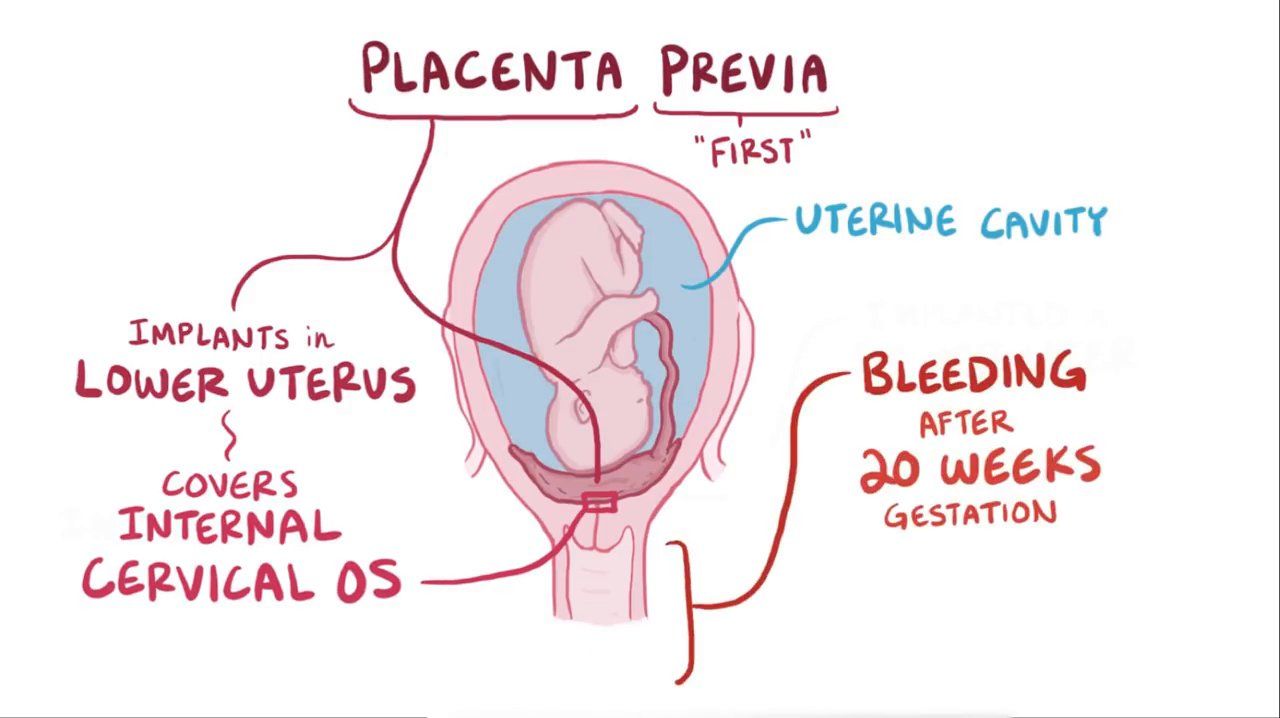
A. Firm rigid abdomen: A firm and rigid abdomen is more indicative of uterine hypertonicity or uterine hyperstimulation, which is not typically associated with placenta previa. It may be seen in conditions such as uterine rupture.
B. Painless vaginal bleeding: Placenta previa is a condition where the placenta partially or completely covers the cervix, leading to painless vaginal bleeding. This bleeding occurs because as the cervix begins to dilate and efface in preparation for labor, blood vessels in the placenta may rupture, causing bleeding. Importantly, this bleeding is typically painless and can be sudden and profuse.
C. Uterine hypertonicity: Uterine hypertonicity refers to excessive, uncoordinated uterine contractions. Placenta previa is not generally associated with uterine hypertonicity; instead, it is more commonly linked with uterine relaxation and potential bleeding during contractions.
D. Persistent headache: A persistent headache is not a typical finding in placenta previa. However, it could be associated with conditions like preeclampsia, which might coexist with placenta previa but is a separate concern.
Correct Answer is B
Explanation
A. Urinary output 40 mL/hr: Decreased urinary output can be an indicator of inadequate fluid intake or other issues, but it is not a specific sign of hemorrhage.
B. Blood pressure 88/40 mm Hg: This is the correct answer. A low blood pressure, especially with a low diastolic pressure, can be indicative of hypovolemic shock, which may result from postpartum hemorrhage. Hemorrhage leads to a decrease in circulating blood volume, causing a drop in blood pressure.
C. Moderate rubra lochia: Lochia is the normal vaginal discharge experienced after childbirth, and moderate rubra lochia is considered within the expected range for the early postpartum period. It is not a specific sign of hemorrhage.
D. Heart rate 90/min: A heart rate of 90 beats per minute is within the normal range for a postpartum client and may not be a specific sign of hemorrhage. However, an increase in heart rate could be an early indicator of hypovolemia due to hemorrhage.
Whether you are a student looking to ace your exams or a practicing nurse seeking to enhance your expertise , our nursing education contents will empower you with the confidence and competence to make a difference in the lives of patients and become a respected leader in the healthcare field.
Visit Naxlex, invest in your future and unlock endless possibilities with our unparalleled nursing education contents today