
A nurse is caring for a client who speaks a different language than the nurse. The client's partner tells the nurse that the client would like to go home against medical advice (AMA).
Which of the following actions should the nurse take?
Have the client's partner sign an AMA form
Discharge the client and notify the health care provider.
Ask the partner to reiterate the consequences of leaving AMA to the client.
Request the services of an interpreter to determine the client's wishes.
The Correct Answer is D
Effective communication with the client is crucial to understand their desires and provide appropriate care. When faced with a language barrier, it is important to use professional interpreter services to ensure accurate and clear communication. By requesting an interpreter, the nurse can obtain a clear understanding of the client's wishes and concerns regarding leaving AMA.
Without clear communication with the client, it is not appropriate to assume that the partner can make decisions on their behalf or sign an AMA form. It is important to directly ascertain the client's wishes.
Discharging the client without understanding their wishes and providing appropriate education or interventions could potentially put the client at risk. It is necessary to have a clear understanding of the client's desires before taking any action.
Asking the partner to reiterate the consequences of leaving AMA to the client: While educating the client and their partner about the consequences of leaving AMA is important, it is not sufficient in this situation. The nurse needs to directly communicate with the client to understand their wishes and concerns.
Nursing Test Bank
Naxlex Comprehensive Predictor Exams
Related Questions
Correct Answer is B
Explanation
As a nurse, the intervention that should be recommended is encouraging the client to take frequent walks during the day. This will help the client expend some energy and reduce the restlessness that could be causing the sleep disturbance at night.
The other options are not recommended because barbiturate medications can cause excessive sedation, allowing the client to nap for at least 1 hour during the day can interfere with their ability to sleep at night, and putting a lock on the client's door can be a safety risk in case of an emergency.
Correct Answer is B
Explanation
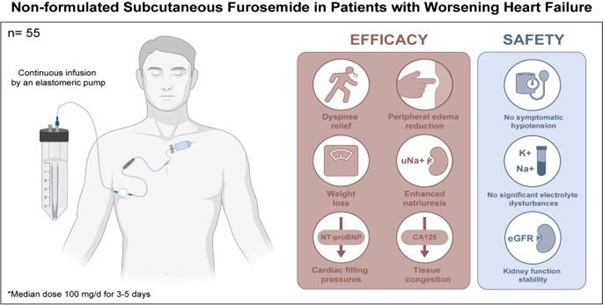
Furosemide is a diuretic medication that helps remove excess fluid from the body by increasing urine production and output. In a client with heart failure, one of the indicators that the medication is effective is an increase in urinary output. This can help reduce fluid buildup in the body, which can improve symptoms of heart failure.
Whether you are a student looking to ace your exams or a practicing nurse seeking to enhance your expertise , our nursing education contents will empower you with the confidence and competence to make a difference in the lives of patients and become a respected leader in the healthcare field.
Visit Naxlex, invest in your future and unlock endless possibilities with our unparalleled nursing education contents today