
A nurse is assisting with a prenatal examination of a client who is at 8 weeks of gestation. The nurse notes that the client's vagina and vulva are a purplish color. The nurse should document this finding as which of the following?
Ballottement
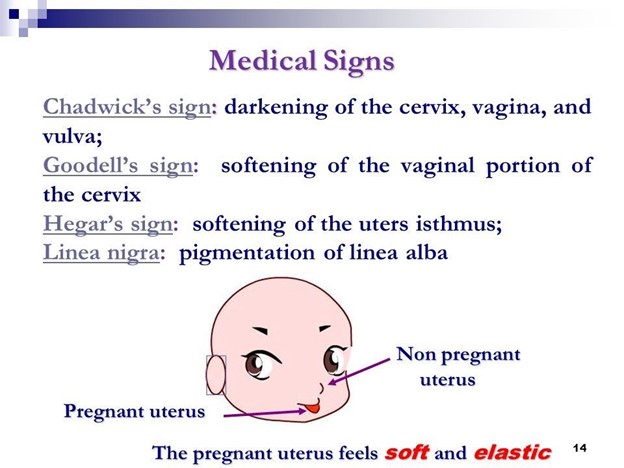
Chadwick's sign
Hegar's sign
Chloasma
The Correct Answer is B
Chadwick's sign is a bluish or purplish discoloration of the cervix, vagina, and vulva that can occur during pregnancy. It is caused by increased blood flow and vascular changes in the area. It is considered a normal finding in early pregnancy and is often used as a sign to support the diagnosis of pregnancy.
Ballottement refers to a palpable rebound of the fetus when the examiner pushes on the mother's abdomen.
Hegar's sign is the softening and compressibility of the lower uterine segment, which can be felt during a bimanual examination.
Chloasma refers to the development of hyperpigmented patches on the face, often referred to as the "mask of pregnancy."
Nursing Test Bank
Naxlex Comprehensive Predictor Exams
Related Questions
Correct Answer is A
Explanation
Alcohol withdrawal can often lead to an increase in blood pressure. The autonomic nervous system becomes hyperactive during withdrawal, resulting in increased sympathetic activity, which can elevate blood pressure.
Constipation is not typically associated with alcohol withdrawal. However, chronic alcohol use can affect the gastrointestinal system and lead to digestive issues, including diarrhea or gastrointestinal bleeding.
Polyuria, which refers to excessive urination, is not a typical manifestation of alcohol withdrawal. However, alcohol use can affect fluid balance and lead to changes in urination patterns.
Bradycardia, or a slow heart rate, is not a common manifestation of alcohol withdrawal. Instead, tachycardia (an increased heart rate) is more commonly observed during withdrawal due to the hyperactivity of the autonomic nervous system.
Correct Answer is C
Explanation
A.Sodium restriction is a key component in the management of ascites, as it helps to reduce fluid retention. However, the standard recommendation for sodium intake in ascites management is typically lower than 3 grams per day. The guideline is often around 2 grams or even less to effectively manage ascites. Thus, while the concept is correct, the specific amount in this option is slightly higher than usually recommended.
B.This is not generally recommended for clients with ascites. Lying flat can increase discomfort and pressure on the diaphragm, making breathing more difficult. Instead, positioning the client in a semi-Fowler's or Fowler's position can help alleviate respiratory distress by reducing pressure on the diaphragm.
C. This is a crucial intervention. Measuring abdominal girth daily provides a reliable way to monitor changes in the size of the abdomen, which reflects changes in the amount of ascitic fluid. It helps in assessing the effectiveness of treatment and detecting any rapid accumulation of fluid that might require intervention.
D.While protein restriction was traditionally recommended to prevent hepatic encephalopathy, more recent guidelines suggest that moderate protein intake should be maintained unless the client has severe hepatic encephalopathy. Adequate protein intake is necessary to prevent muscle wasting and support liver function, and it should generally be individualized based on the client’s condition.
Whether you are a student looking to ace your exams or a practicing nurse seeking to enhance your expertise , our nursing education contents will empower you with the confidence and competence to make a difference in the lives of patients and become a respected leader in the healthcare field.
Visit Naxlex, invest in your future and unlock endless possibilities with our unparalleled nursing education contents today