
A nurse is caring for a group of clients who are receiving physical therapy. Which of the following information regarding a client should the nurse report to the physical therapist?
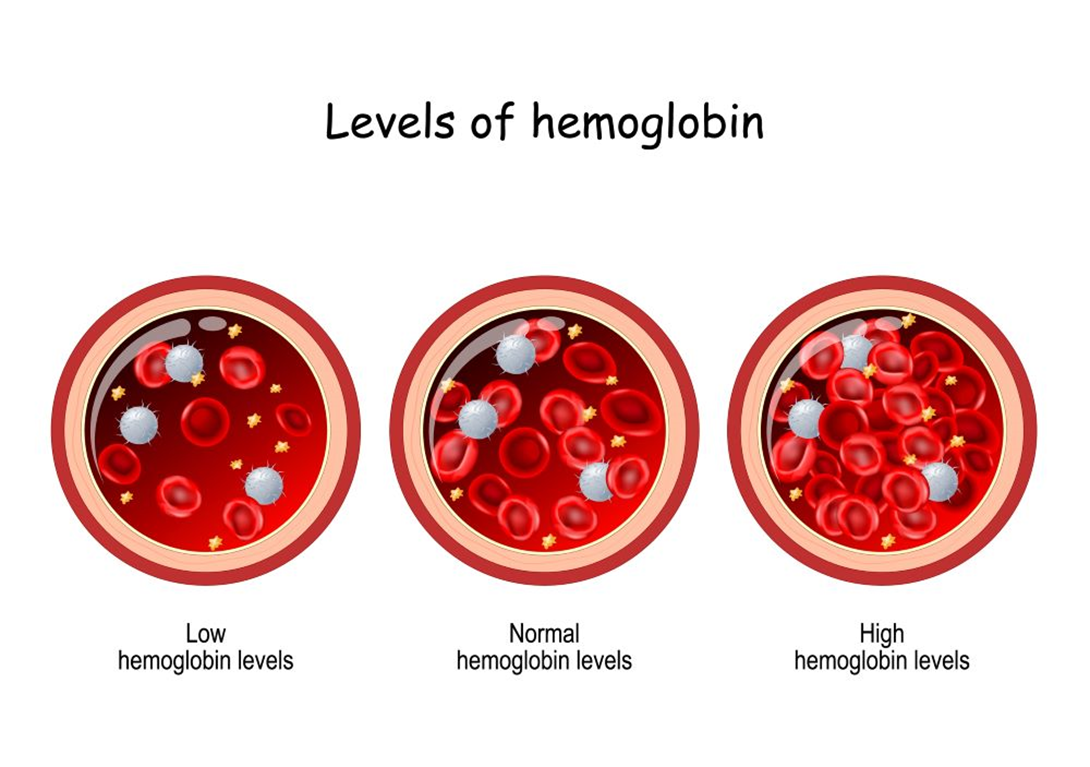
A client has a hemoglobin of 5 g/dL.
A client has a prescription for a clean-catch urine test.
A client has opioid-induced constipation.
A client has a new diagnosis of colorectal cancer.
The Correct Answer is A
Choice A reason: This is the correct choice because this information is relevant and important for the physical therapist. A hemoglobin of 5 g/dL indicates severe anemia, which can cause fatigue, weakness, shortness of breath, and palpitations. The physical therapist should be aware of the client's condition and adjust the therapy accordingly. The physical therapist should also monitor the client's vital signs, oxygen saturation, and tolerance to activity.
Choice B reason: This is not the correct choice because this information is not relevant or important for the physical therapist. A clean-catch urine test is a diagnostic test that requires the client to collect a midstream urine sample in a sterile container. The physical therapist does not need to know about this test or its results, as it does not affect the client's physical therapy.
Choice C reason: This is not the correct choice because this information is not relevant or important for the physical therapist. Opioid-induced constipation is a side effect of opioid medications that can cause abdominal pain, bloating, and difficulty passing stools. The physical therapist does not need to know about this condition or its treatment, as it does not affect the client's physical therapy.
Choice D reason: This is not the correct choice because this information is not relevant or important for the physical therapist. A new diagnosis of colorectal cancer is a serious and life-changing condition that requires medical and surgical interventions. The physical therapist does not need to know about this diagnosis or its prognosis, as it does not affect the client's physical therapy.
Nursing Test Bank
Naxlex Comprehensive Predictor Exams
Related Questions
Correct Answer is A
Explanation
Choice A reason: This statement is correct, as hospice care provides comprehensive and compassionate care for clients who have a life expectancy of six months or less. Hospice care involves a team of health care professionals, such as physicians, nurses, social workers, chaplains, and volunteers, who address the physical, emotional, social, and spiritual needs of the client and their family.
Choice B reason: This statement is incorrect, as hospice care is not intended for clients at various stages of chronic illness. Hospice care is only for clients who are terminally ill and have decided to forego curative or aggressive treatments.
Choice C reason: This statement is incorrect, as hospice care does not prolong the life expectancy of clients who are terminally ill. Hospice care focuses on improving the quality of life and comfort of the client, not on extending their life span.
Choice D reason: This statement is incorrect, as hospital access is still available for clients who are in hospice care. Hospice care can be provided in various settings, such as the client's home, a hospice facility, a nursing home, or a hospital. Clients who are in hospice care can still be admitted to the hospital if they need acute care or symptom management.
Correct Answer is B
Explanation
Choice A reason: This is not the correct choice because an increase in serosanguineous exudate (a mixture of blood and clear fluid) from a client's wound indicates infection, inflammation, or trauma to the wound. This is a sign of wound deterioration, not healing.
Choice B reason: This is the correct choice because a deep red color on the center of a client's wound indicates granulation tissue, which is new tissue that forms during the healing process. Granulation tissue fills the wound bed and provides a foundation for epithelialization (the growth of new skin over the wound).
Choice C reason: This is not the correct choice because erythema (redness) on the skin surrounding a client's wound indicates irritation, inflammation, or infection of the skin. This is a sign of wound complication, not healing.
Choice D reason: This is not the correct choice because inflammation on the tissue edges of a client's wound indicates infection, trauma, or necrosis (death) of the tissue. This is a sign of wound impairment, not healing.
Whether you are a student looking to ace your exams or a practicing nurse seeking to enhance your expertise , our nursing education contents will empower you with the confidence and competence to make a difference in the lives of patients and become a respected leader in the healthcare field.
Visit Naxlex, invest in your future and unlock endless possibilities with our unparalleled nursing education contents today