
A nurse is collecting data from a client who has substance use disorder and reports recently taking opioids.
Which of the following findings should the nurse identify as a manifestation of opioid intoxication?
Tachycardia
Mental alertness
Hyperreflexia
Pinpoint pupils
The Correct Answer is D
d. Pinpoint pupils.
Explanation:
Opioid intoxication is characterized by various signs and symptoms, including central nervous system depression. One common manifestation of opioid intoxication is pinpoint pupils (miosis), which is caused by the effect of opioids on the pupillary constrictor muscles. The pupils become constricted and appear as small dots, hence the term "pinpoint."
The other options are not typical manifestations of opioid intoxication. Tachycardia (rapid heart rate) is more commonly associated with stimulant use rather than opioids. Mental alertness is typically reduced in cases of opioid intoxication, as opioids cause sedation and CNS depression. Hyperreflexia (exaggerated reflexes) is not a typical finding in opioid intoxication; instead, it may occur in withdrawal from certain substances such as alcohol or benzodiazepines.
Nursing Test Bank
Naxlex Comprehensive Predictor Exams
Related Questions
Correct Answer is B
Explanation
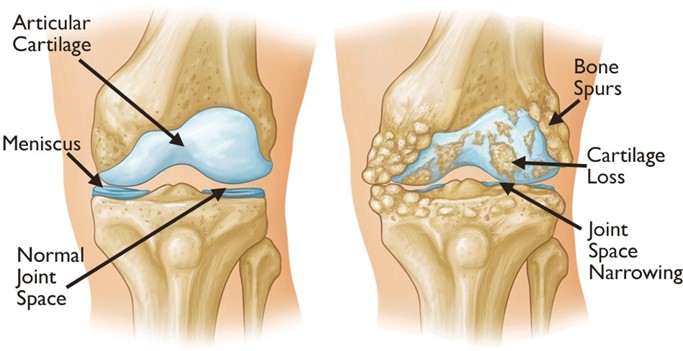
Applying heat to the affected joints can help relieve pain and stiffness. A heating pad or warm compress can be used to apply heat to the hands.
The other options are not correct because:
a) Sleeping on a soft mattress is not mentioned as a way to manage osteoarthritis symptoms.
b) Aspirin should be taken with food or milk to reduce stomach irritation.
c) Exercising inflamed joints excessively can worsen symptoms. It is important to balance rest and activity.
Correct Answer is C
Explanation
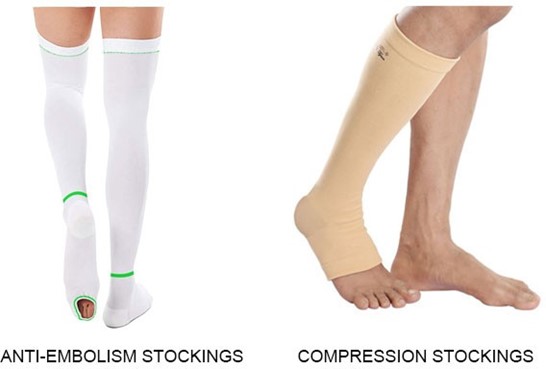
Elevating the legs helps to reduce swelling and promotes venous return, which is beneficial for a client with phlebitis. This action improves circulation and aids in preventing the formation of blood clots.
Rolls the extra stocking material down to the client's knee: This action is incorrect because elastic antiembolic stockings should be applied evenly and smoothly without any excess material. Rolling down the extra material can create folds and wrinkles, which can compromise the effectiveness of the stockings and potentially cause discomfort or impaired circulation.
Massages the legs before applying the stockings: Massaging the legs before applying antiembolic stockings is not recommended. Massaging can stimulate blood flow and may dislodge any existing blood clots, posing a risk of embolism. It is important to handle the legs gently and avoid any aggressive or manipulative actions that can disturb the clots.
Positions the client in a chair before applying the stockings: Positioning the client in a chair before applying antiembolic stockings is not the correct action. It is preferable to have the client lie flat in a supine position, with the legs elevated, while applying the stockings. Lying flat helps improve venous return and ensures proper alignment and positioning of the stockings.
Whether you are a student looking to ace your exams or a practicing nurse seeking to enhance your expertise , our nursing education contents will empower you with the confidence and competence to make a difference in the lives of patients and become a respected leader in the healthcare field.
Visit Naxlex, invest in your future and unlock endless possibilities with our unparalleled nursing education contents today