
A nurse is reinforcing teaching about breastfeeding with the mother of a full-term newbornwho is 5 days old.
Which of the following statements by the mother indicates an understandingof the teaching?
My baby should breastfeed 5 to 10 minutes on each breast.
I should not wake my baby during the night to breastfeed.
I should keep my baby on a strict feeding schedule.
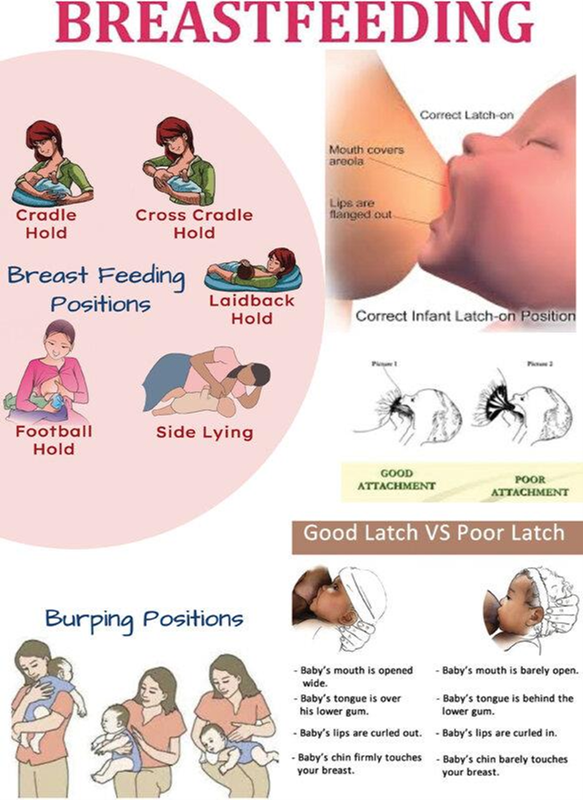
I should have my baby latch on to my nipple and areola during feeding.
The Correct Answer is D
Having the baby latch on to both the nipple and areola during breastfeeding is essential for effective milk transfer and optimal breastfeeding. The baby should take in a good portion of the areola along with the nipple to ensure a proper latch and a comfortable feeding experience for both the mother and the baby. This allows the baby to obtain enough milk and stimulates milk production in the mother.
Let's briefly discuss the other statements:
A- "My baby should breastfeed 5 to 10 minutes on each breast": The duration of breastfeeding can vary from baby to baby, but it is generally recommended to allow the baby to breastfeed until they are satisfied and have emptied one breast before switching to the other breast. This ensures that the baby receives both the foremilk and the hindmilk, which are important for adequate nutrition.
B- "I should not wake my baby during the night to breastfeed": In the early days after birth, it is important to establish frequent and regular breastfeeding to support milk production and ensure the baby receives enough nourishment. Newborns typically need to breastfeed at least 8 to 12 times in 24 hours, including during the night. If the baby is sleeping for a long period, it may be necessary to wake them for feeding to ensure proper nutrition and hydration.
C- "I should keep my baby on a strict feeding schedule": Breastfeeding should be based on the baby's cues and demand rather than a strict schedule. Newborns should be breastfed whenever they show hunger signs, such as rooting, sucking motions, or increased alertness. This helps establish a good milk supply and allows the baby to feed according to their individual needs.
Nursing Test Bank
Naxlex Comprehensive Predictor Exams
Related Questions
Correct Answer is A
Explanation
Explanation:
A nasal cannula is a device used to deliver supplemental oxygen to a client. It consists of two prongs that are inserted into the client's nostrils and connected to an oxygen source. The nasal cannula is commonly used for low-flow oxygen delivery at a rate of 1 to 2 liters per minute (L/min).
The other options mentioned are not necessary supplies for the client upon discharge:
B- Petroleum jelly is not directly related to oxygen therapy and is not a required supply for the client. It is a common topical ointment used for various purposes such as moisturizing the skin or protecting the lips, but it is not specifically needed for oxygen administration.
C- An oxygen mask is an alternative device for oxygen delivery but is not typically used at a flow rate of 1 to 2 L/min. Oxygen masks are usually employed for higher flow rates or in specific clinical situations that require a different oxygen delivery method.
D- A reservoir bag is a component of some oxygen delivery systems, such as a non-rebreather mask or a bag-valve-mask device. However, at a flow rate of 1 to 2 L/min, a reservoir bag is not typically used. It is more commonly utilized in situations where higher oxygen concentrations or higher flow rates are required.
Correct Answer is C
Explanation
a.Applying the restraint under the client's clothes: Restraints should be applied over the client's clothes to avoid direct skin contact and reduce the risk of skin irritation or injury.
b.Tying the restraint to the railing of the client's bed: Restraints should not be tied to bed rails or any other fixed objects. This can increase the risk of injury to the client and should be avoided.
c.Placing the client in a sitting position is appropriate when applying a belt restraint, as it helps prevent respiratory compromise and allows the client to maintain a safer and more comfortable posture.
d.A belt restraint should be placed around the client's waist, not across the chest, to avoid restricting breathing.
Whether you are a student looking to ace your exams or a practicing nurse seeking to enhance your expertise , our nursing education contents will empower you with the confidence and competence to make a difference in the lives of patients and become a respected leader in the healthcare field.
Visit Naxlex, invest in your future and unlock endless possibilities with our unparalleled nursing education contents today