
A nurse is developing a plan of care for a client who has a fracture to achieve the outcome of functional healing. To assist in meeting this goal, which of the following nursing interventions is the highest priority?
Provide optimal nutrition and hydration.
Provide relief from pain and discomfort.
Maintain immobilization and alignment.
Promote independence in activities of daily living.
The Correct Answer is C
C. Maintaining immobilization and alignment of the fractured bone is essential for allowing the bone to heal properly. Immobilization prevents further injury and displacement of the fracture fragments, while proper alignment ensures optimal bone healing and functional outcomes.
A. Optimal nutrition and hydration may not be the highest priority compared to other interventions that directly address the fracture management and functional healing.
B. Providing relief from pain and discomfort is crucial for the client's comfort and well-being, but it may not be the highest priority in achieving functional healing.
D. Promoting independence in activities of daily living is important for the client's overall well-being and quality of life, but it may not be the highest priority immediately after a fracture.
Nursing Test Bank
Naxlex Comprehensive Predictor Exams
Related Questions
Correct Answer is D
Explanation
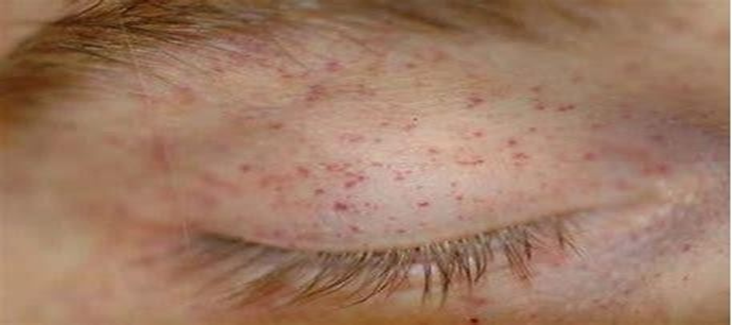
D. Petechiae, which are small red or purple spots caused by bleeding under the skin, are a classic manifestation of fat embolism syndrome. They typically appear on the upper chest, axilla (armpit), and conjunctiva of the eyes. Petechiae result from the occlusion of small blood vessels by fat globules, leading to microvascular bleeding.
A Paresthesia distal to the fracture site is not a typical manifestation of fat embolism syndrome. Instead, paresthesia may suggest nerve compression or injury related to the fracture itself rather than fat emboli.
B Fever is not a specific manifestation of fat embolism syndrome. While fever can occur with various types of infections or inflammatory conditions, it is not a hallmark symptom of fat embolism.
C Swelling of the calf can occur with conditions such as deep vein thrombosis (DVT), which is a potential complication of lower limb fractures. However, it is not a typical manifestation of fat embolism syndrome.
Correct Answer is D
Explanation
D. Quadriceps setting exercises help strengthen the quadriceps muscles, which play a crucial role in knee stability and function. These exercises can be initiated early in the postoperative period and are typically part of the rehabilitation program following a partial meniscectomy.
A. Full weight bearing may place excessive stress on the knee joint and hinder the healing process.
B. Heat therapy is generally not recommended immediately after a partial meniscectomy. Heat can increase blood flow and swelling, which may exacerbate pain and inflammation in the early postoperative period.
C. Range of motion (ROM) exercises help prevent stiffness and promote flexibility in the knee joint after surgery. However, these exercises should not be initiated immediately.
Whether you are a student looking to ace your exams or a practicing nurse seeking to enhance your expertise , our nursing education contents will empower you with the confidence and competence to make a difference in the lives of patients and become a respected leader in the healthcare field.
Visit Naxlex, invest in your future and unlock endless possibilities with our unparalleled nursing education contents today