
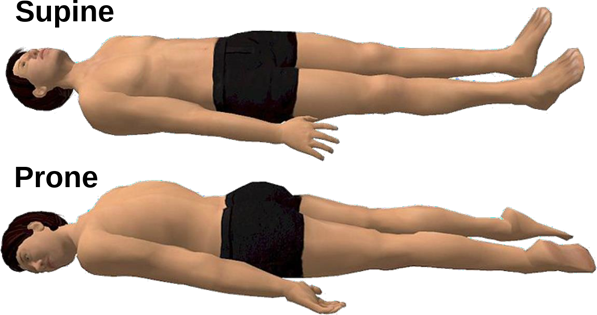
A nurse is helping to place a client into the prone position.
The nurse should use a small pillow to relieve pressure from which of the following areas of the client's body?
Heels
Coccyx
Occiput
Breasts
The Correct Answer is D
Nursing Test Bank
Naxlex Comprehensive Predictor Exams
Related Questions
Correct Answer is D
Explanation
A.This statement reflects the client's emotional response to their condition, which is important to address, but it does not indicate a need for immediate medical intervention.
B.Psoriasis is a chronic skin condition characterized by the rapid buildup of skin cells, resulting in thick, red, scaly patches on the skin. Treatment for psoriasis often involves the use of topical medications that are applied to the affected areas. This is a good practice. Old medication should be removed before applying a new dose to ensure the effectiveness of the treatment.
C.This is a reasonable practice as some fabric softeners may contain ingredients that can irritate sensitive skin, including the skin affected by psoriasis. Avoiding fabric softeners or using hypoallergenic alternatives can help reduce potential irritation.
D.Sunlight exposure can actually be beneficial for clients with psoriasis, as ultraviolet (UV) light can help reduce the growth of skin cells and alleviate symptoms. If the client is limiting their sunlight exposure, they might be missing out on a potential therapeutic benefit. However, it is important to balance sun exposure and avoid overexposure to prevent skin damage.
Correct Answer is C
Explanation
Dementia is characterized by progressive memory impairment, including difficulty remembering recent events, names, and familiar faces. This memory loss can significantly impact the client's ability to perform daily tasks independently.
While dementia is typically a chronic and progressive condition, it is not uncommon for individuals with dementia to experience acute episodes of confusion, often referred to as "sundowning." These episodes tend to occur in the late afternoon or evening and can involve increased agitation, restlessness, and disorientation.
Illusions are perceptual distortions where a person misinterprets real sensory stimuli. In dementia, individuals may experience illusions, such as mistaking a coat hanging on a door for a person or misinterpreting shadows as threatening figures.
Catatonia, characterized by immobility and unresponsiveness, is not typically associated with dementia. It is more commonly seen in conditions such as schizophrenia or certain neurological disorders.
Whether you are a student looking to ace your exams or a practicing nurse seeking to enhance your expertise , our nursing education contents will empower you with the confidence and competence to make a difference in the lives of patients and become a respected leader in the healthcare field.
Visit Naxlex, invest in your future and unlock endless possibilities with our unparalleled nursing education contents today