
A nurse is obtaining a weekly weight for a client who has obesity and osteoarthritis and is on a weight management program. The nurse determines that the client gained 1.36 kg (3 lb) in the past week. Which of the following statements should the nurse make?
“You should try a little harder to stick to your diet.”
“Why do you think you've gained 3 pounds this week?”
“Were there any issues last week that kept you from focusing on your diet?”
“You should put this week behind you and adhere to your diet from this point forward.”
The Correct Answer is C
Choice A reason: This statement is judgmental and discouraging. It implies that the client is not making enough effort and does not acknowledge the possible challenges or barriers that the client may face.
Choice B reason: This statement is accusatory and confrontational. It puts the blame on the client and does not offer any support or guidance.
Choice C reason: This statement is empathetic and supportive. It shows that the nurse is interested in the client's situation and wants to help them identify and overcome any obstacles that may have affected their weight loss.
Choice D reason: This statement is unrealistic and dismissive. It does not address the reasons for the weight gain and does not help the client learn from their experience. It also ignores the emotional impact of the setback.
Nursing Test Bank
Naxlex Comprehensive Predictor Exams
Related Questions
Correct Answer is B
Explanation
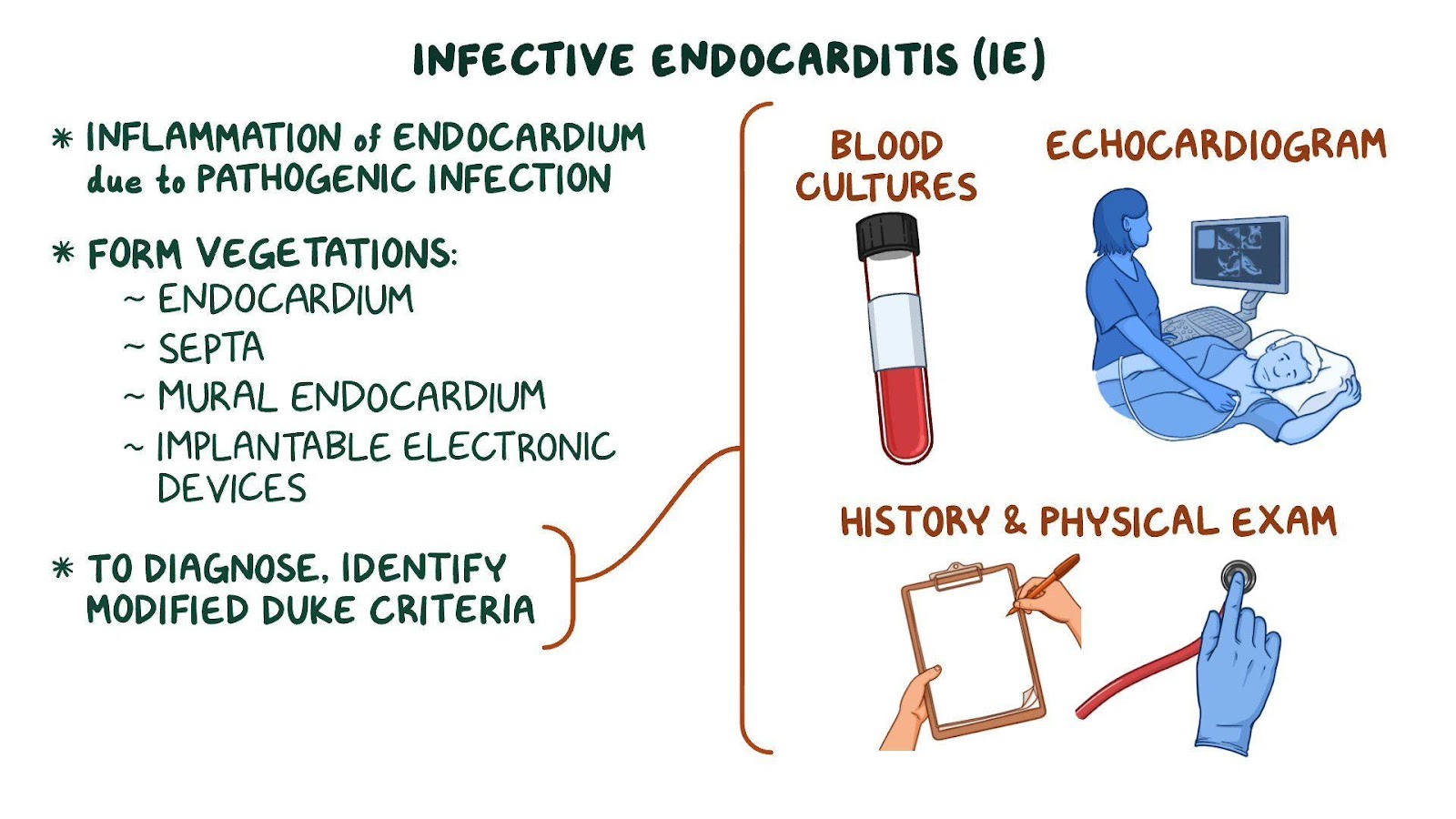
Choice A reason: This is an incorrect statement, because the client should avoid any body piercings, tattoos, or other procedures that can cause skin or mucosal trauma and increase the risk of bacterial infection and endocarditis. The client should also seek medical attention if they have a fever or other signs of infection.
Choice B reason: This is a correct statement, because the client should notify their doctor before they have dental procedures, such as cleaning, filling, or extraction, that can cause bleeding and introduce bacteria into the bloodstream. The client may need prophylactic antibiotics to prevent endocarditis.
Choice C reason: This is a partially correct statement, because the client should floss their teeth twice a day as a part of their oral care, but this is not enough to prevent recurrence of endocarditis. The client should also brush their teeth with a soft toothbrush after each meal, use an antiseptic mouthwash, and visit their dentist regularly.
Choice D reason: This is an unnecessary statement, because the client does not need to wear a mask when they go out in public, unless they have a respiratory infection or are exposed to someone who has one. Endocarditis is not transmitted by airborne or droplet routes, but by direct contact with the infected heart valves or blood.
Correct Answer is D
Explanation
Choice A reason: This is an important action, but not the first one. The nurse should first address the client's comfort and inflammation before teaching them how to use the eye drops.
Choice B reason:Option B (warm compresses)is a key intervention for blepharitis to improve meibomian gland function and reduce crusting. However, assessment (Option D) must precede treatment to ensure no contraindications (e.g., corneal abrasion) and tailor care appropriately.
Choice C reason: This is a helpful action, but not the first one. The nurse should first apply warm compresses to the affected eye, and then dim the lights to reduce the sensitivity and pain.
Choice D reason:Thefirst stepin the nursing process isassessment. Even with a diagnosis of blepharitis, the nurse mustinspect the eyesto evaluate the current severity, presence of drainage (e.g., purulent vs. serous), redness, or signs of secondary infection (e.g., bacterial involvement). This informs subsequent interventions.
Whether you are a student looking to ace your exams or a practicing nurse seeking to enhance your expertise , our nursing education contents will empower you with the confidence and competence to make a difference in the lives of patients and become a respected leader in the healthcare field.
Visit Naxlex, invest in your future and unlock endless possibilities with our unparalleled nursing education contents today