
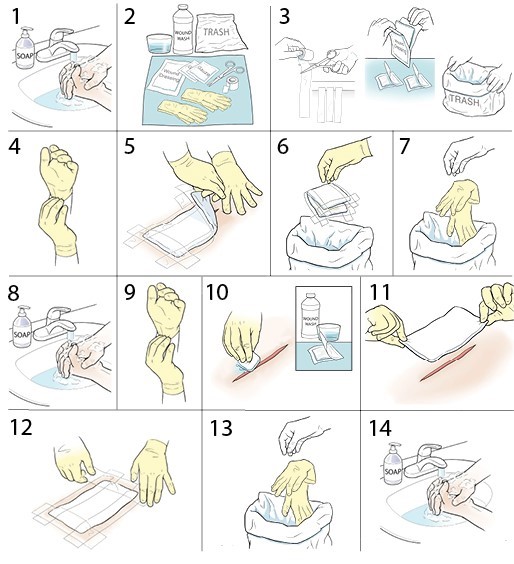
A nurse is preparing to perform a wet-to-dry dressing change for a client who has an infected abdominal wound.
Which of the following techniques should the nurse use when performing this dressing change?
Remove the tape by pulling from the center of the dressing
Wear sterile gloves to remove the dressing
Clean the wound from the center to the outer edges
Moisten the dressing before removal
The Correct Answer is C
When removing the dressing and cleaning the wound, it is important to start from the center of the wound and work towards the outer edges. This technique helps prevent contamination of the wound by minimizing the risk of dragging bacteria or debris from the surrounding skin into the wound.
The other options listed are not recommended for this specific procedure:
When removing the tape, it is generally recommended to pull it parallel to the skin surface rather than pulling from the center of the dressing. This technique reduces the risk of causing trauma or disrupting the wound.
While it is important to maintain aseptic technique during dressing changes, wearing sterile gloves is not necessary for a wet-to-dry dressing change. Clean, non-sterile gloves are typically sufficient for this procedure, as the dressing material itself is not sterile.
In a wet-to-dry dressing change, the dressing is typically applied moist and allowed to dry over time. Therefore, moistening the dressing before removal is not necessary. The primary goal is to remove the dry dressing, which may adhere to the wound bed, and then clean the wound before applying a fresh dressing.
Nursing Test Bank
Naxlex Comprehensive Predictor Exams
Related Questions
Correct Answer is B
Explanation
Explanation
B. Instruct the client to change positions frequently
Encouraging the client to move around, walk, change positions during labour can help relieve discomfort, promote optimal fetal positioning positions, or use a birthing ball can help alleviate pelvic pain and potentially facilitate the progress of labour.
Applying fundal pressure during contractions in (option A) is not necessary during the latent stage of labour. Fundal pressure is typically used in the active stage of labour to assist with the descent and positioning of the baby's head.
Telling the client to push during contractions in (option C) is not appropriate during the latent stage of labour. Pushing is typically reserved for the second stage of labour when the cervix is fully dilated.
Encouraging the client to soak in a hot bath in (option D) is not recommended during labour, particularly in the hospital setting. Immersion in hot water (e.g., a hot bath) can increase the risk of infection and is generally not recommended until after the birth of the baby
Correct Answer is B
Explanation
The AIMS is specifically designed to assess for the presence and severity of abnormal involuntary movements, which can be a side effect of long-term antipsychotic medication use, including tardive dyskinesia. It consists of a series of standardized movements and observations that assess different body regions for abnormal movements. The nurse can use this tool to monitor the client's movements and identify any signs of tardive dyskinesia.
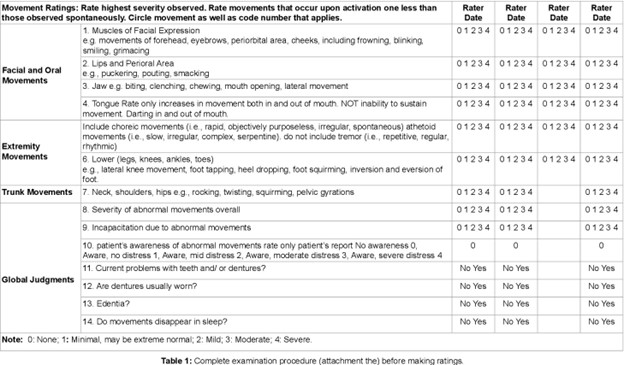
Mental Status Examination (MSE): The MSE is a comprehensive assessment of a client's mental status, including their cognition, mood, and thought processes. While the MSE is an important tool in assessing overall mental health, it is not specific to tardive dyskinesia. Patient Health Questionnaire-9 (PHQ-9): The PHQ-9 is a screening tool for depression that assesses the severity of depressive symptoms. While depression can be a comorbidity in individuals with schizophrenia, the PHQ-9 does not directly assess for tardive dyskinesia. Brief Psychiatric Rating Scale (BPRS): The BPRS is a rating scale used to assess the severity of psychiatric symptoms in individuals with mental disorders. While it is useful in evaluating overall symptomatology in schizophrenia, it does not specifically target tardive dyskinesia.
Whether you are a student looking to ace your exams or a practicing nurse seeking to enhance your expertise , our nursing education contents will empower you with the confidence and competence to make a difference in the lives of patients and become a respected leader in the healthcare field.
Visit Naxlex, invest in your future and unlock endless possibilities with our unparalleled nursing education contents today