
A nurse is collecting data for a client who is receiving enteral tube feedings. The nurse should identify that which of the following findings is a manifestation of fluid overload?
Weight loss
Decreased blood pressure
Crackles heard in the lungs
Decreased skin turgor
The Correct Answer is C
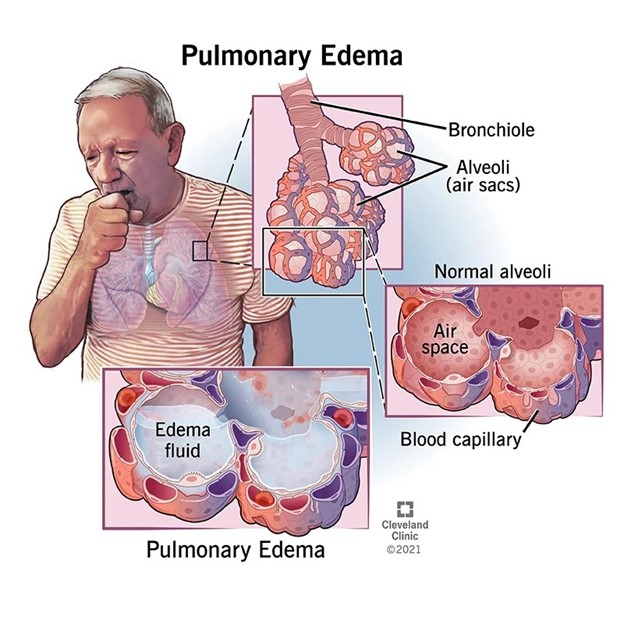
Fluid overload refers to an excess volume of fluid in the body, which can occur as a result of various factors, including excessive fluid intake or inadequate fluid removal. Crackles heard in the lungs, also known as rales, can indicate fluid accumulation in the lungs, a condition known as pulmonary edema. It is a common manifestation of fluid overload and can be detected through auscultation of the lungs.
Weight loss is typically associated with inadequate calorie or nutrient intake, rather than fluid overload.
Weight loss is typically associated with inadequate calorie or nutrient intake, rather than fluid overload.
Weight loss is typically associated with inadequate calorie or nutrient intake, rather than fluid overload.
Nursing Test Bank
Naxlex Comprehensive Predictor Exams
Related Questions
Correct Answer is A
Explanation
An incident report is a tool used to document any unexpected or adverse event that occurs in the healthcare setting. It is important to report incidents to ensure proper investigation, analysis, and implementation of measures to prevent future occurrences.
In this example, the incident involves an error with an electronic IV pump resulting in the delivery of an incorrect amount of fluid, which can have serious implications for the client's safety and well-being.
The other examples listed may require further actions but may not necessarily require an incident report:
- A nurse discovers that a client's family member has administered a PCA dose: While it is concerning that a client's family member administered a patient-controlled analgesia (PCA) dose, it is more appropriate to address this situation through immediate intervention, education, and communication with the healthcare provider. An incident report may not be necessary unless there are further complications or system issues related to this incident.
- A nurse observes another nurse remove wrist restraints one at a time from a client who is currently calm: While the observation of improper restraint removal raises concerns about proper restraint protocol, it is more appropriate to address this situation through immediate intervention and communication with the involved nurse and healthcare provider. Depending on the severity of the situation, an incident report may or may not be warranted, but it is not the primary action in this case.
- A nurse observes a client vomiting after receiving an oral pain medication: While it is important to assess and address the client's condition and any adverse reactions, such as vomiting after receiving medication, it may not necessarily require an incident report. The nurse should assess the client, notify the healthcare provider, and document the incident appropriately in the client's medical record.
Correct Answer is C
Explanation
Assessing the client's suicidal intent and the presence of a specific plan for self-harm is crucial in determining the level of immediate risk and the need for intervention. This question directly addresses the client's current state and potential danger.
While all the questions are important in assessing the client's situation, determining the presence of a plan for self-harm takes precedence as it helps evaluate the level of imminent danger and the need for immediate intervention.
The other questions are also important but can be addressed after ensuring the client's safety and appropriate intervention based on the information gathered regarding the plan for self-harm. These questions can provide additional information to further assess the client's support system, history, and current stressors, which can contribute to understanding the context and potential risk factors for the client.
Remember, if the client expresses an immediate plan and intent for self-harm, it is essential to take appropriate steps to ensure their safety, such as involving the appropriate mental health professionals, implementing a safety plan, and providing constant supervision as needed.
Whether you are a student looking to ace your exams or a practicing nurse seeking to enhance your expertise , our nursing education contents will empower you with the confidence and competence to make a difference in the lives of patients and become a respected leader in the healthcare field.
Visit Naxlex, invest in your future and unlock endless possibilities with our unparalleled nursing education contents today