
A nurse is providing teaching about food choices to a client who has a new prescription for tranylcypromine. Which of the following foods should the nurse identify as an acceptable choice while the client is taking this medication?
Fried chicken
Salami
Smoked salmon
Cheddar cheese
The Correct Answer is A
Choice A reason: Fried chicken is an acceptable choice for a client who is taking tranylcypromine, a monoamine oxidase inhibitor (MAOI). MAOIs can cause a hypertensive crisis if the client consumes foods that are high in tyramine, such as aged cheeses, cured meats, smoked fish, and fermented products. Fried chicken does not contain tyramine and is safe to eat.
Choice B reason: Salami is not an acceptable choice for a client who is taking tranylcypromine, as it is a cured meat that is high in tyramine. The nurse should advise the client to avoid salami and other similar foods, such as pepperoni, ham, bacon, and sausage.
Choice C reason: Smoked salmon is not an acceptable choice for a client who is taking tranylcypromine, as it is a smoked fish that is high in tyramine. The nurse should advise the client to avoid smoked salmon and other similar foods, such as herring, anchovies, and caviar.
Choice D reason: Cheddar cheese is not an acceptable choice for a client who is taking tranylcypromine, as it is an aged cheese that is high in tyramine. The nurse should advise the client to avoid cheddar cheese and other similar foods, such as blue cheese, Swiss cheese, and Parmesan cheese.
Nursing Test Bank
Naxlex Comprehensive Predictor Exams
Related Questions
Correct Answer is B
Explanation
Choice A reason: Flossing dentures is not necessary, as dentures do not have spaces between the teeth where plaque and food particles can accumulate. Flossing dentures may damage the denture material or cause it to loosen.
Choice B reason: Dentures should be cleaned with a soft material to prevent scratches or damage. A washcloth is gentle enough to clean the denture surfaces without causing harm.
Choice C reason: Wiping dentures before storing them in a dry container at night is not advisable, as it may cause the dentures to crack or warp. Dentures should be soaked in water or a denture cleanser solution overnight to keep them moist and prevent them from losing their shape.
Choice D reason: Wrapping gloved fingers with gauze to remove dentures is not a standard practice. Dentures should be removed carefully by rocking them slightly to break the seal with the gums. Using gauze is unnecessary and may not be as effective or safe for the dentures or the oral tissues.
Correct Answer is B
Explanation
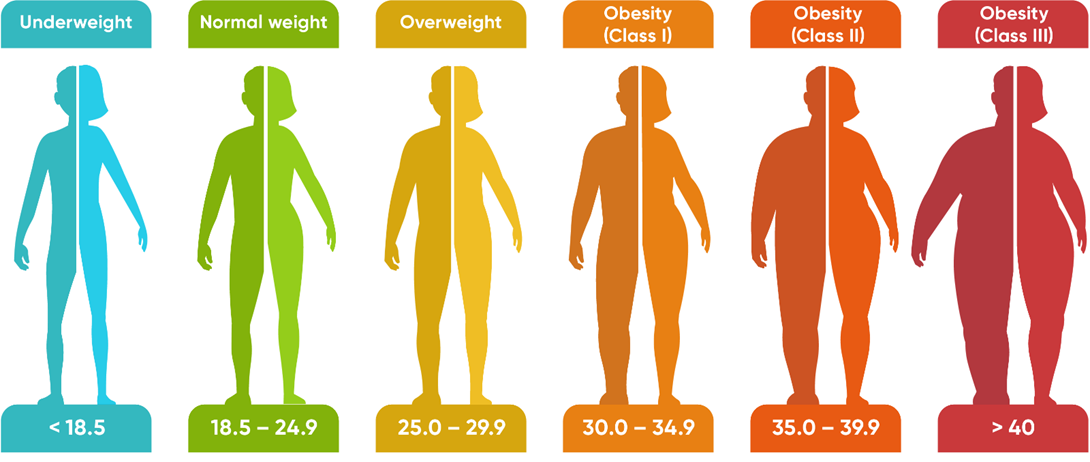
Choice A reason: Weight gain of 0.45 kg (1 lb) per week is not within the expected reference range for a client who is in the second trimester of pregnancy and has a normal BMI. The recommended weight gain for this client is 0.35 to 0.5 kg (0.8 to 1 lb) per week.
Choice B reason: Intake of 200 extra calories per day is within the expected reference range for a client who is in the second trimester of pregnancy and has a normal BMI. The recommended caloric intake for this client is 2200 to 2900 calories per day, which is about 340 to 450 calories more than the pre-pregnancy intake.
Choice C reason: Intake of 100 extra calories per day is not within the expected reference range for a client who is in the second trimester of pregnancy and has a normal BMI. The recommended caloric intake for this client is 2200 to 2900 calories per day, which is about 340 to 450 calories more than the pre-pregnancy intake.
Choice D reason: Weight gain of 0.91 kg (2 lb) per week is not within the expected reference range for a client who is in the second trimester of pregnancy and has a normal BMI. The recommended weight gain for this client is 0.35 to 0.5 kg (0.8 to 1 lb) per week.
Whether you are a student looking to ace your exams or a practicing nurse seeking to enhance your expertise , our nursing education contents will empower you with the confidence and competence to make a difference in the lives of patients and become a respected leader in the healthcare field.
Visit Naxlex, invest in your future and unlock endless possibilities with our unparalleled nursing education contents today