
A nurse is providing teaching to a postpartum client who has a prescription for a rubella immunization.
Which of the following client statements indicates understanding of the teaching?
"I will receive a series of three immunizations and each one will be a month apart.”
"I will report joint pain that develops after the immunization to my provider immediately.”
"I should avoid becoming pregnant for at least 1 month following the immunization.”
"I should avoid breastfeeding for 2 weeks following the immunization.”
The Correct Answer is C
Rubella vaccine is a live atenuated vaccine and women should avoid pregnancy for at least 28 days after receiving the vaccine.
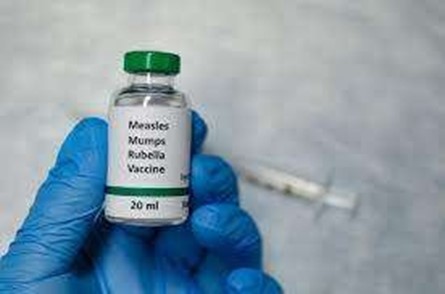
Choice A is incorrect because the rubella vaccine is given as a single dose, not a series of three immunizations.
Choice B is incorrect because joint pain is a common side effect of the rubella vaccine and does not need to be reported immediately to the provider.
Choice D is incorrect because breastfeeding is not contraindicated following rubella immunization.
Nursing Test Bank
Naxlex Comprehensive Predictor Exams
Related Questions
Correct Answer is B
Explanation
The nurse should report a fundal height of 38 cm to the provider.
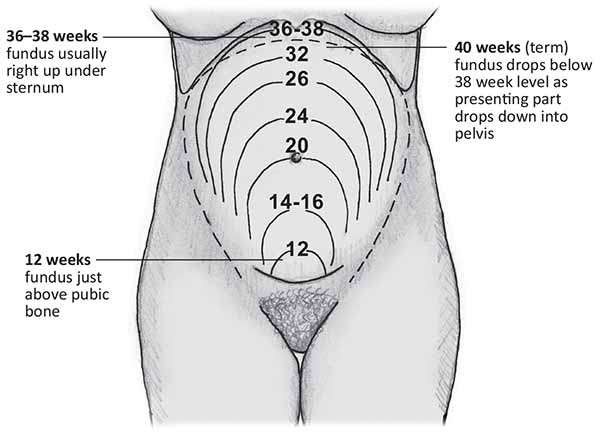
Fundal height is measured from the top of the pubic bone to the top of the uterus and is used to assess fetal growth.
A fundal height measurement that is larger than expected for gestational age may indicate macrosomia, which is a common complication of gestational diabetes mellitus.
Choice A is incorrect because non-pitting pedal edema is common during late pregnancy and is usually caused by physiologic edema resulting from hormone- induced sodium retention.
Choice C is incorrect because 12 fetal movements in an hour are within normal
range.
Choice D is incorrect because a fasting blood glucose level of 90 mg/dL is within normal range for a pregnant woman with gestational diabetes mellitus.
Correct Answer is D
Explanation
A nurse caring for a client who is receiving prenatal care and is at her 24-week appointment should plan to conduct a one-hour glucose tolerance test.
This test is done to screen for gestational diabetes that can develop during pregnancy.
Choice A, Group B strep culture, is not an answer because it is a test usually done between 35-37 weeks of pregnancy to check for the presence of Group B streptococcus bacteria.
Choice B, Rubella titer, is not an answer because it is a blood test usually done early in pregnancy to check for immunity to rubella.
Choice C, Blood type and Rh, is not an answer because it is a blood test usually done early in pregnancy to determine the mother’s blood type and Rh factor.
Whether you are a student looking to ace your exams or a practicing nurse seeking to enhance your expertise , our nursing education contents will empower you with the confidence and competence to make a difference in the lives of patients and become a respected leader in the healthcare field.
Visit Naxlex, invest in your future and unlock endless possibilities with our unparalleled nursing education contents today