
A nurse is receiving change-of-shift report on four clients. Which of the following clients should the nurse plan to see first?
A client who has cirrhosis and severe pruritus
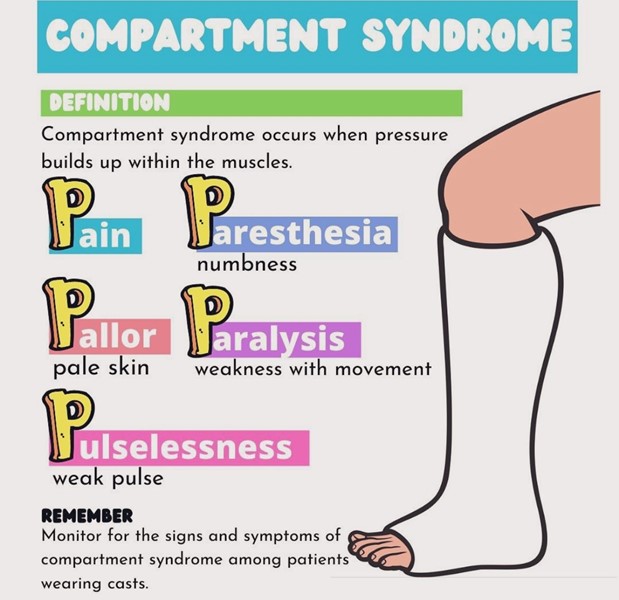
A client who has a femur fracture and reports numbness of the toes
A client who had a renal biopsy 3 hr ago and has pink-tinged urine
A client who had a laparoscopic appendectomy 8 hr ago and is awaiting discharge
The Correct Answer is B
Numbness of the toes following a femur fracture can indicate potential nerve compromise or damage, which requires immediate attention. Nerve compression or injury can lead to long-term complications if not addressed promptly. It is important for the nurse to assess the client's neurovascular status, including circulation, sensation, and movement, to determine if there is any compromise to the affected limb.
A client with cirrhosis and severe pruritus can be seen next, as pruritus can significantly affect the client's comfort and quality of life. However, it is not immediately life-threatening.
A client who had a renal biopsy 3 hours ago and has pink-tinged urine should be assessed, but this finding is expected after a renal biopsy. The nurse should ensure that the client is monitored for any signs of bleeding or complications, but it may not require immediate attention unless the bleeding worsens or other concerning symptoms arise.
A client who had a laparoscopic appendectomy 8 hours ago and is awaiting discharge can be seen last, as long as there are no complications or signs of postoperative issues. The nurse should ensure that the client is stable, comfortable, and meeting the necessary criteria for discharge.
Nursing Test Bank
Naxlex Comprehensive Predictor Exams
Related Questions
Correct Answer is C
Explanation
When caring for a client with paranoid schizophrenia who has delusions or beliefs that are not based in reality, it is important to respond in a therapeutic and empathetic manner. Acknowledging the client's fear and validating their experience can help establish trust and promote open communication.
The response "This must be very frightening for you. Let's talk more about it" demonstrates empathy and a willingness to engage in further discussion, allowing the client to express their concerns and facilitating a therapeutic relationship.
Correct Answer is D
Explanation
The cervical cap should be left in place for a minimum of 6 hours after intercourse but should not exceed a total of 48 hours of continuous use. Leaving it in place for longer periods may increase the risk of toxic shock syndrome (TSS) and other potential complications. Using a cervical cap in combination with a spermicide is the recommended practice for maximizing its effectiveness. Spermicide helps immobilize or kill sperm, providing an additional barrier against pregnancy when used with the cervical cap.
Using the cervical cap during the menstrual cycle is not a recommended practice for contraception. The cervical cap is primarily used during sexual activity as a barrier method of contraception and is not specifically designed for use during menstruation.
While it is important for the provider to initially fit and size the cervical cap for the client, routine checks every 6 months are not necessary. However, it is still important for the client to regularly inspect the cap for any signs of damage or deterioration and replace it as needed.

Whether you are a student looking to ace your exams or a practicing nurse seeking to enhance your expertise , our nursing education contents will empower you with the confidence and competence to make a difference in the lives of patients and become a respected leader in the healthcare field.
Visit Naxlex, invest in your future and unlock endless possibilities with our unparalleled nursing education contents today