
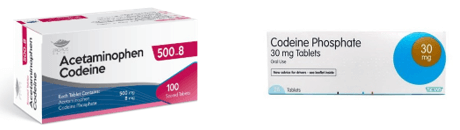
A nurse is caring for a client who has a prescription for acetaminophen 300 mg with codeine 30 mg, 1 tablet every 3 to 4 hours PRN for pain.
The nurse inadvertently administers 2 tablets to the client. In which of the following locations should the nurse document this alert care incident?
Incident report
Nursing care plan
Controlled substance inventory record
Provider's progress notes
The Correct Answer is A
a. Incident report.
Whenever a medication error occurs, it should be documented in an incident report. The purpose of the incident report is to document the details of the event, including what happened, why it happened, and what was done to prevent it from happening again. Incident reports are not part of the client's medical record and are not used for disciplinary action. They are used for quality improvement and risk management purposes.
The nursing care plan is a document that outlines the client's nursing care needs and interventions. It is not the appropriate place to document a medication error.
The controlled substance inventory record is used to document the administration and dispensing of controlled substances. It is not the appropriate place to document a medication error.
The provider's progress notes document the provider's assessment, diagnosis, and treatment plan for the client. They are not the appropriate place to document a medication error.

Nursing Test Bank
Naxlex Comprehensive Predictor Exams
Related Questions
Correct Answer is B
Explanation
Numbness of the toes in a client with a femur fracture may indicate neurovascular compromise, which requires immediate attention.
It could be a sign of impaired circulation or nerve damage, and prompt assessment is needed to prevent further complications or permanent damage.
Correct Answer is D
Explanation
A.Using hydrogen peroxide for wound cleaning is not recommended as it can cause tissue damage and delay healing.
B.Burn dressings should typically be changed more frequently, often at least once per day, depending on the type and severity of the burn and the type of dressing used.Delaying dressing changes could increase the risk of infection.
C.In wound care, the nurse should cleanse the least contaminated wounds first to prevent spreading microorganisms from more contaminated areas to cleaner areas. This reduces the risk of cross-contamination and infection. For burns, starting with the cleanest areas ensures a safer wound management process.
D.Applying dressings with sterile gloves is essential to maintain a sterile environment and reduce the risk of infection, especially in clients with burns who are at high risk for infection due to compromised skin integrity.
Whether you are a student looking to ace your exams or a practicing nurse seeking to enhance your expertise , our nursing education contents will empower you with the confidence and competence to make a difference in the lives of patients and become a respected leader in the healthcare field.
Visit Naxlex, invest in your future and unlock endless possibilities with our unparalleled nursing education contents today