
A nurse is reinforcing discharge teaching with a male client who has an indwelling urinary catheter. Which of the following statements by the client indicates an understanding of the teaching?
"I will clamp the tube when I go for a walk."
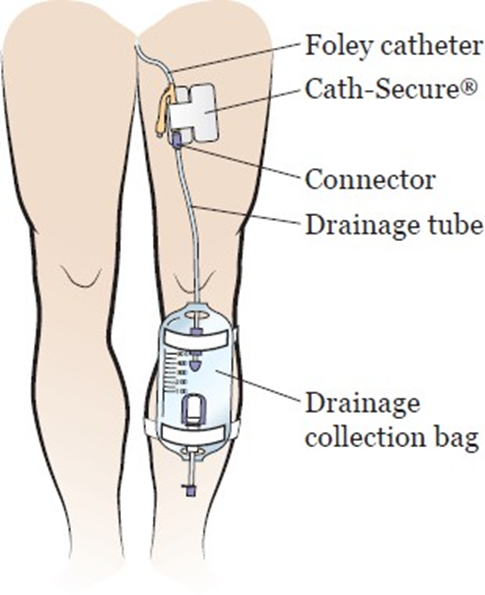
"I will keep the drainage bag below the level of my waist."
"I will empty my drainage bag once a day."
"I will apply antiseptic ointment to the tip of my penis."
The Correct Answer is B
Rationale:
A. Clamping the tube when going for a walk is not recommended because it can cause urine to back up into the bladder.
B. Keeping the drainage bag below the level of the waist is recommended to prevent reflux of urine and reduce the risk of infection.
C. Emptying the drainage bag once a day may not be frequent enough to prevent urinary stasis and infection.
D. Applying antiseptic ointment to the tip of the penis is not recommended because it can cause irritation and discomfort.
Nursing Test Bank
Naxlex Comprehensive Predictor Exams
Related Questions
Correct Answer is C
Explanation
A. Applying lidocaine gel to the urethra may provide additional lubrication but does not address the immediate issue of resistance during catheter insertion.
B. Inflating the catheter's balloon is inappropriate at this stage, as the catheter is not properly positioned for urine flow, and doing so could cause injury.
C. Lowering the penis to a 45° angle helps to straighten the urethra and can facilitate easier passage of the catheter, making it the most appropriate action.
D. Twisting the catheter gently is not recommended, as this may cause trauma to the urethra or increase discomfort without resolving the resistance issue.
Correct Answer is C
Explanation
Rationale:
A. Providing the client with three large meals each day may be overwhelming and may not promote an increase in food intake.
B. Limiting snacks between meals may not promote an increase in food intake and may contribute to malnutrition.
C. Providing the client with finger foods for meals is a practical approach that can promote an increase in food intake and reduce the risk of malnutrition.
D. Restricting visitors during meals may not promote an increase in food intake and may contribute to social isolation.
Whether you are a student looking to ace your exams or a practicing nurse seeking to enhance your expertise , our nursing education contents will empower you with the confidence and competence to make a difference in the lives of patients and become a respected leader in the healthcare field.
Visit Naxlex, invest in your future and unlock endless possibilities with our unparalleled nursing education contents today