
A nurse is reinforcing teaching about TNM staging with a client who has cancer. Which of the following information should the nurse include in the teaching?
N0 indicates presence of regional lymph node involvement.
TIS indicates that a tumor has been resolved.
T4 indicates a tumor at its smallest size.
M1 indicates tumor metastasis to a single site.
The Correct Answer is D
Choice A Reason: N0 does not indicate presence of regional lymph node involvement, but absence of it. N1 to N3 indicate increasing degrees of regional lymph node involvement.
Choice B Reason: TIS does not indicate that a tumor has been resolved, but that it is in situ, meaning that it is confined to the original site and has not invaded deeper tissues.
Choice C Reason: T4 does not indicate a tumor at its smallest size, but at its largest size. T1 to T4 indicate increasing sizes or extents of the primary tumor.
Choice D Reason: M1 indicates tumor metastasis to a single site, meaning that the cancer has spread to another organ or distant lymph node. M0 indicates no distant metastasis.
Nursing Test Bank
Naxlex Comprehensive Predictor Exams
Related Questions
Correct Answer is C
Explanation
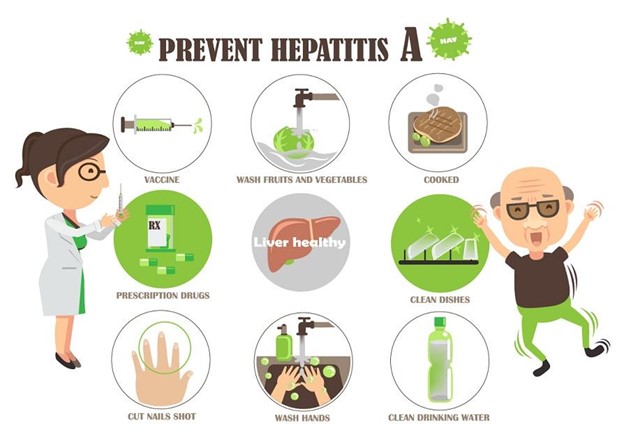
Choice A Reason: Sharing personal hygiene items like razors is not a common way of spreading hepatitis A, but it may transmit hepatitis B or C, which are blood-borne infections.
Choice B Reason: Unprotected sexual activity is not a common way of spreading hepatitis A, but it may transmit hepatitis B or C, or other sexually transmitted infections.
Choice C Reason: Eating uncooked foods is a common way of spreading hepatitis A, as the virus can contaminate food or water that has been exposed to fecal matter from an infected person.
Choice D Reason: Getting a tattoo is not a common way of spreading hepatitis A, but it may transmit hepatitis B or C, or other blood-borne infections, if the equipment is not properly sterilized.
Correct Answer is C
Explanation
Choice A Reason: If I feel nervous or have tremors, I should not only take half the dose, but I should contact my healthcare provider, as these may indicate signs of overdose or hyperthyroidism.
Choice B Reason: I cannot expect diarrhea, insomnia, and excessive sweating, but these are possible side effects of overdose or hyperthyroidism.
Choice C Reason: I need to call my healthcare provider if my heart rate becomes fast, as this may indicate a serious adverse reaction or overdose of levothyroxine sodium.
Choice D Reason: I should not take the medication in the evening, but in the morning on an empty stomach at least 30 minutes before breakfast, as this ensures better absorption and prevents insomnia.
Whether you are a student looking to ace your exams or a practicing nurse seeking to enhance your expertise , our nursing education contents will empower you with the confidence and competence to make a difference in the lives of patients and become a respected leader in the healthcare field.
Visit Naxlex, invest in your future and unlock endless possibilities with our unparalleled nursing education contents today