
When evaluating a client how to administer insulin, which action indicates that additional teaching is necessary?
Checks blood sugar then eats breakfast prior to injecting insulin.
Rotates sites from arms, legs, and abdomen.
Ensures the use of insulin syringe with units.
Activates the safety lock on the syringe before disposing in a sharps container.
The Correct Answer is A
Choice A Reason: Checking blood sugar then eating breakfast prior to injecting insulin indicates that additional teaching is necessary, as it may cause hyperglycemia or hypoglycemia depending on the type and timing of insulin. The client should inject insulin before eating breakfast according to their blood sugar level and carbohydrate intake.
Choice B Reason: Rotating sites from arms, legs, and abdomen indicates that no additional teaching is necessary, as it helps to prevent lipodystrophy and ensure consistent absorption of insulin.
Choice C Reason: Ensuring the use of insulin syringe with units indicates that no additional teaching is necessary, as it helps to prevent dosing errors and ensure accurate administration of insulin.
Choice D Reason: Activating the safety lock on the syringe before disposing in a sharps container indicates that no additional teaching is necessary, as it helps to prevent needlestick injuries and infection transmission.
Nursing Test Bank
Naxlex Comprehensive Predictor Exams
Related Questions
Correct Answer is A
Explanation
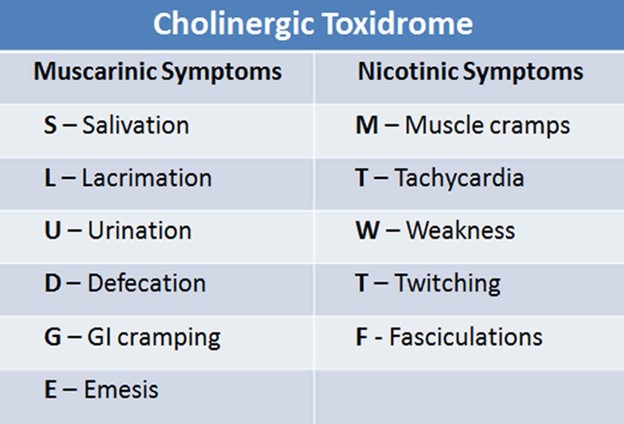
Choice A Reason: Atropine sulfate is the medication that the nurse should ensure is available to treat cholinergic crisis, as it blocks the effects of acetylcholine and reverses the symptoms of excessive parasympathetic stimulation.
Choice B Reason: Pyridostigmine bromide (Mestinon) is not the medication that the nurse should ensure is available to treat cholinergic crisis, but it is used to treat myasthenia gravis by increasing acetylcholine levels and improving muscle strength.
Choice C Reason: Protamine sulfate is not the medication that the nurse should ensure is available to treat cholinergic crisis, but it is used to reverse the effects of heparin and prevent bleeding.
Choice D Reason: Acetylcysteine (Mucomyst) is not the medication that the nurse should ensure is available to treat cholinergic crisis, but it is used to treat acetaminophen overdose and prevent liver damage.
Correct Answer is A
Explanation
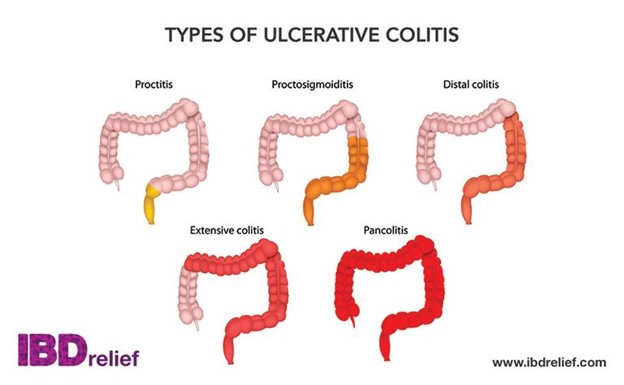
Choice A Reason: Managing diarrhea is the priority goal for the client's care, as it helps to prevent dehydration, electrolyte imbalance, malnutrition, and infection.
Choice B Reason: Promoting rest and comfort is an important goal for the client's care, but it is not the priority, as it does not address the underlying cause of the exacerbation.
Choice C Reason: Increasing self-esteem is a long-term goal for the client's care, but it is not the priority, as it does not affect the physical condition of the client.
Choice D Reason: Promoting self-care and independence is a long-term goal for the client's care, but it is not the priority, as it does not affect the acute symptoms of the exacerbation.
Whether you are a student looking to ace your exams or a practicing nurse seeking to enhance your expertise , our nursing education contents will empower you with the confidence and competence to make a difference in the lives of patients and become a respected leader in the healthcare field.
Visit Naxlex, invest in your future and unlock endless possibilities with our unparalleled nursing education contents today